
Keyword(s): Dive Lights – Gear Comparisons
Have you ever had a dive buddy forget their light, borrow your backup, and—poof—it’s gone forever? Yeah, me too. In my case, it was my daughter (excuse me, “dive buddy”) who somehow misplaced my trusty Dive Rite BX2 with the new QRM mounts. Thinking back, I should’ve given her my Goodman soft mount glove while I was at it. What do they say…hindsight is 20/20?
Since she’s 14 and just starting to build her own gear setup, I figured it was the perfect time to take stock of what’s out there. And holy cow—there are more dive lights on the market than ever before. Brands I’ve never heard of, endless specs, lumens, batteries, charging quirks… it’s enough to make your mask fog.
So instead of getting lost in the dark (pun intended), I pulled together a head-to-head comparison of today’s leading dive lights. Measured across 8 key factors—from brightness and runtime to safety and value—this guide will help you cut through the noise, find the light that fits your diving style, and avoid buying gear that’ll end up collecting dust. I hope you will like our article, “The Ultimate 2025 Scuba Dive Light Comparison: 8 Key Factors.”
🎯 Bottom Line Up Front

Best Balanced
Featured Line-Up
⏱️ A Quick Rundown
-
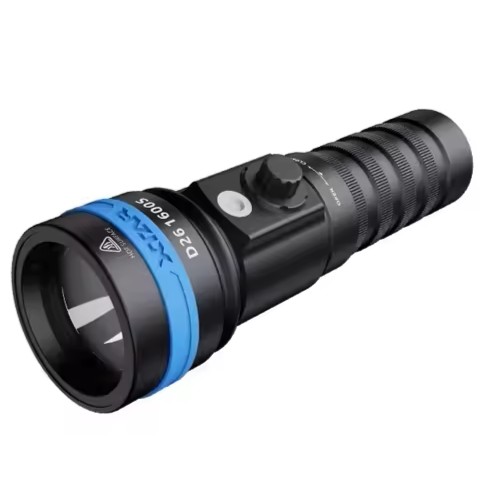
OrcaTorch D710 — Power primary/backup. ~3,000 lm, 6° – 47° nonadjustable beam, ~90–100 min high, burn time, 21700 USB-C rechargeable battery, 150 m depth, electric lock/overheat protections.
-
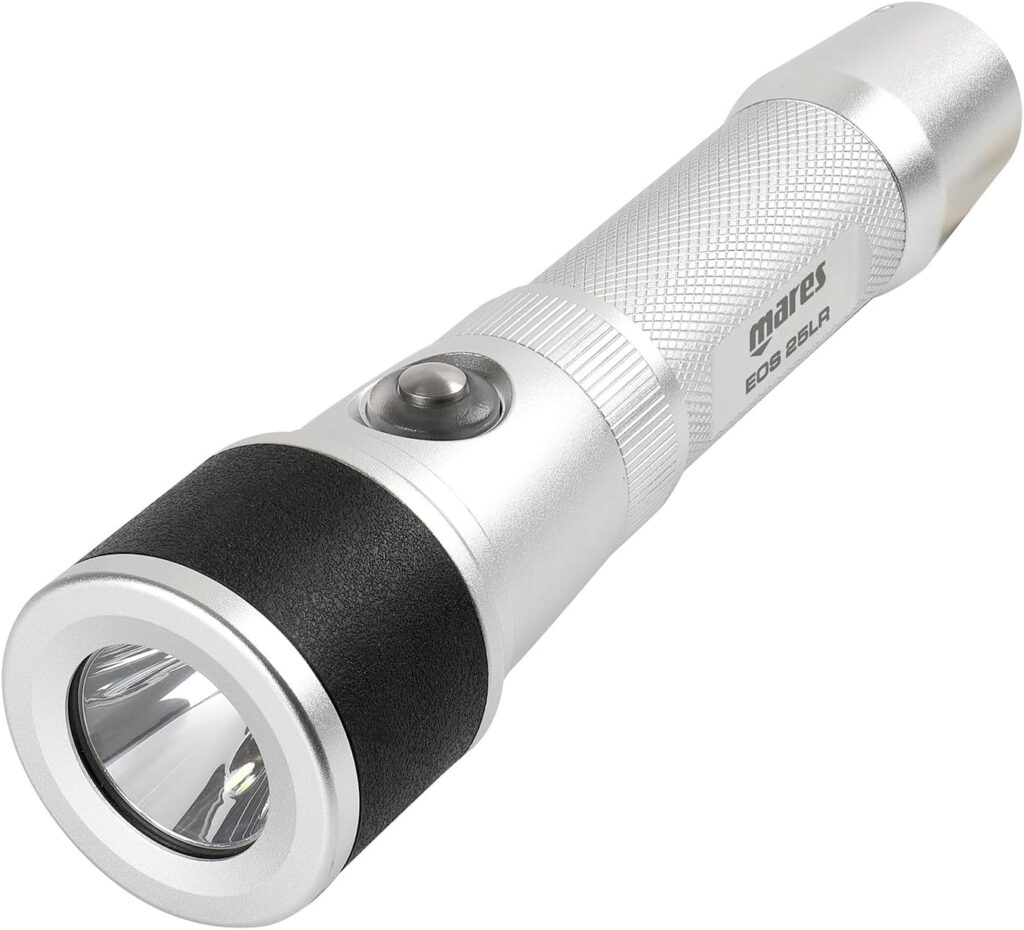
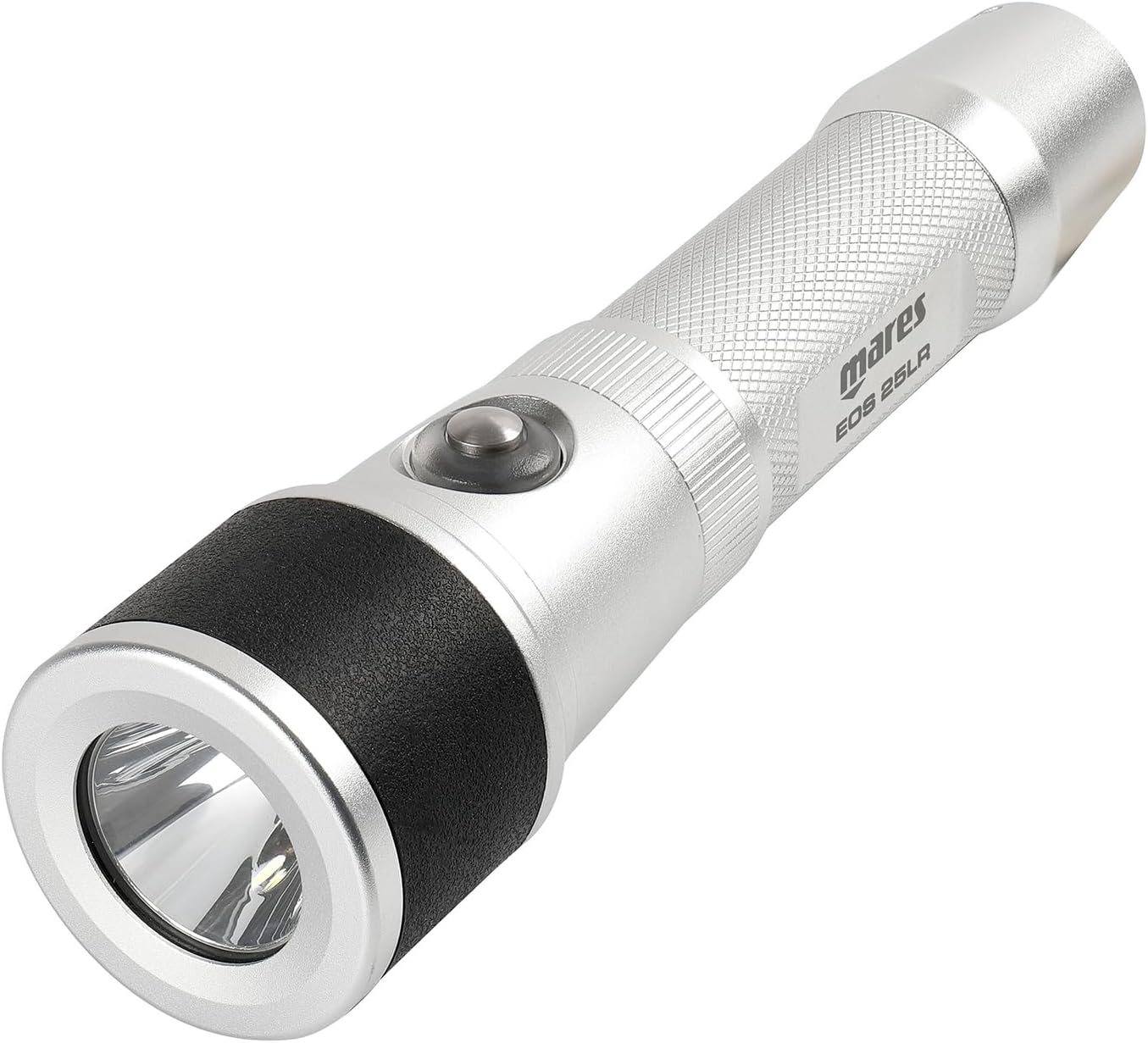
Mares EOS 25LR Laser — Power backup. 2,500 lm, hot spot 15° beam with laser pointer, electronic lock, ~75 min max burn time.
-
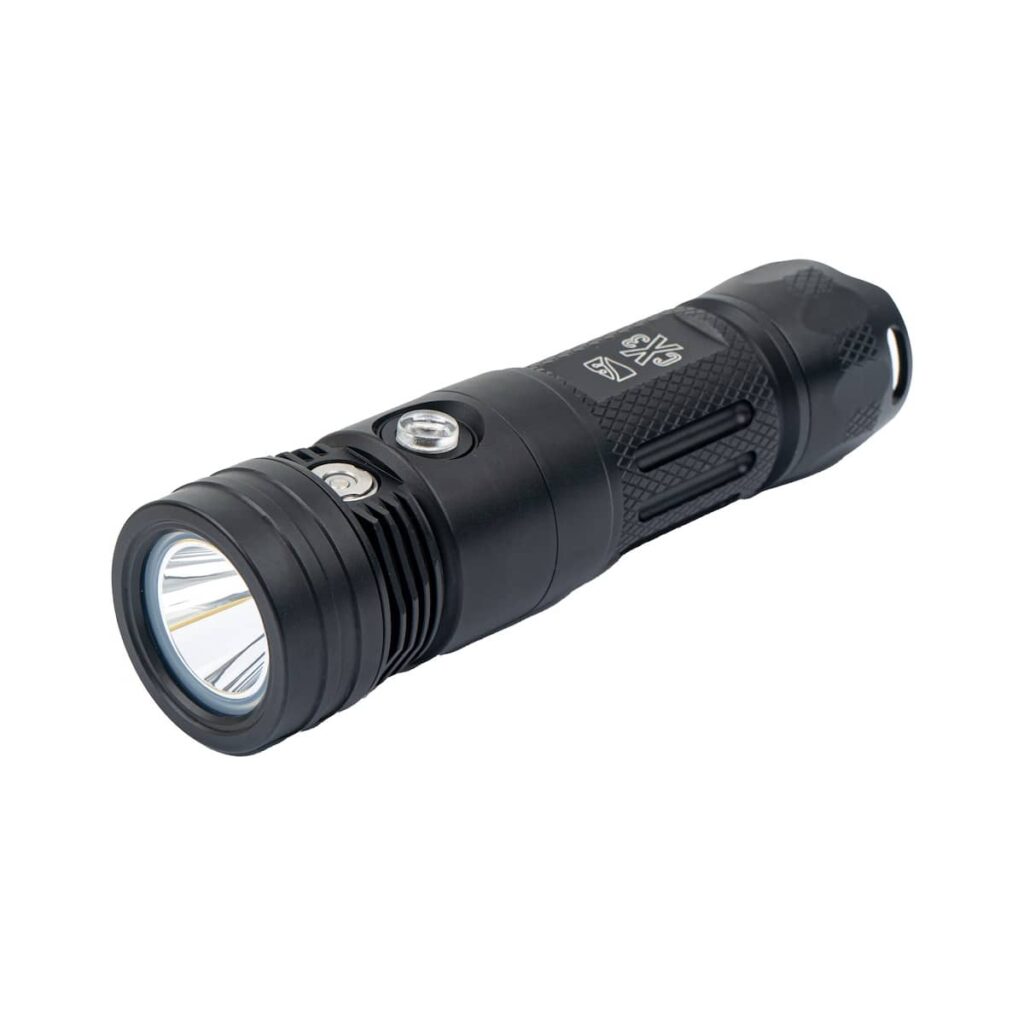
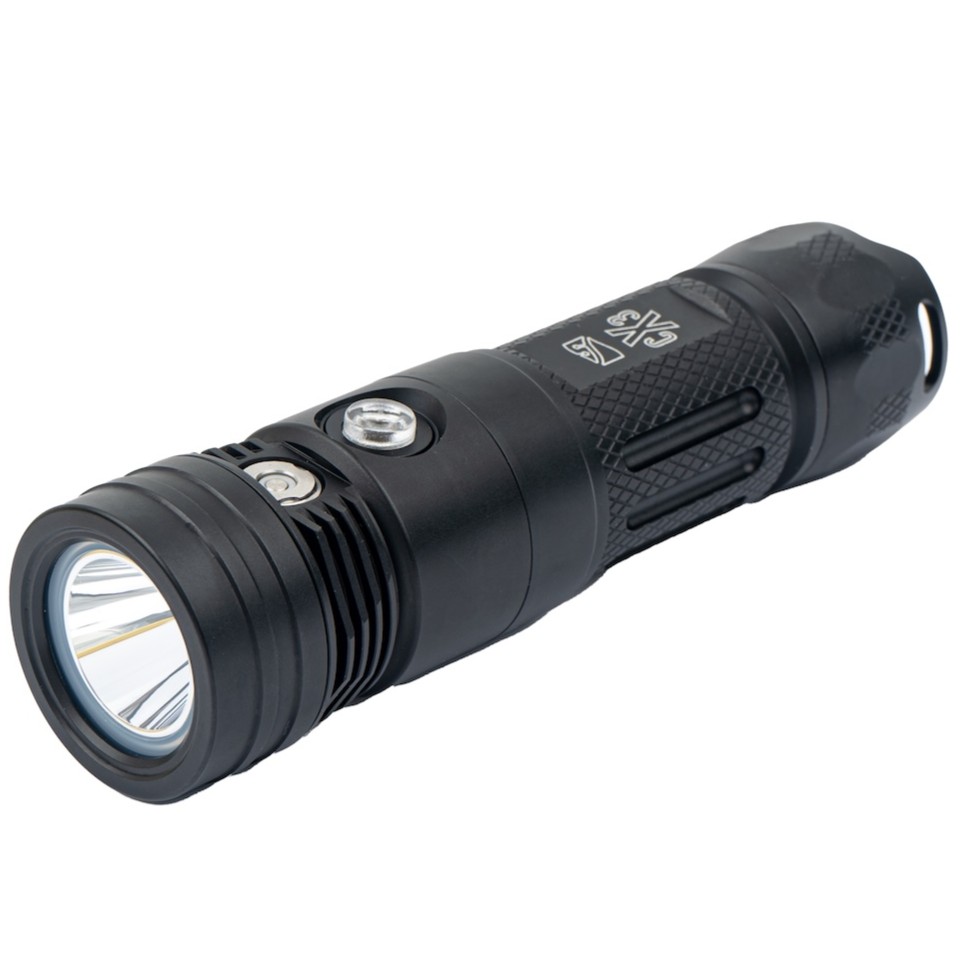
Dive Rite CX3 — Editor Pick. Primary power/tech-leaning compact. ~1,700–1,900 lm, focused 8° beam, ~3 h high (longer on lower), magnetic quick-charge, QRM & Goodman-friendly.
-
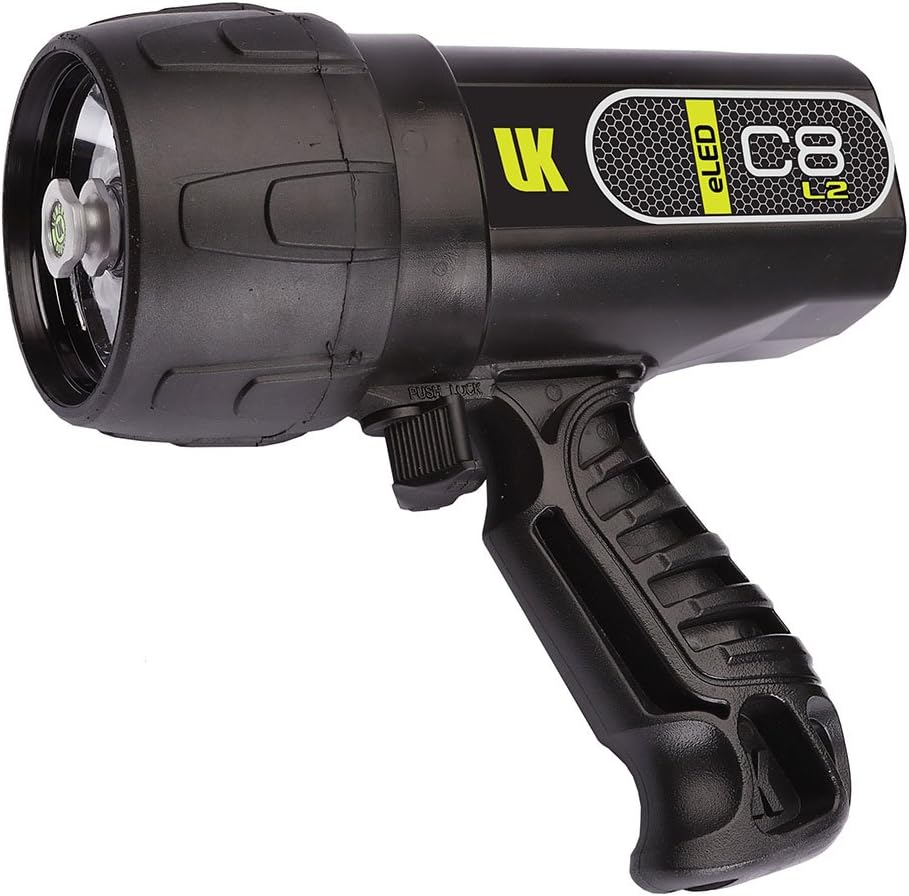
UK C8 eLED L2 — Expedition tank. 1,200 lm, lantern grip, rechargeable or C-cell alkalines, huge longevity, non-corrosive body.
-
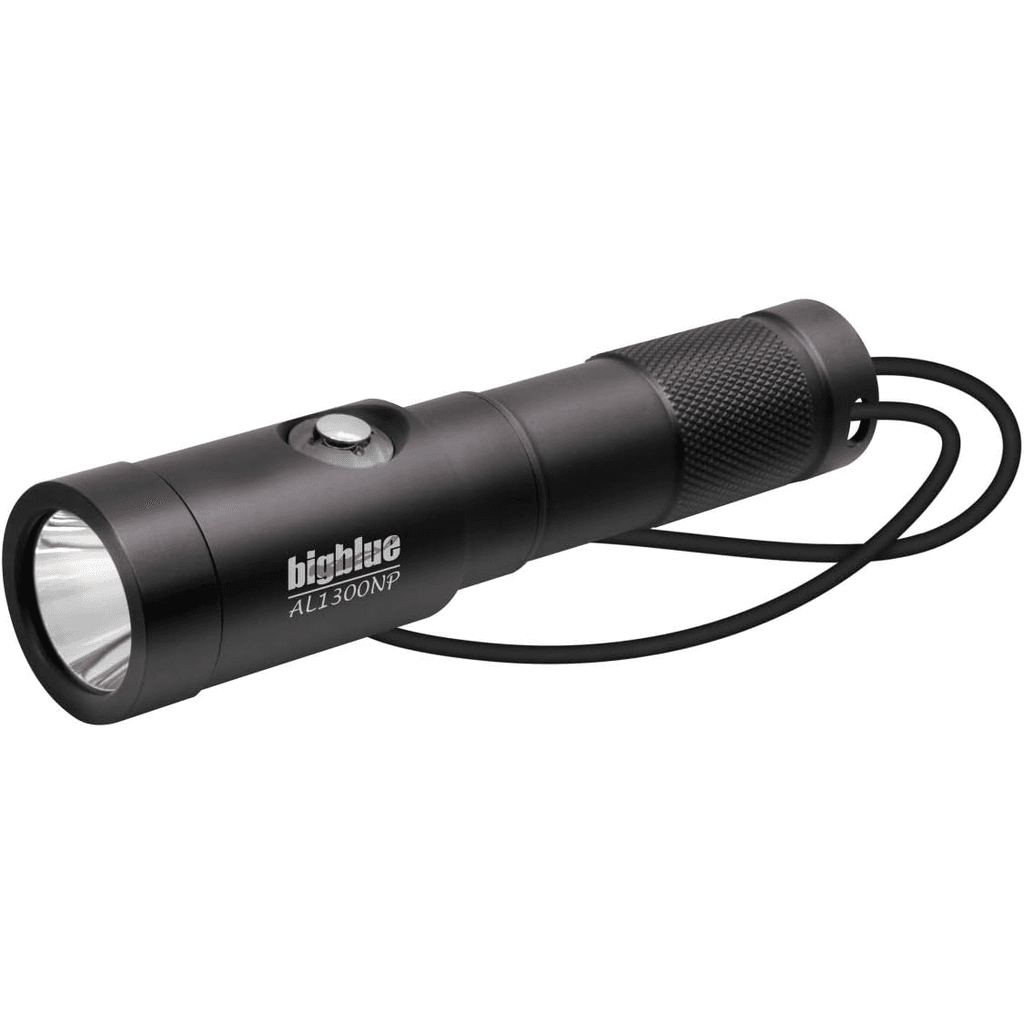
Bigblue AL1300NP — Balanced spot. 1,300 lm, 10° beam, 4 levels + SOS, long burn on low, compact travel buddy.
-
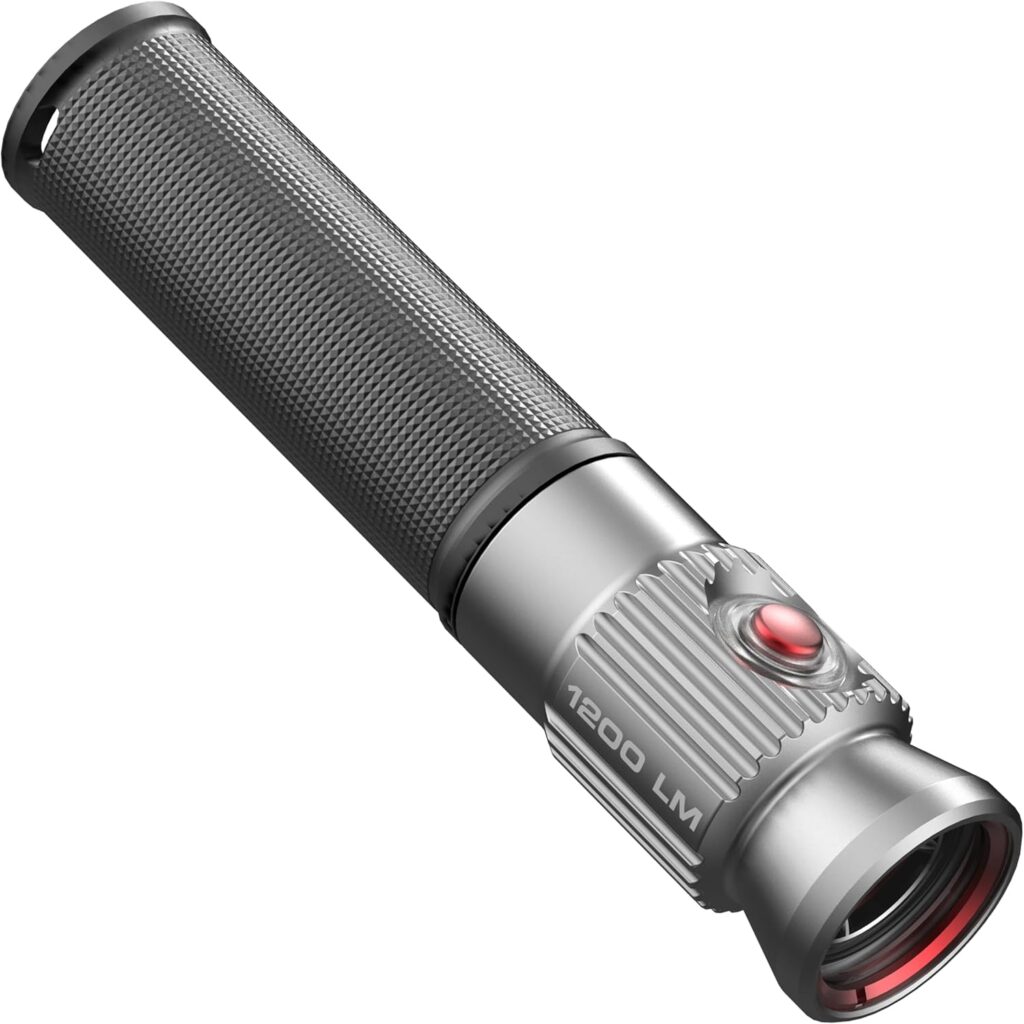
SeaLife Sea Dragon Mini 1200 — Pocket spotter. 1,200 lm, 8° beam, pressure relief valve, easy single-button UI.
-
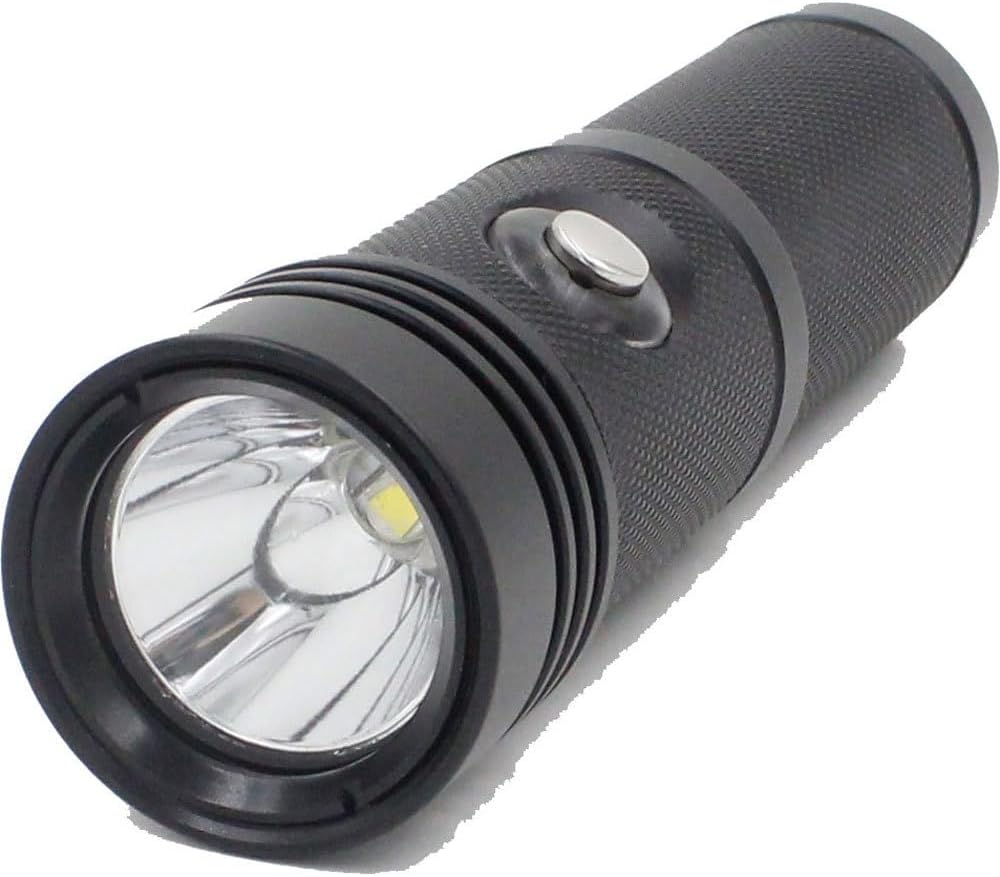
Kraken NR-800 — True backup. 800 lm, SOS/strobe, 18650 or 3×AAA, tiny and dependable.
-
XTAR D26 1600 — Value primary. 1,600 lm, magnetic lock, temp control, ~2+ h on high; great price.
-
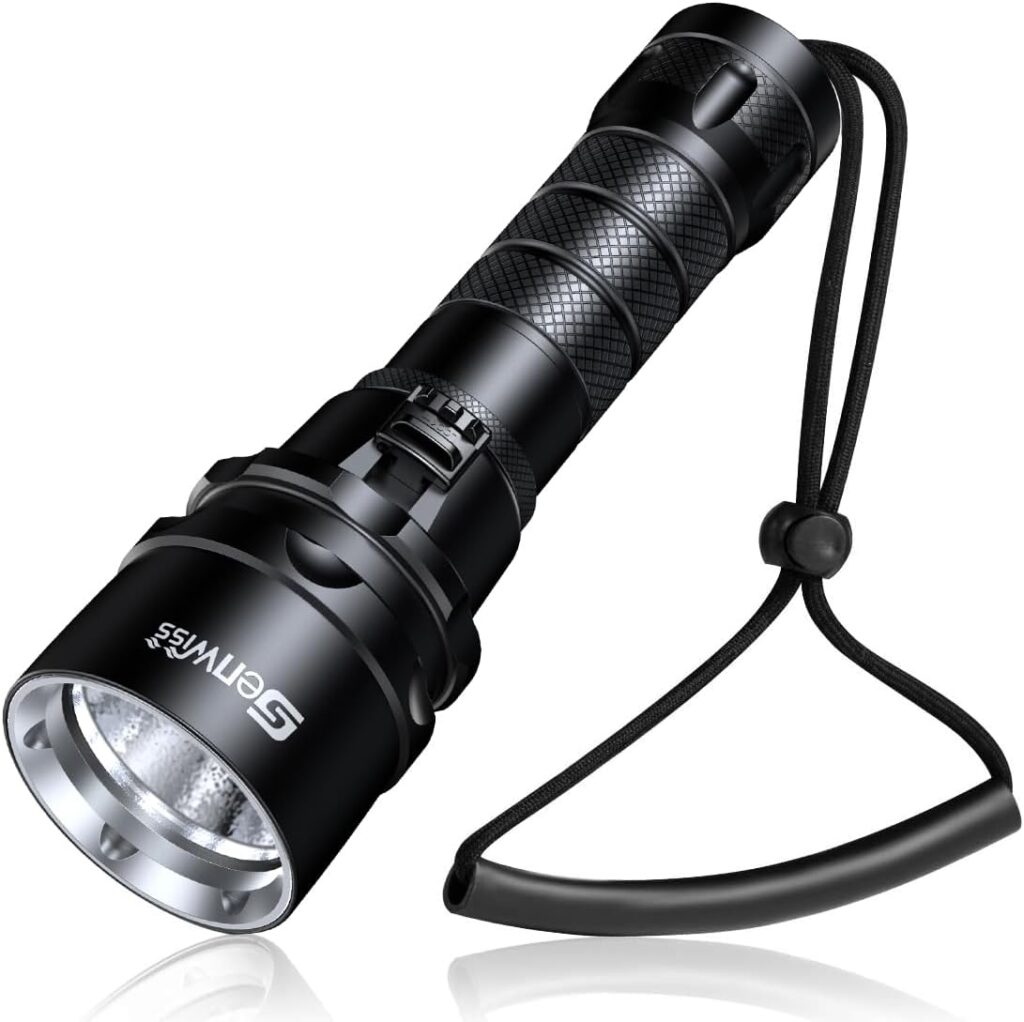
Genwiss — Beater/loaner. Claimed 2,000 lm, basic build, good as a spare.
🧭 The 8 Benchmarks (click the + to expand)
Performance 💡
A light’s performance is about more than just lumens; it’s about how the beam behaves underwater.
We rated the lights on the following criteria:
-
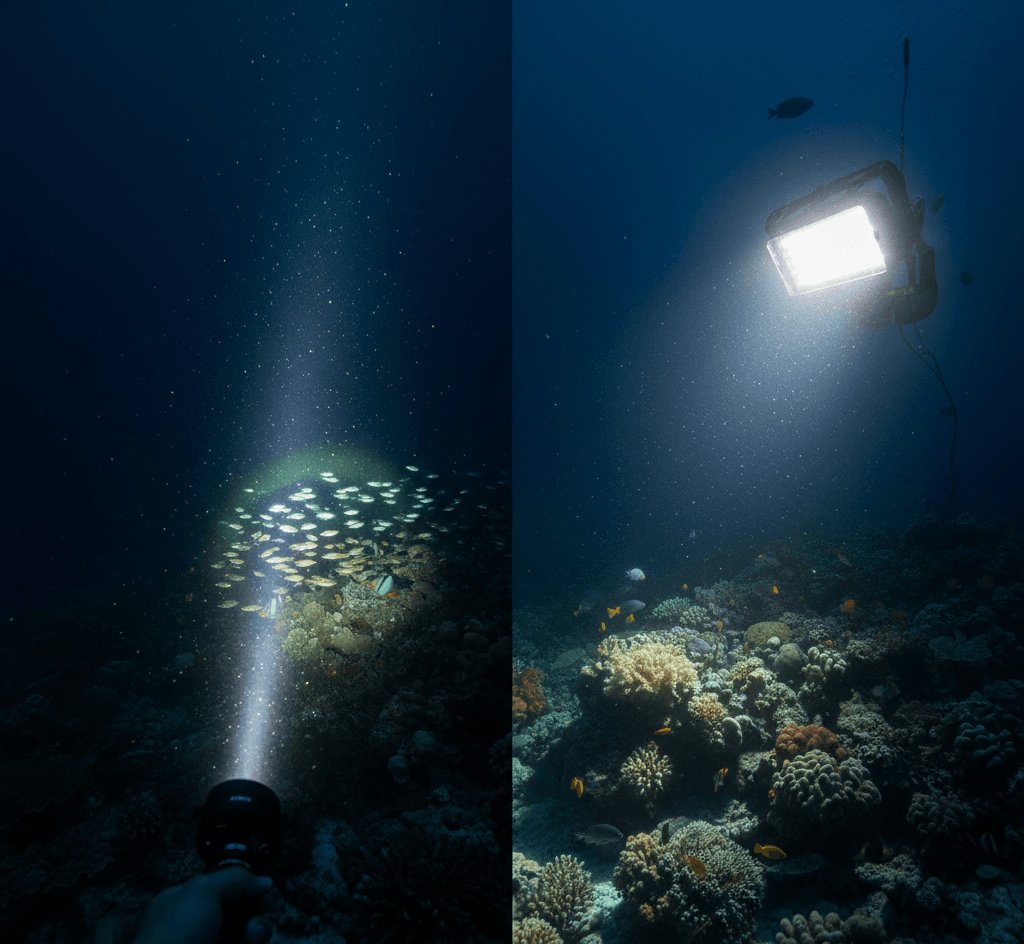
Spots (6–10°) cut haze and reach farther (wreck/cave, signaling). Perform better than floods in high particulate water.
-
Floods (wide) are great for reef scenes & video. Perform best in higher visibility water.
-
Color around 6,000–6,500 K keeps colors lively as depth steals reds.
Reader tip: If you’re often in low-viz, prioritize a tighter spot over raw lumens.
The Findings:
-
OrcaTorch D710: A powerhouse with 3,000 lumens and a tight 6° beam, ideal for cutting through low-visibility water. Its 6,500K color temperature is a cool white that makes colors pop at depth.
-
Mares EOS 25LR: Offers 2,500 lumens with a versatile 15° beam and a balanced daylight color, making it a great all-around primary light.
-
UK C8 eLED L2: A classic with a reliable 1,200-lumen output and a dual-beam design that provides both a narrow spot and a wide flood for great coverage.
-
Bigblue AL1300NP: Built for penetration with a 1,300-lumen output and a very narrow 10° beam, making it a favorite for signaling and technical diving.
-
SeaLife Mini 1200: Packs a tight 8° spot beam into a tiny package, great for spotting and as a backup.
-
Dive Rite CX3: A purpose-built tech light with 1,900 lumens and a tight 8° beam, designed to pierce through the dark in wrecks and caves.
-
XTAR D26: A balanced mid-range option at 1,600 lumens.
-
Kraken NR-800 & Genwiss: These lights are more suited for backup use, offering 800 and 2,000 (claimed) lumens, respectively, with less refined beam quality.
Observations:
-
OrcaTorch D710 is clearly the brightest light here at 3,000 lm, with a very narrow 6° beam that delivers strong penetration (over 260 m on land test, around 150 m underwater), and a daylight-like 6,500 K color tone—great for visibility and accurate color rendering
-
Mares EOS 25LR offers solid brightness at 2,500 lm, with a wider 15° hotspot beam for more general illumination. Its color temperature range (5,800–7,300 K) also leans daylight-neutral to cool white, which is useful for clear-water use and segue into photography
-
UK C8 eLED L2, Bigblue AL1300NP, SeaLife Mini 1200, Kraken NR-800, XTAR D26, and Genwiss Flashlight don’t have publicly listed beam distance or color temperature specs in the sources I accessed—but based on typical designs:
Power & Runtime 🔋
Having strong power (brightness) ensures your dive light can cut through darkness, murky water, and particulates, giving you clear visibility and enhancing safety. A reliable runtime means the light will last for the full duration of your dive, reducing the risk of being left in the dark.
The benchmarks we used to measure power and runtime:
- Battery Type: Disposable vs. rechargeable (Li-ion, proprietary packs).
- Burn Time: How long it lasts on high/medium/low modes.
- Recharge Time: How quickly it can be brought back to full power.
- Battery Indicators: Does it warn you before dying?
The Findings:
-
OrcaTorch D710: Rechargeable 21700 Li-ion, up to 7.5h runtime (low), 1h40min (high), USB-C recharge (~4.5h), battery indicator included, excellent except recharge, which is moderately slow.
-
Mares EOS 25LR: Proprietary internal rechargeable Li-ion, 75min runtime (high), USB recharge (4.5h), LED battery indicator; short burn at high but solid features.
-
UK C8 eLED L2: Rechargeable NiMH pack, 3h (high)/5.3h (low), convenient charging, battery life of up to 10 years, reliable status, but lacks an advanced indicator.
-
Bigblue AL1300NP: Rechargeable 18650 Li-ion, 2h (high), up to 20h (low), removable, decent recharge speed, color battery indicator; solid overall.
-
SeaLife Mini 1200: Rechargeable Li-ion, ~2h runtime (high), fast charge, basic indicator; less capacity, recreational-focused.
-
Dive Rite CX3: Rechargeable Li-ion, 2–5h runtime, standard recharge time, fair status alert; reliable for mid-level use.
-
XTAR D26: Rechargeable 26650 Li-ion, ~2h (high), fast USB recharge, status display; good for frequent dives.
-
Kraken NR-800: Rechargeable 18650 Li-ion, ~2h runtime (high), decent recharge, basic charge indicator; practical, not outstanding.
-
Genwiss: Rechargeable or AA option, 1–2h runtime, average recharge and basic indicator; budget, limited capacity.
Observations:
-
These ratings favor lights with rechargeable batteries, long burn time, fast recharge, and battery warning systems.
Durability & Construction 🛡️
A dive light needs to be a fortress against the elements.
The benchmarks used to measure ratings:
- Depth Rating: How deep the light is tested to withstand (common ranges: 100m–200m).
- Material: Aluminum alloy, polymer, or composite housing.
- Lens & O-rings: Scratch resistance, sealing, redundancy.
- Impact Resistance: Can it handle being dropped or banged around on a boat?
The Findings:
-
OrcaTorch D710: Aircraft-grade aluminum housing with Mil-Spec Type III hard anodized finish, triple O-rings, depth rating of 150m, toughened glass lens; designed for maximum resilience and corrosion resistance in challenging underwater environments.
-
Mares EOS 25LR: Anodized aluminum build, rugged O-ring seals, depth rated to 120m, reinforced lens; very solid overall, but not quite as technically robust or deep-rated as the top models.
-
UK C8 eLED L2: HYDRALUM corrosion-resistant polymer body, reinforced rubber bezel, dual O-rings, depth rating of 150m; built for extreme longevity in saltwater and harsh conditions.
-
Bigblue AL1300NP: Anodized aluminum construction, 100m depth rating, quality O-rings and lens, reliable engineering for both recreational and technical use.
-
SeaLife Mini 1200: Polycarbonate outer shell, 120m depth, O-ring seals; decent durability and waterproofing but designed more for recreational rather than demanding technical dives.
-
Dive Rite CX3: Rugged aluminum body, 100m depth rating, reinforced sealing and durable lens; strong choice for technical and advanced recreational divers.
-
XTAR D26: Aircraft-grade aluminum, double O-ring protection, 100m depth, corrosion & impact resistance for moderate technical applications.
-
Kraken NR-800: Aluminum construction, 100m depth, O-ring seals, adequate lens protection; lighter-duty than some technical models but good for active use.
-
Genwiss: Anodized aluminum, typically rated for 80–100m, standard O-rings, solid construction for basic technical/recreational diving.
Observations:
The OrcaTorch D710 and UK C8 eLED L2 top the chart for durability & construction, ideal for harsh technical diving and long-term use in demanding conditions. If specific model details for the others are shared, ratings can be further refined.
Design & Usability ✋
From the switch to the feel in your hand, usability matters. We used the following criteria to rate the dive lights:
- Size & Weight: Compact backup vs. heavy primary light.
- Grip & Ergonomics: Handheld, Goodman handle, or mounted.
- Switch Type: Twist, push-button, magnetic slider (and how glove-friendly).
- Modes: High/medium/low, strobe, SOS, red filter.
The Findings:
- OrcaTorch D710
- Size & Weight: Compact, 154.9mm length, 152g, suitable for backup or primary
- Grip & Ergonomics: Handheld, textured, easy lanyard attachment
- Switch Type: Side-mounted titanium push-button, glove-friendly, safe lock
- Modes: Turbo, High, Medium, Low; strobe/SOS options
- Mares EOS 25LR
- Size & Weight: Moderate size, 325g with battery
- Grip & Ergonomics: Tubular handle, adjustable wrist strap, ergonomic
- Switch Type: Multifunctional mechanical switch, glove-friendly, electronic lock
- Modes: High, Low, Off, Laser; strobe/SOS
- UK C8 eLED L2
- Size & Weight: Heavy primary, 1.02kg
- Grip & Ergonomics: Pistol grip, wrist lanyard for secure handling
- Switch Type: Dual power locking switch, toggle high/low, glove-compatible
- Modes: High, Low; no strobe/SOS
- Bigblue AL1300NP
- Size & Weight: Compact, lightweight for backup use
- Grip & Ergonomics: Handheld, secure grip
- Switch Type: Side push-button, glove usable
- Modes: Four brightness levels, no strobe
- SeaLife Mini 1200
- Size & Weight: Ultra-compact backup
- Grip & Ergonomics: Handheld, recreational design
- Switch Type: Push-button, glove usable
- Modes: Multiple outputs, may include strobe
- Dive Rite CX3
- Size & Weight: Small primary, moderate weight
- Grip & Ergonomics: Handheld, technical divers
- Switch Type: Push-button or twist, decent glove usability
- Modes: Multiple brightness, some models with strobe
- XTAR D26
- Size & Weight: Compact, moderate weight
- Grip & Ergonomics: Handheld, secure grip
- Switch Type: Magnetic slider, glove-friendly
- Modes: High/Low, strobe
- Kraken NR-800
- Size & Weight: Compact
- Grip & Ergonomics: Handheld, ergonomic
- Switch Type: Push-button
- Modes: Multiple outputs
- Genwiss
- Size & Weight: Compact, backup use
- Grip & Ergonomics: Handheld
- Switch Type: Basic push
- Modes: Modes vary, basic functionality
Observations:
-
Compact backup lights like the SeaLife Mini 1200, Bigblue AL1300NP, and Genwiss excel in portability and lightweight convenience, making them excellent choices for travel or backup use.
-
Ergonomics and grip were strong among nearly all models, but primary lights like the UK C8 eLED L2 tend to be heavier, which could affect comfort for long dives or compact packing.
-
Switch types are increasingly glove-friendly, with common use of side push-buttons or magnetic sliders for quick access, but some lower-cost models retain basic push or twist mechanisms.
-
Modes are generally versatile, covering high/low and sometimes strobe/SOS, with more advanced models (OrcaTorch, Mares EOS) offering the greatest flexibility.
Overall, premium models like OrcaTorch D710 and Mares EOS 25LR rate highest for versatility, ergonomic design, and advanced switch/mode features, while the more basic or backup-focused lights offer strengths in portability but some trade-offs in control options and lighting modes.
Special Features ⭐
The little things can make a big difference.
- Recharge Method: USB, magnetic, or external charger.
- Smart Tech: Pressure sensors, automatic brightness adjustment.
- Mounting Options: Helmet, camera rig, wrist mount.
- Red/UV/Blue Modes: Useful for photography, night vision, or fluorescence diving.
Observations:
The latest analysis reveals that modern dive lights are becoming feature-rich, especially in convenience and versatility:
-
Recharge methods have shifted strongly toward USB-C and quick-connect charging (OrcaTorch D710, Dive Rite Cx3, and Mares EOS 25LR), making recharging far easier, especially for travel and liveaboard diving. By far, my favorite is Dive Rite’s magnetic recharge for the CX3. It does not require the removal of anything, so there is no chance of losing something on the boat or having to crawl around on the hotel room floor.
-
Smart tech adoption is noticeable, with premium options now sporting features like battery status displays and temperature sensors, though advanced options like automatic brightness/pressure sensors remain rare.
-
Mounting versatility is somewhat limited; most models default to wrist lanyard or basic handheld use, with only a few offering direct helmet or camera compatibility.
-
Color modes (red/UV/blue) are mainly reserved for specialty or photo/video torches—another sign that dive lights are being tailored for niche activities beyond basic illumination.
Overall, the top-scoring lights excel in charging convenience, basic smart features, and some color flexibility, but direct mounting and advanced smart tech could still be improved even among flagship models. This points to a market focused on reliability, simplicity, and broader utility, with the highest marks going to models that combine easy charging and a useful spread of modes and tech options.
The Findings:
-
- Recharge Method: USB-C direct charging, quick and easy
- Smart Tech: Temperature sensor, lockout features, battery indicator, auto-off safety
- Mounting Options: Wrist lanyard; no dedicated helmet or camera rig mount
- Red/UV/Blue Modes: D710V variant offers red/UV/blue, standard D710: white only
-
- Recharge Method: USB recharge, LED status indicator
- Smart Tech: Electronic lock system, multifunctional mechanical switch, battery indicator
- Mounting Options: Adjustable wrist strap, padded case, some rig compatibility
- Red/UV/Blue Modes: Laser mode, limited color options; no true red/UV/blue
-
- Recharge Method: External charger for NiMH, not USB
- Smart Tech: Dual power modes, lumen booster, long-life battery
- Mounting Options: Pistol grip, wrist lanyard, some helmet/camera adaptability
- Red/UV/Blue Modes: White only; no color modes
-
- Recharge Method: 18650 Li-ion, external charger
- Smart Tech: Color battery indicator, lockout mode
- Mounting Options: Wrist lanyard; camera/helmet mounts intermediate
- Red/UV/Blue Modes: Mostly white/blue light; rare red/UV
-
- Recharge Method: USB rechargeable
- Smart Tech: Basic battery status
- Mounting Options: Easy mounting on camera rigs
- Red/UV/Blue Modes: Blue/red available for photo use
-
- Recharge Method: External (magnetic) charging. This means you do not have to unscrew your light and potentially lose parts or pieces.
- Smart Tech: Color battery indicator
- Mounting Options: Soft/Hard Goodman handle, Dive Rite QRM
- Red/UV/Blue Modes: White/blue beam in some models
7. XTAR D26
-
- Recharge Method: USB rechargeable
- Smart Tech: Battery indicator, simple features
- Mounting Options: Wrist, basic camera rig adaptable
- Red/UV/Blue Modes: White/UV, limited red/blue
-
- Recharge Method: USB or external charger
- Smart Tech: Basic battery status
- Mounting Options: Wrist/camera rig
- Red/UV/Blue Modes: Basic color features
9. Genwiss
-
- Recharge Method: USB or AA, versatile
- Smart Tech: Basic battery status
- Mounting Options: Basic mounting options
- Red/UV/Blue Modes: Occasional red mode only
Safety Considerations 🚨
Your gear should work when you need it most.
- Look for overheat, reverse polarity, low-voltage protection, plus a lock.
- Redundancy: one primary + one (or two) backups is non-negotiable in overheads.
The Findings:
1. OrcaTorch D710
-
- Overheat protection: Yes (auto output drop at 65°C)
- Reverse polarity protection: Yes
- Low-voltage protection: Yes (over-discharge)
- Lock: Yes (safe lock function)
- Redundancy: Standard as primary; recommended to pair with backup
2. Mares EOS 25LR
-
- Overheat protection: Not explicitly specified; modern lights often limit output at high temp
- Reverse polarity protection: Not specified in documentation
- Low-voltage protection: Not stated, likely basic circuitry present
- Lock: Yes (electronic lock system)
- Redundancy: Commonly used as primary; must pair with backup
3. UK C8 eLED L2
-
- Overheat protection: Patented Lumen Booster dissipates LED heat
- Reverse polarity protection: Not specifically stated
- Low-voltage protection: Not specified
- Lock: Dual locking switch
- Redundancy: Foundation primary, needs backup, C8 has legacy reliability
4. Bigblue AL1300NP
-
- Overheat protection: Not documented
- Reverse polarity protection: Not specified
- Low-voltage protection: Battery indicator, but not active protection
- Lock: Basic on/off, no advanced lock
- Redundancy: Suitable as backup or primary with another light
5. SeaLife Mini 1200
-
- Overheat protection: Not specified
- Reverse polarity protection: Not specified
- Low-voltage protection: Basic battery warning only
- Lock: Push-button only
- Redundancy: Good backup, not designed as primary
6. Dive Rite CX3
-
- Overheat protection: Not stated
- Reverse polarity protection: Not stated
- Low-voltage protection: Color battery indicator only
- Lock: Not stated
- Redundancy: Technically solid as primary or secondary
7. XTAR D26
-
- Overheat protection: Not specified
- Reverse polarity protection: Stated on some XTAR models but not confirmed here
- Low-voltage protection: Battery status
- Lock: Push-button, not lockout
- Redundancy: Backup role most common
8. Kraken NR-800
-
- Overheat protection: Not specified
- Reverse polarity protection: Not specified
- Low-voltage protection: Basic indicator only
- Lock: Push-button
- Redundancy: Designed as backup
9. Genwiss
-
- Overheat protection: Not specified
- Reverse polarity protection: Rare in the value segment
- Low-voltage protection: Not documented
- Lock: Basic only
- Redundancy: Backup only
Observations:
- OrcaTorch D710 & EOS 25LR: High-end safety features (lockouts, overheating protection).
- C8 eLED L2: Time-tested reliability — fewer electronics to fail.
- Bigblue, SeaLife, Kraken, XTAR: Decent safety, but vary by model.
- Genwiss: Lacks advanced protections; best kept as a budget backup, not a primary in demanding dives.
Best Uses by Diver Type 🔱
Choosing the right light is about matching your gear to your dive style.
1. Night Reef Diving (comfort & enjoyment)
-
- What matters: wider/even beam, 1,000–2,000 lm, simple UI, ≥90-min runtime.
- Great picks:
- OrcaTorch D710 (versatile power)
- Bigblue AL1300NP (balanced)
- Mares EOS 25LR (friendly modes)
2. Wreck & Cavern (tight penetration)
-
- What matters: narrow 6–10° spot, 1,500–3,000 lm, rugged build, Goodman options.
- Great picks:
- Dive Rite CX3 (focused 8° tech build)
- Bigblue AL1300NP (10° spot)
- SeaLife Mini 1200 (8° pocket rocket)
3. Cave/Technical (long, demanding dives)
-
- What matters: hours of usable light, reliable switch/seals, mounting options.
- Great picks:
- Dive Rite CX3 (long runtime & quick recharge)
- OrcaTorch D710
- XTAR D26 (budget primary)
4. Photography/Videography (color & coverage)
-
- What matters: wide/even beam, higher CRI, smooth steps, diffusers/mounts.
- Great picks:
- SeaLife Mini 1200 (aim/spot assist)
- Bigblue AL1300NP (modular heads/angles)
5. Instructors & Guides (communication)
-
- What matters: clear signaling, easy switching.
- Great pick:
- Mares EOS 25LR Laser (integrated laser pointer)
6. Expedition/Remote (field reliability)
-
- What matters: battery flexibility, long runtimes, serviceable parts.
- Great pick:
- UK C8 eLED L2 (rechargeable or alkaline)
- Dive Rite CX3 (long runtime)
7. Backup/Safety (always carry)
-
- What matters: compact, reliable, SOS/strobe preferred.
- Great picks:
- Kraken NR-800
- SeaLife Mini 1200
- Genwiss (budget spare)
8. Best Value (performance per dollar)
Value & Practicality ⚖️
-
OrcaTorch D710:
Reasonably priced relative to very high brightness, advanced features, excellent durability, extensive accessories (battery, case, O-rings), and strong user reviews. Outstanding value for the money. -
Mares EOS 25LR:
Premium features (USB charge, laser pointer, robust build), excellent brightness, and good accessories, but priced as a higher-end item. Still delivers strong value for frequent divers. -
UK C8 eLED L2:
Renowned reliability, tough build, long battery life, excellent warranty, and good brightness. Heavier and sometimes pricier, but reputation for longevity makes it a solid investment. -
Bigblue AL1300NP:
Compact, robust, and affordable, with strong accessories, but performance and versatility are slightly below flagship models. A strong value option for most divers. -
SeaLife Mini 1200:
Highly affordable, compact, and travel-friendly, valuable for recreational or back-up use. Not as full-featured as primary lights, but very good value for specific roles. -
Dive Rite CX3:
Durable construction, technical pedigree, and fair pricing. A workhorse recommended for serious technical divers, with good value but fewer accessories than premium models. -
XTAR D26:
Good specs for the price, compact with reliable features, and practical as either primary or backup. Value slightly below top competitors but strong in its price range. -
Kraken NR-800:
Reliable, inexpensive backup light; does not compete in features or battery performance with flagship models, but is a good value for budget buyers. -
Genwiss:
A budget option, with adequate durability and basic features. Value is very strong for casual recreational use, but not for demanding environments.
The OrcaTorch D710, Mares EOS 25LR, and UK C8 eLED L2 each provide exceptional value for serious divers, while the others shine in specific budget or backup roles.
A light’s performance is about more than just lumens; it’s about how the beam behaves underwater.
We rated the lights on the following criteria:
-
Spots (6–10°) cut haze and reach farther (wreck/cave, signaling). Perform better than floods in high particulate water.
-
Floods (wide) are great for reef scenes & video. Perform best in higher visibility water.
-
Color around 6,000–6,500 K keeps colors lively as depth steals reds.
Reader tip: If you’re often in low-viz, prioritize a tighter spot over raw lumens.
The Findings:
-
OrcaTorch D710: A powerhouse with 3,000 lumens and a tight 6° beam, ideal for cutting through low-visibility water. Its 6,500K color temperature is a cool white that makes colors pop at depth.
-
Mares EOS 25LR: Offers 2,500 lumens with a versatile 15° beam and a balanced daylight color, making it a great all-around primary light.
-
UK C8 eLED L2: A classic with a reliable 1,200-lumen output and a dual-beam design that provides both a narrow spot and a wide flood for great coverage.
-
Bigblue AL1300NP: Built for penetration with a 1,300-lumen output and a very narrow 10° beam, making it a favorite for signaling and technical diving.
-
SeaLife Mini 1200: Packs a tight 8° spot beam into a tiny package, great for spotting and as a backup.
-
Dive Rite CX3: A purpose-built tech light with 1,900 lumens and a tight 8° beam, designed to pierce through the dark in wrecks and caves.
-
XTAR D26: A balanced mid-range option at 1,600 lumens.
-
Kraken NR-800 & Genwiss: These lights are more suited for backup use, offering 800 and 2,000 (claimed) lumens, respectively, with less refined beam quality.
Observations:
-
OrcaTorch D710 is clearly the brightest light here at 3,000 lm, with a very narrow 6° beam that delivers strong penetration (over 260 m on land test, around 150 m underwater), and a daylight-like 6,500 K color tone—great for visibility and accurate color rendering
-
Mares EOS 25LR offers solid brightness at 2,500 lm, with a wider 15° hotspot beam for more general illumination. Its color temperature range (5,800–7,300 K) also leans daylight-neutral to cool white, which is useful for clear-water use and segue into photography
-
UK C8 eLED L2, Bigblue AL1300NP, SeaLife Mini 1200, Kraken NR-800, XTAR D26, and Genwiss Flashlight don’t have publicly listed beam distance or color temperature specs in the sources I accessed—but based on typical designs:
Having strong power (brightness) ensures your dive light can cut through darkness, murky water, and particulates, giving you clear visibility and enhancing safety. A reliable runtime means the light will last for the full duration of your dive, reducing the risk of being left in the dark.
The benchmarks we used to measure power and runtime:
- Battery Type: Disposable vs. rechargeable (Li-ion, proprietary packs).
- Burn Time: How long it lasts on high/medium/low modes.
- Recharge Time: How quickly it can be brought back to full power.
- Battery Indicators: Does it warn you before dying?
The Findings:
-
OrcaTorch D710: Rechargeable 21700 Li-ion, up to 7.5h runtime (low), 1h40min (high), USB-C recharge (~4.5h), battery indicator included, excellent except recharge, which is moderately slow.
-
Mares EOS 25LR: Proprietary internal rechargeable Li-ion, 75min runtime (high), USB recharge (4.5h), LED battery indicator; short burn at high but solid features.
-
UK C8 eLED L2: Rechargeable NiMH pack, 3h (high)/5.3h (low), convenient charging, battery life of up to 10 years, reliable status, but lacks an advanced indicator.
-
Bigblue AL1300NP: Rechargeable 18650 Li-ion, 2h (high), up to 20h (low), removable, decent recharge speed, color battery indicator; solid overall.
-
SeaLife Mini 1200: Rechargeable Li-ion, ~2h runtime (high), fast charge, basic indicator; less capacity, recreational-focused.
-
Dive Rite CX3: Rechargeable Li-ion, 2–5h runtime, standard recharge time, fair status alert; reliable for mid-level use.
-
XTAR D26: Rechargeable 26650 Li-ion, ~2h (high), fast USB recharge, status display; good for frequent dives.
-
Kraken NR-800: Rechargeable 18650 Li-ion, ~2h runtime (high), decent recharge, basic charge indicator; practical, not outstanding.
-
Genwiss: Rechargeable or AA option, 1–2h runtime, average recharge and basic indicator; budget, limited capacity.
Observations:
-
These ratings favor lights with rechargeable batteries, long burn time, fast recharge, and battery warning systems.
A dive light needs to be a fortress against the elements.
The benchmarks used to measure ratings:
- Depth Rating: How deep the light is tested to withstand (common ranges: 100m–200m).
- Material: Aluminum alloy, polymer, or composite housing.
- Lens & O-rings: Scratch resistance, sealing, redundancy.
- Impact Resistance: Can it handle being dropped or banged around on a boat?
The Findings:
-
OrcaTorch D710: Aircraft-grade aluminum housing with Mil-Spec Type III hard anodized finish, triple O-rings, depth rating of 150m, toughened glass lens; designed for maximum resilience and corrosion resistance in challenging underwater environments.
-
Mares EOS 25LR: Anodized aluminum build, rugged O-ring seals, depth rated to 120m, reinforced lens; very solid overall, but not quite as technically robust or deep-rated as the top models.
-
UK C8 eLED L2: HYDRALUM corrosion-resistant polymer body, reinforced rubber bezel, dual O-rings, depth rating of 150m; built for extreme longevity in saltwater and harsh conditions.
-
Bigblue AL1300NP: Anodized aluminum construction, 100m depth rating, quality O-rings and lens, reliable engineering for both recreational and technical use.
-
SeaLife Mini 1200: Polycarbonate outer shell, 120m depth, O-ring seals; decent durability and waterproofing but designed more for recreational rather than demanding technical dives.
-
Dive Rite CX3: Rugged aluminum body, 100m depth rating, reinforced sealing and durable lens; strong choice for technical and advanced recreational divers.
-
XTAR D26: Aircraft-grade aluminum, double O-ring protection, 100m depth, corrosion & impact resistance for moderate technical applications.
-
Kraken NR-800: Aluminum construction, 100m depth, O-ring seals, adequate lens protection; lighter-duty than some technical models but good for active use.
-
Genwiss: Anodized aluminum, typically rated for 80–100m, standard O-rings, solid construction for basic technical/recreational diving.
Observations:
The OrcaTorch D710 and UK C8 eLED L2 top the chart for durability & construction, ideal for harsh technical diving and long-term use in demanding conditions. If specific model details for the others are shared, ratings can be further refined.
From the switch to the feel in your hand, usability matters. We used the following criteria to rate the dive lights:
- Size & Weight: Compact backup vs. heavy primary light.
- Grip & Ergonomics: Handheld, Goodman handle, or mounted.
- Switch Type: Twist, push-button, magnetic slider (and how glove-friendly).
- Modes: High/medium/low, strobe, SOS, red filter.
The Findings:
- OrcaTorch D710
- Size & Weight: Compact, 154.9mm length, 152g, suitable for backup or primary
- Grip & Ergonomics: Handheld, textured, easy lanyard attachment
- Switch Type: Side-mounted titanium push-button, glove-friendly, safe lock
- Modes: Turbo, High, Medium, Low; strobe/SOS options
- Mares EOS 25LR
- Size & Weight: Moderate size, 325g with battery
- Grip & Ergonomics: Tubular handle, adjustable wrist strap, ergonomic
- Switch Type: Multifunctional mechanical switch, glove-friendly, electronic lock
- Modes: High, Low, Off, Laser; strobe/SOS
- UK C8 eLED L2
- Size & Weight: Heavy primary, 1.02kg
- Grip & Ergonomics: Pistol grip, wrist lanyard for secure handling
- Switch Type: Dual power locking switch, toggle high/low, glove-compatible
- Modes: High, Low; no strobe/SOS
- Bigblue AL1300NP
- Size & Weight: Compact, lightweight for backup use
- Grip & Ergonomics: Handheld, secure grip
- Switch Type: Side push-button, glove usable
- Modes: Four brightness levels, no strobe
- SeaLife Mini 1200
- Size & Weight: Ultra-compact backup
- Grip & Ergonomics: Handheld, recreational design
- Switch Type: Push-button, glove usable
- Modes: Multiple outputs, may include strobe
- Dive Rite CX3
- Size & Weight: Small primary, moderate weight
- Grip & Ergonomics: Handheld, technical divers
- Switch Type: Push-button or twist, decent glove usability
- Modes: Multiple brightness, some models with strobe
- XTAR D26
- Size & Weight: Compact, moderate weight
- Grip & Ergonomics: Handheld, secure grip
- Switch Type: Magnetic slider, glove-friendly
- Modes: High/Low, strobe
- Kraken NR-800
- Size & Weight: Compact
- Grip & Ergonomics: Handheld, ergonomic
- Switch Type: Push-button
- Modes: Multiple outputs
- Genwiss
- Size & Weight: Compact, backup use
- Grip & Ergonomics: Handheld
- Switch Type: Basic push
- Modes: Modes vary, basic functionality
Observations:
-
Compact backup lights like the SeaLife Mini 1200, Bigblue AL1300NP, and Genwiss excel in portability and lightweight convenience, making them excellent choices for travel or backup use.
-
Ergonomics and grip were strong among nearly all models, but primary lights like the UK C8 eLED L2 tend to be heavier, which could affect comfort for long dives or compact packing.
-
Switch types are increasingly glove-friendly, with common use of side push-buttons or magnetic sliders for quick access, but some lower-cost models retain basic push or twist mechanisms.
-
Modes are generally versatile, covering high/low and sometimes strobe/SOS, with more advanced models (OrcaTorch, Mares EOS) offering the greatest flexibility.
Overall, premium models like OrcaTorch D710 and Mares EOS 25LR rate highest for versatility, ergonomic design, and advanced switch/mode features, while the more basic or backup-focused lights offer strengths in portability but some trade-offs in control options and lighting modes.
The little things can make a big difference.
- Recharge Method: USB, magnetic, or external charger.
- Smart Tech: Pressure sensors, automatic brightness adjustment.
- Mounting Options: Helmet, camera rig, wrist mount.
- Red/UV/Blue Modes: Useful for photography, night vision, or fluorescence diving.
Observations:
The latest analysis reveals that modern dive lights are becoming feature-rich, especially in convenience and versatility:
-
Recharge methods have shifted strongly toward USB-C and quick-connect charging (OrcaTorch D710, Dive Rite Cx3, and Mares EOS 25LR), making recharging far easier, especially for travel and liveaboard diving. By far, my favorite is Dive Rite’s magnetic recharge for the CX3. It does not require the removal of anything, so there is no chance of losing something on the boat or having to crawl around on the hotel room floor.
-
Smart tech adoption is noticeable, with premium options now sporting features like battery status displays and temperature sensors, though advanced options like automatic brightness/pressure sensors remain rare.
-
Mounting versatility is somewhat limited; most models default to wrist lanyard or basic handheld use, with only a few offering direct helmet or camera compatibility.
-
Color modes (red/UV/blue) are mainly reserved for specialty or photo/video torches—another sign that dive lights are being tailored for niche activities beyond basic illumination.
Overall, the top-scoring lights excel in charging convenience, basic smart features, and some color flexibility, but direct mounting and advanced smart tech could still be improved even among flagship models. This points to a market focused on reliability, simplicity, and broader utility, with the highest marks going to models that combine easy charging and a useful spread of modes and tech options.
The Findings:
-
- Recharge Method: USB-C direct charging, quick and easy
- Smart Tech: Temperature sensor, lockout features, battery indicator, auto-off safety
- Mounting Options: Wrist lanyard; no dedicated helmet or camera rig mount
- Red/UV/Blue Modes: D710V variant offers red/UV/blue, standard D710: white only
-
- Recharge Method: USB recharge, LED status indicator
- Smart Tech: Electronic lock system, multifunctional mechanical switch, battery indicator
- Mounting Options: Adjustable wrist strap, padded case, some rig compatibility
- Red/UV/Blue Modes: Laser mode, limited color options; no true red/UV/blue
-
- Recharge Method: External charger for NiMH, not USB
- Smart Tech: Dual power modes, lumen booster, long-life battery
- Mounting Options: Pistol grip, wrist lanyard, some helmet/camera adaptability
- Red/UV/Blue Modes: White only; no color modes
-
- Recharge Method: 18650 Li-ion, external charger
- Smart Tech: Color battery indicator, lockout mode
- Mounting Options: Wrist lanyard; camera/helmet mounts intermediate
- Red/UV/Blue Modes: Mostly white/blue light; rare red/UV
-
- Recharge Method: USB rechargeable
- Smart Tech: Basic battery status
- Mounting Options: Easy mounting on camera rigs
- Red/UV/Blue Modes: Blue/red available for photo use
-
- Recharge Method: External (magnetic) charging. This means you do not have to unscrew your light and potentially lose parts or pieces.
- Smart Tech: Color battery indicator
- Mounting Options: Soft/Hard Goodman handle, Dive Rite QRM
- Red/UV/Blue Modes: White/blue beam in some models
7. XTAR D26
-
- Recharge Method: USB rechargeable
- Smart Tech: Battery indicator, simple features
- Mounting Options: Wrist, basic camera rig adaptable
- Red/UV/Blue Modes: White/UV, limited red/blue
-
- Recharge Method: USB or external charger
- Smart Tech: Basic battery status
- Mounting Options: Wrist/camera rig
- Red/UV/Blue Modes: Basic color features
9. Genwiss
-
- Recharge Method: USB or AA, versatile
- Smart Tech: Basic battery status
- Mounting Options: Basic mounting options
- Red/UV/Blue Modes: Occasional red mode only
Your gear should work when you need it most.
- Look for overheat, reverse polarity, low-voltage protection, plus a lock.
- Redundancy: one primary + one (or two) backups is non-negotiable in overheads.
The Findings:
1. OrcaTorch D710
-
- Overheat protection: Yes (auto output drop at 65°C)
- Reverse polarity protection: Yes
- Low-voltage protection: Yes (over-discharge)
- Lock: Yes (safe lock function)
- Redundancy: Standard as primary; recommended to pair with backup
2. Mares EOS 25LR
-
- Overheat protection: Not explicitly specified; modern lights often limit output at high temp
- Reverse polarity protection: Not specified in documentation
- Low-voltage protection: Not stated, likely basic circuitry present
- Lock: Yes (electronic lock system)
- Redundancy: Commonly used as primary; must pair with backup
3. UK C8 eLED L2
-
- Overheat protection: Patented Lumen Booster dissipates LED heat
- Reverse polarity protection: Not specifically stated
- Low-voltage protection: Not specified
- Lock: Dual locking switch
- Redundancy: Foundation primary, needs backup, C8 has legacy reliability
4. Bigblue AL1300NP
-
- Overheat protection: Not documented
- Reverse polarity protection: Not specified
- Low-voltage protection: Battery indicator, but not active protection
- Lock: Basic on/off, no advanced lock
- Redundancy: Suitable as backup or primary with another light
5. SeaLife Mini 1200
-
- Overheat protection: Not specified
- Reverse polarity protection: Not specified
- Low-voltage protection: Basic battery warning only
- Lock: Push-button only
- Redundancy: Good backup, not designed as primary
6. Dive Rite CX3
-
- Overheat protection: Not stated
- Reverse polarity protection: Not stated
- Low-voltage protection: Color battery indicator only
- Lock: Not stated
- Redundancy: Technically solid as primary or secondary
7. XTAR D26
-
- Overheat protection: Not specified
- Reverse polarity protection: Stated on some XTAR models but not confirmed here
- Low-voltage protection: Battery status
- Lock: Push-button, not lockout
- Redundancy: Backup role most common
8. Kraken NR-800
-
- Overheat protection: Not specified
- Reverse polarity protection: Not specified
- Low-voltage protection: Basic indicator only
- Lock: Push-button
- Redundancy: Designed as backup
9. Genwiss
-
- Overheat protection: Not specified
- Reverse polarity protection: Rare in the value segment
- Low-voltage protection: Not documented
- Lock: Basic only
- Redundancy: Backup only
Observations:
- OrcaTorch D710 & EOS 25LR: High-end safety features (lockouts, overheating protection).
- C8 eLED L2: Time-tested reliability — fewer electronics to fail.
- Bigblue, SeaLife, Kraken, XTAR: Decent safety, but vary by model.
- Genwiss: Lacks advanced protections; best kept as a budget backup, not a primary in demanding dives.
Choosing the right light is about matching your gear to your dive style.
1. Night Reef Diving (comfort & enjoyment)
-
- What matters: wider/even beam, 1,000–2,000 lm, simple UI, ≥90-min runtime.
- Great picks:
- OrcaTorch D710 (versatile power)
- Bigblue AL1300NP (balanced)
- Mares EOS 25LR (friendly modes)
2. Wreck & Cavern (tight penetration)
-
- What matters: narrow 6–10° spot, 1,500–3,000 lm, rugged build, Goodman options.
- Great picks:
- Dive Rite CX3 (focused 8° tech build)
- Bigblue AL1300NP (10° spot)
- SeaLife Mini 1200 (8° pocket rocket)
3. Cave/Technical (long, demanding dives)
-
- What matters: hours of usable light, reliable switch/seals, mounting options.
- Great picks:
- Dive Rite CX3 (long runtime & quick recharge)
- OrcaTorch D710
- XTAR D26 (budget primary)
4. Photography/Videography (color & coverage)
-
- What matters: wide/even beam, higher CRI, smooth steps, diffusers/mounts.
- Great picks:
- SeaLife Mini 1200 (aim/spot assist)
- Bigblue AL1300NP (modular heads/angles)
5. Instructors & Guides (communication)
-
- What matters: clear signaling, easy switching.
- Great pick:
- Mares EOS 25LR Laser (integrated laser pointer)
6. Expedition/Remote (field reliability)
-
- What matters: battery flexibility, long runtimes, serviceable parts.
- Great pick:
- UK C8 eLED L2 (rechargeable or alkaline)
- Dive Rite CX3 (long runtime)
7. Backup/Safety (always carry)
-
- What matters: compact, reliable, SOS/strobe preferred.
- Great picks:
- Kraken NR-800
- SeaLife Mini 1200
- Genwiss (budget spare)
8. Best Value (performance per dollar)
-
OrcaTorch D710:
Reasonably priced relative to very high brightness, advanced features, excellent durability, extensive accessories (battery, case, O-rings), and strong user reviews. Outstanding value for the money. -
Mares EOS 25LR:
Premium features (USB charge, laser pointer, robust build), excellent brightness, and good accessories, but priced as a higher-end item. Still delivers strong value for frequent divers. -
UK C8 eLED L2:
Renowned reliability, tough build, long battery life, excellent warranty, and good brightness. Heavier and sometimes pricier, but reputation for longevity makes it a solid investment. -
Bigblue AL1300NP:
Compact, robust, and affordable, with strong accessories, but performance and versatility are slightly below flagship models. A strong value option for most divers. -
SeaLife Mini 1200:
Highly affordable, compact, and travel-friendly, valuable for recreational or back-up use. Not as full-featured as primary lights, but very good value for specific roles. -
Dive Rite CX3:
Durable construction, technical pedigree, and fair pricing. A workhorse recommended for serious technical divers, with good value but fewer accessories than premium models. -
XTAR D26:
Good specs for the price, compact with reliable features, and practical as either primary or backup. Value slightly below top competitors but strong in its price range. -
Kraken NR-800:
Reliable, inexpensive backup light; does not compete in features or battery performance with flagship models, but is a good value for budget buyers. -
Genwiss:
A budget option, with adequate durability and basic features. Value is very strong for casual recreational use, but not for demanding environments.
The OrcaTorch D710, Mares EOS 25LR, and UK C8 eLED L2 each provide exceptional value for serious divers, while the others shine in specific budget or backup roles.
📊 The Results
Heatmap Comparison Overview
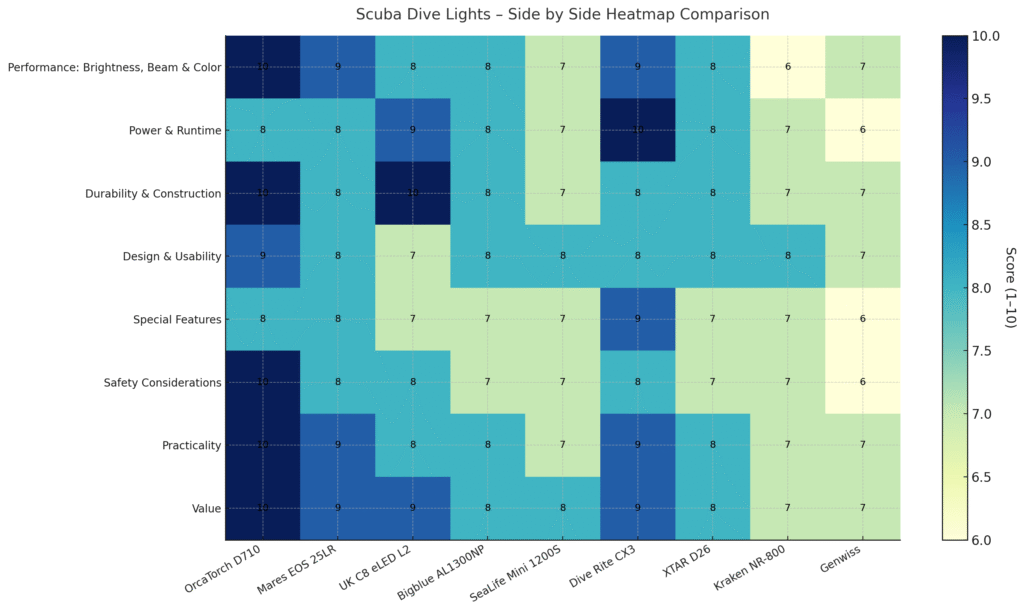
The heatmap reveals clear leaders and laggards in overall performance. The OrcaTorch D710 consistently scores at the top across nearly all benchmarks, followed closely by the Mares EOS 25LR and the Dive Rite CX3, both of which show strong, well-rounded results. In contrast, the Kraken NR-800 and Genwiss lights trail behind, with lower scores in several categories, suggesting limitations in both performance and value. Most other lights, such as the UK C8 eLED L2, Bigblue AL1300NP, and Sealife Mini 1200, hold middle-ground positions, excelling in some benchmarks while showing average results in others.

Performance Leaders
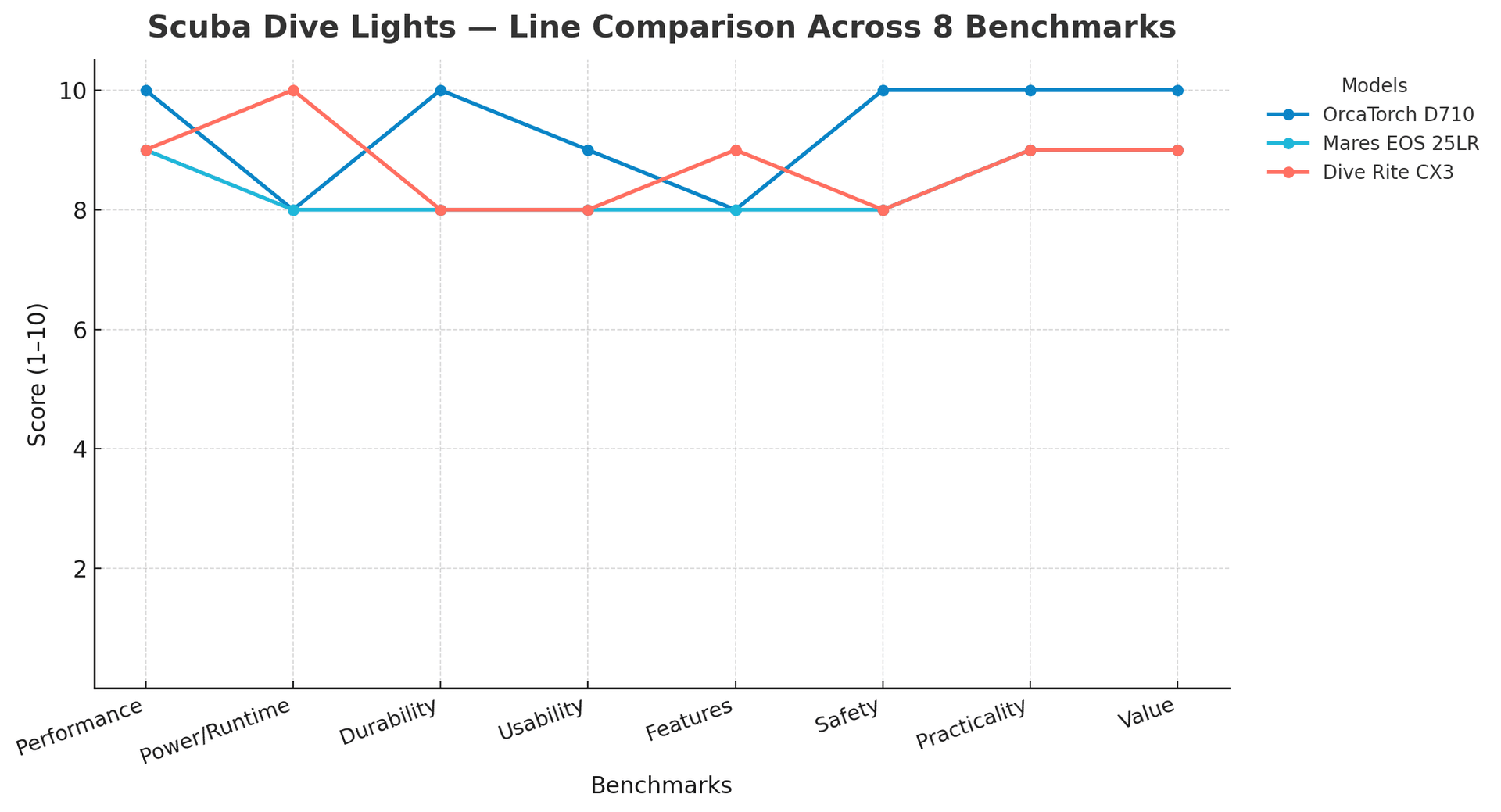
The OrcaTorch D710 stands out as the most balanced performer, scoring 10s across multiple categories like durability, safety, practicality, and value. It sets the benchmark for an all-around high-performing light. The Mares EOS 25LR also performs exceptionally well, particularly in brightness, usability, and practicality, making it another top contender for divers seeking strong, reliable performance. The Dive Rite CX3 excels in power and runtime, as well as special features, highlighting its utility for technical divers who need endurance and flexibility underwater. That said, its cost is almost double the median of the other dive lights featured here, so divers should weigh its premium features against the higher price point.

Mid-Range Performers
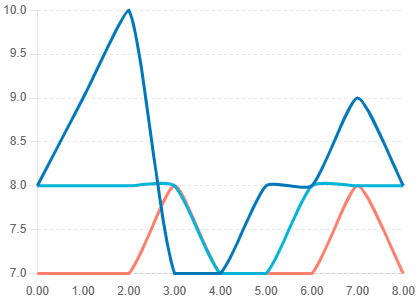
Lights such as the UK C8 eLED L2 and Bigblue AL1300NP offer solid but not standout performance. They deliver respectable scores in brightness, durability, and usability, but don’t dominate any single category. The Sealife Mini 1200 mirrors this pattern, showing decent usability and consistent mid-level ratings across the benchmarks. These models represent “good enough” options for divers who want reliability without chasing top-tier features or prices.
Lower-Tier Options
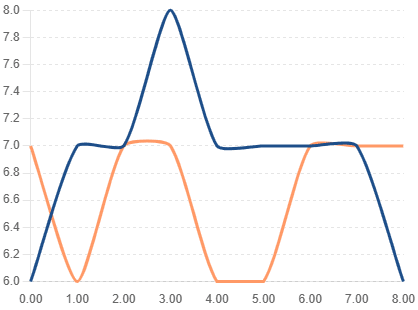
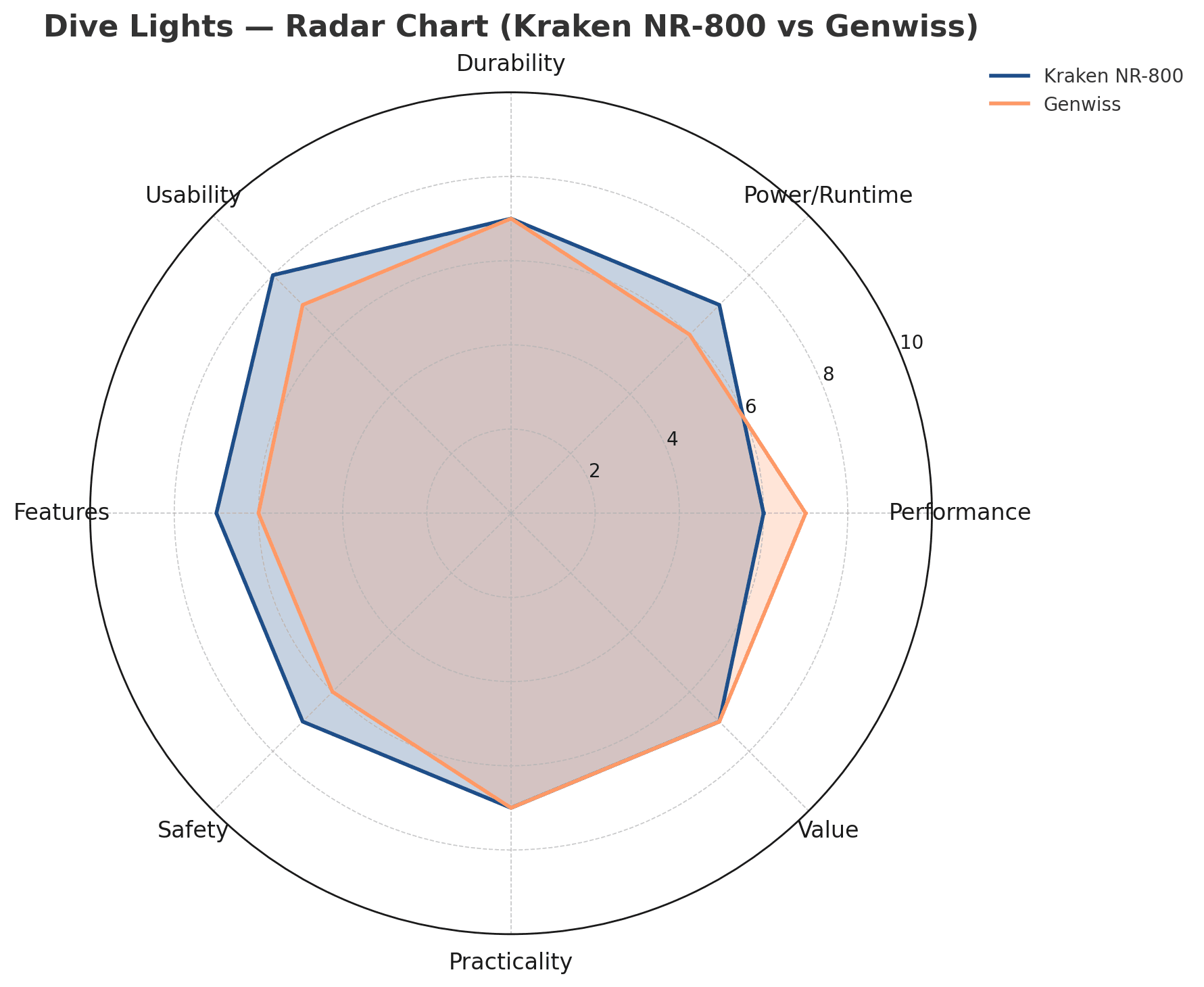
At the lower end, the Kraken NR-800 and Genwiss lights consistently fall short, particularly in performance categories like brightness, power/runtime, and safety considerations. With several scores in the 6–7 range, they indicate limited practical application for serious diving. While they may appeal on cost alone, their lower scores suggest compromises that advanced divers may find restrictive. It’s worth noting, however, that the Kraken NR-800 is priced at less than half the median price of the other dive lights on this list—making it a budget-friendly option for divers who want a true backup without overspending.
📝 Final Thoughts
Recreational Night Divers:
The OrcaTorch D710 and Dive Rite CX3 are top-tier primary lights, while the Mares EOS 25LR and Bigblue AL1300NP are great for their compact size and versatile beams. I typically try to keep the gear consistent throughout my dive bag. It makes maintenance, operation, parts, and service easier. Probably most importantly, familiarity with my equipment stays fresh in my mind. If I were to pick up a backup light from a different manufacturer, the SeaLife Mini 1200 seems like it would be a good option.
Technical/Wreck/Cave Divers:
The Dive Rite CX3 (with its super-long burn time), Bigblue AL1300NP, and UK C8 are the best options.
On a personal note, I’ve had nothing but exceptional interactions with Bigblue’s service department. I own an earlier version of their 9000VTL, and after six years, the battery began losing runtime—not drastically, but noticeably enough to be noticeable. When I contacted Bigblue, they were incredibly supportive and made it easy to get a replacement. That kind of long-term customer support speaks volumes about their brand. They offer narrow, penetrating beams, long burn times, and rugged reliability.
I also had an exceptional experience with Dive Rite’s service department, which was outstanding. I once had an issue with a wing that was completely my fault, and when I reached out, they simply told me, “Send it in.” They fixed it and sent it back—an example of a company standing behind its gear.
I am not affiliated with Bigblue or Dive Rite in any way other than as an ordinary customer, although I would like to be…hint, hint, nudge, nudge. My experiences with both Bigblue and Dive Rite have made this comparison difficult to be objective; however, not impossible.
Instructors & Guides:
The Mares EOS 25LR is perfect for this role, with its unique laser pointer for effortless signaling.
Let me know where I got it wrong. Send me your comments. I am always interested in hearing what others have to say.
As an Amazon Associate, Scuba Insider may earn a small commission from qualifying purchases at no additional cost to the customer.
