

Table of Contents
In Less Than 20-Feet of Water
The 1715 shipwreck treasure diving is a common event in Florida, especially along the treasure coast. Captain Levin Shavers was only seven feet below the surface, fanning sand with his hand, when the first coin appeared.
Then another. And another.
“About 10 excavations in, we found a coin,” Shavers recalls. “So it was just like, what? No way. From there, it was just like, empty hole, another coin, empty hole, another coin, and it turned into this.“[1]
By the end of the 2025 summer season, Shavers and his crew aboard the M/V Just Right had pulled over 1,000 silver reales and five gold escudos from the shallow waters off Vero Beach—a $1 million haul from a shipwreck that’s been sitting in diveable depths for 310 years.2
“The best way I can describe it is if you lose something you really, really like and you’ve almost come to terms with it just never being found again, and then, all of a sudden, it shows up,” Shavers said. “It’s just such an awesome feeling.”[3]
Welcome to Florida’s Treasure Coast, where history isn’t locked in museums—it’s scattered across the ocean floor, waiting for divers willing to search for it.
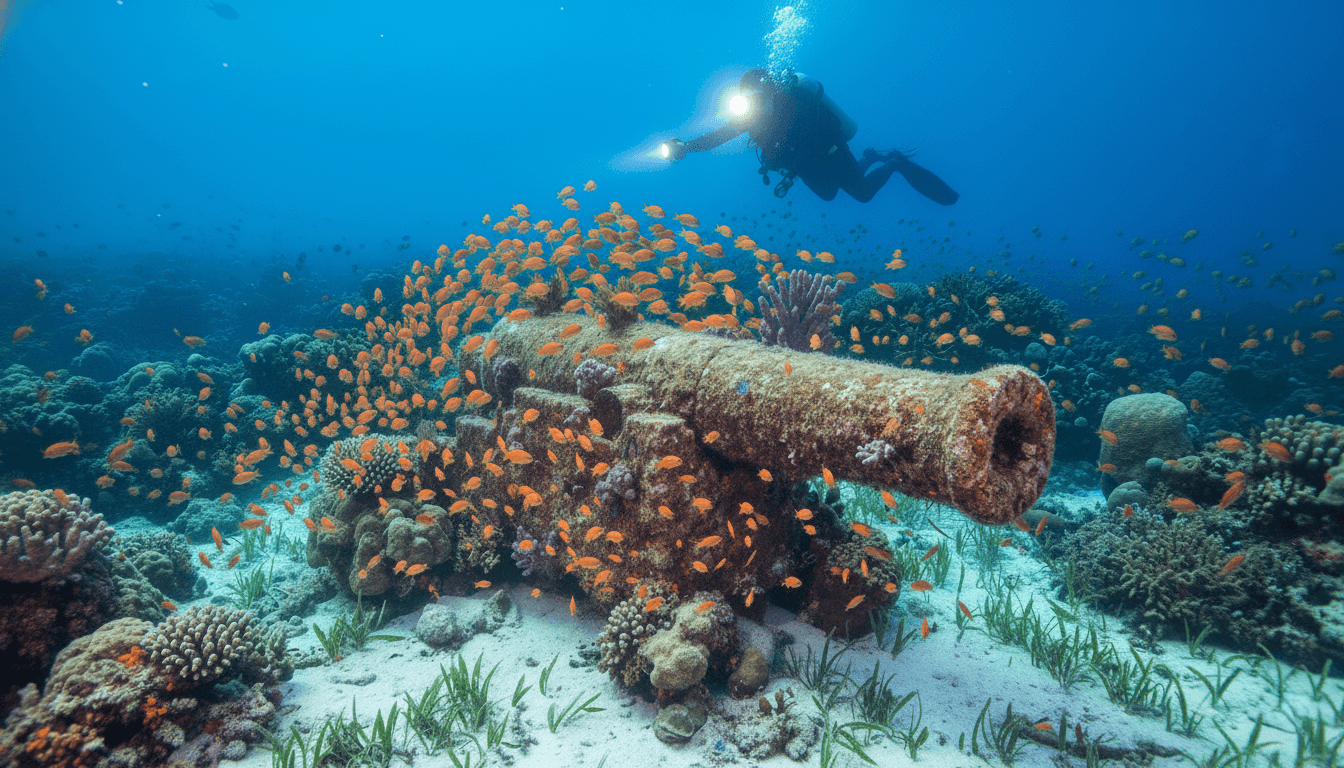
The Wreck: What Happened on July 31, 1715
The 1715 Treasure Fleet—also called the “Plate Fleet” after the Spanish word for silver, plata was actually a combination of two separate Spanish treasure fleets that departed Havana, Cuba, on July 24, 1715.4 Twelve ships in total: eleven Spanish galleons loaded with over 14 million pesos in gold, silver, emeralds, and jewels from the mines of Mexico, Peru, and Bolivia, plus one French escort vessel, Le Grifon.5
Seven days into their voyage, at two in the morning on July 31, a catastrophic hurricane struck off what’s now the Treasure Coast—the stretch between Vero Beach and Sebastian Inlet where the Gulf Stream runs dangerously close to shore.6
The storm lasted six hours. Waves as tall as cathedral spires. Lightning that turned night into strobing daylight. Eleven Spanish ships broke apart on the reefs and sank. Only Le Grifon, whose captain had stayed farther offshore, escaped with his life.7 Approximately 1,500 people died.8
The treasure? It scattered across 50 miles of coastline, from just north of Fort Pierce down to Stuart. And it’s been washing up, sinking deeper, and re-exposing itself ever since.
The Dive Sites: Shallow, Accessible, and Full of History
Here’s what makes the 1715 fleet sites so special for divers: you don’t need technical certifications or rebreathers to explore them.
Most of the wreck sites sit in 7 to 20 feet of water.9 That’s Open Water depths. You could free-dive some of these sites. In fact, Shavers found most of his recent $1 million haul in just seven feet—shallow enough that you could stand up and breathe.10
The known wreck sites include:
- Anchor Wreck (near Wabasso Beach, about 8 miles south of Sebastian Inlet)
- Corrigan’s Beach Wreck (5 miles north of Vero Beach city limits)
- Douglas Beach Wreck (near Fort Pierce)
- Cabin Wreck and several others scattered along the coast
Most are within swimming distance of shore. On calm days, you can see the boats working from the beach.
What You’ll See:
- Coral-encrusted cannons
- Ballast stones forming artificial reefs
- Scattered pottery shards and ship spikes
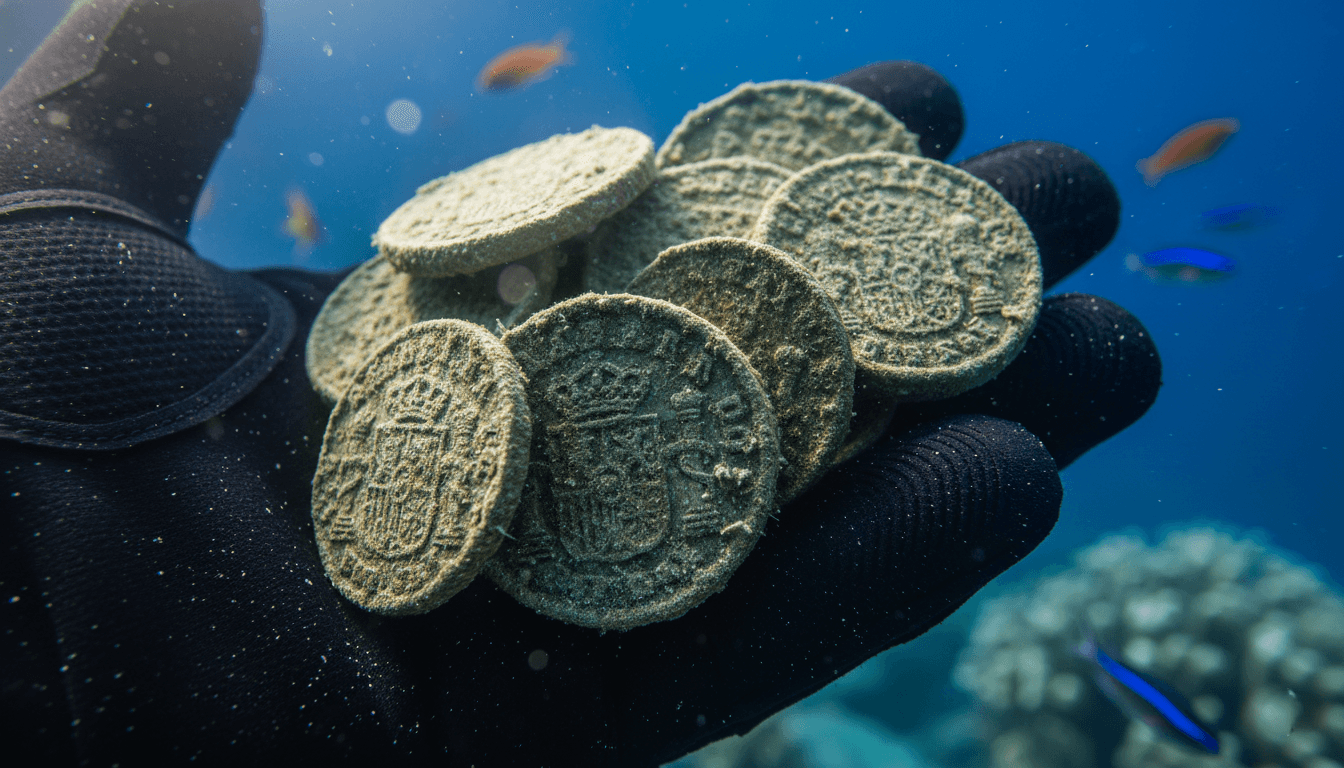
- Occasional coins exposed after storms
- Marine life that’s made the wreckage home for three centuries
The sites aren’t pristine shipwrecks like you’d see in the Caribbean. These are debris fields—imagine a ship exploding in a hurricane, then sitting in a high-energy surf zone for 310 years. The wood is gone. What remains are the heavy objects: cannons, anchors, ballast, and treasure that gets buried, uncovered, and reburied by shifting sands.
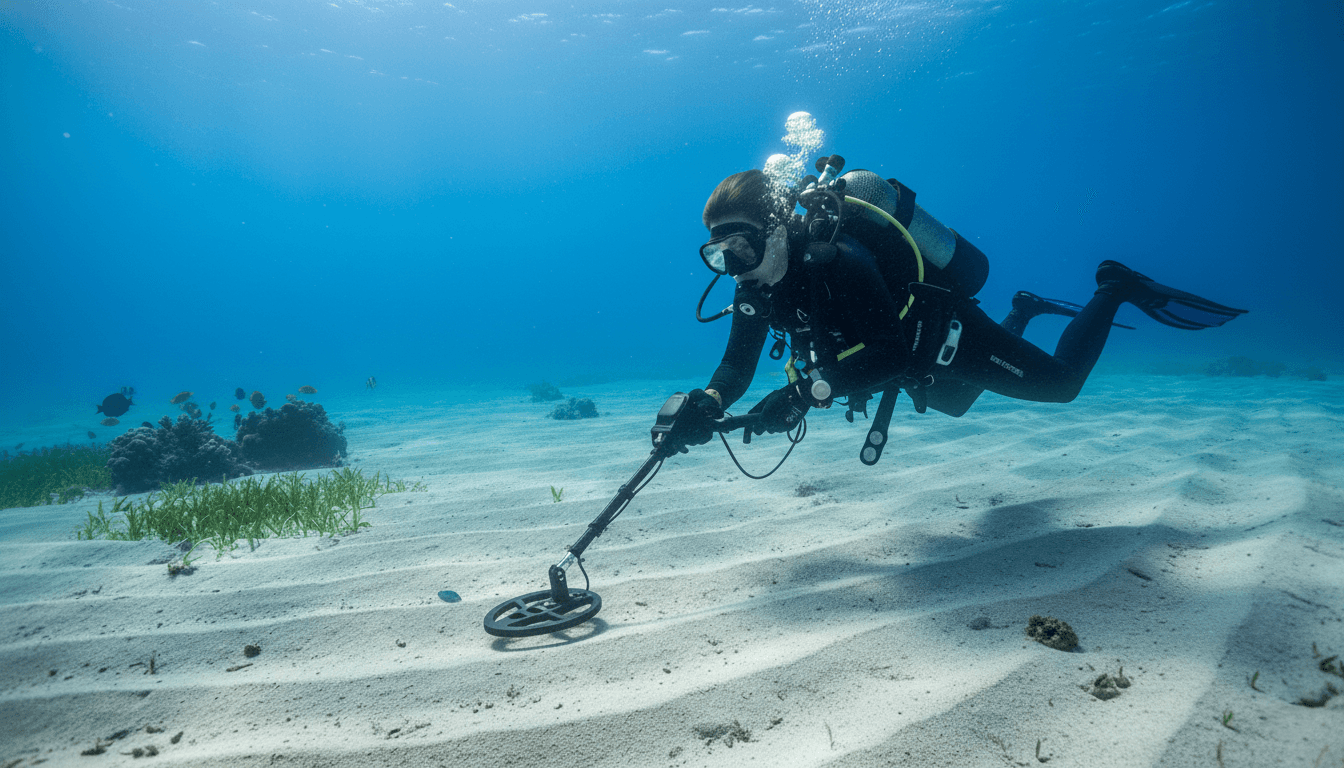
Bottom Composition: Sand, scattered rock, and coral outcroppings. The “excavation” technique that salvors use involves fanning sand or using small blowers to expose artifacts buried beneath 3-5 feet of sediment.
Marine Life: This is Florida, so expect the usual suspects—tarpon, snook, grouper, sea turtles, rays, and the occasional reef shark. The wreck debris creates a structure that fish love.
Best Diving Season: May through September, when seas are calmer and visibility improves. This is when permitted salvage operations run their summer seasons.
Dive Conditions: What to Expect
Visibility: Highly variable. On good days, 20-30 feet. After storms or during rough surf, it can drop to 5-10 feet. Summer generally offers better viz than winter.
Currents: The Gulf Stream runs close to shore here, which means currents can be strong and unpredictable. Even experienced divers need to respect the water. Always check conditions before diving and consider using a surface marker buoy. Always make sure your training is consistent with the dive environment.
Water Temperature:
- Summer (June-September): 80-85°F – comfortable in a 3mm shorty or even a rash guard
- Winter (December-March): 68-75°F – 5mm wetsuit recommended
The Reality of Treasure Hunting: It’s Not All Gold Coins
Mike Perna, a veteran salvor who operates the Mighty Mo, has been working these sites for over 20 years. He’s blunt about what treasure diving actually involves.
“We often say that we’re making a treasure map in reverse,” Perna explained. “As we do the work, and we find or don’t find anything, we put all those dots on the map. Then we can see, over time, where people have been out here doing this.”11
Translation: Most days, you find nothing. Or you find ship spikes. Or pottery shards. Or ballast stones.
“Very rare that you come across something like what we just recently found,” Shavers admitted, “and more often than not, you’re recovering ship spikes, pottery, things like that.”12
But when you do find something? The feeling is indescribable.
“Each coin has a story,” Shavers said. “They’re all different dates. We’ve seen coins from 1698 all the way up to 1714. These coins were being used in the New World. What were they going to purchase on their way home?”13
Many of the coins still bear visible mint marks from Mexico City, Lima, and Potosí. Some are encrusted with the impressions of burlap sacks—evidence that they were stored in chests containing three sacks of about 1,000 coins each.14
“We could potentially be looking at a chest of coins, and with there being two more thousand coin dumps in the area,” Shavers explained.15
On the first day of the 2025 season, Perna’s crew found three gold coins aboard the Mighty Mo. “That’s just unheard of,” Perna said. “It’s hilarious. None of this stuff ceases to amaze me, but then after seeing it all, none of it surprises me.”16
The largest find before 2025 was in 1990—over 1,000 silver coins in one location. Shavers’ 2025 discovery matched that record, marking it as the biggest silver coin recovery in 35 years.17
The Legal Reality: You Can’t Just Keep What You Find
Before you book a flight to Florida with your metal detector, understand this: treasure hunting in Florida waters is heavily regulated, and unauthorized recovery is a felony.18
Here’s how it actually works:
Federal Admiralty Law: 1715 Fleet – Queens Jewels, LLC holds the exclusive salvage rights to the 1715 wreck sites. They’re the U.S. District Court’s custodian of the fleet.19
Florida State Law: All artifacts on state-owned lands or in state waters belong to the state unless recovered under permit. The state retains 20% of all recovered materials for research and public display. The remaining 80% is split between the salvage company and its subcontractors (the divers).20
The Process:
- Salvage company develops detailed inventory of all finds
- State reviews and selects up to 20% to keep
- Federal admiralty court approves the split
- Remaining treasure is distributed to company and crews
If you dive these sites recreationally and find a coin, you cannot legally keep it. Report it, photograph it in place, and notify the salvage company or state authorities.
But Can You Dive the Sites?
Yes! Recreational diving is allowed at many of the 1715 sites. The Urca de Lima became Florida’s first Underwater Archaeological Preserve in 1987 and is specifically designated for recreational diving.21 You can explore the ballast pile, see the anchors, and experience the site—you just can’t take anything.
Several local dive shops offer guided tours during dive season:
- Treasure Coast Divers (Sebastian)
- Deep Six Dive & Watersports (Fort Pierce)
- Island Watersports (Stuart)
Tours typically include historical briefings, GPS coordinates of legal dive sites, and safety protocols for dealing with currents.
Gear Recommendations for Wreck Site Diving
If you’re planning to dive the Treasure Coast wrecks, here’s what experienced local divers recommend:
Essential Gear:
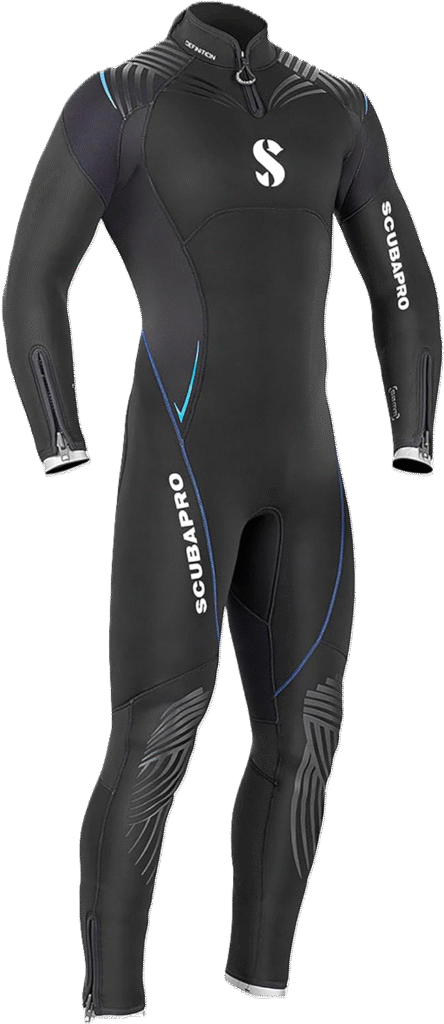
- 3-5mm wetsuit depending on season (even in summer, you’ll do multiple dives)
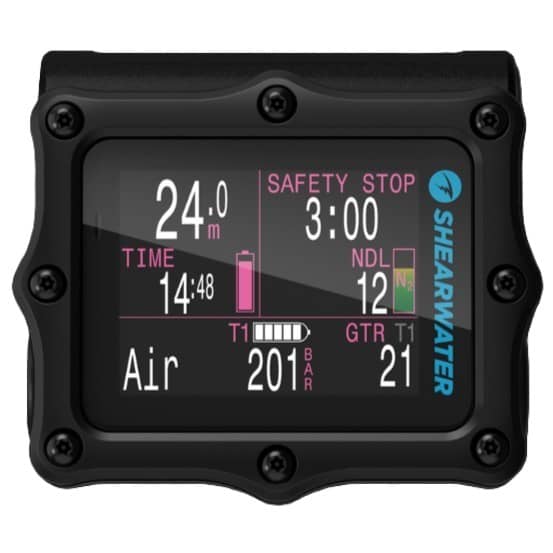
- Dive computer with air integration. Recommended: Shearwater Petrel 3
- Surface marker buoy (SMB) – critical for safety in currents. Recommended: XS Scuba Smart Marker Buoy (SMB)
- Reef gloves – for fanning sand and protecting hands around encrusted metal
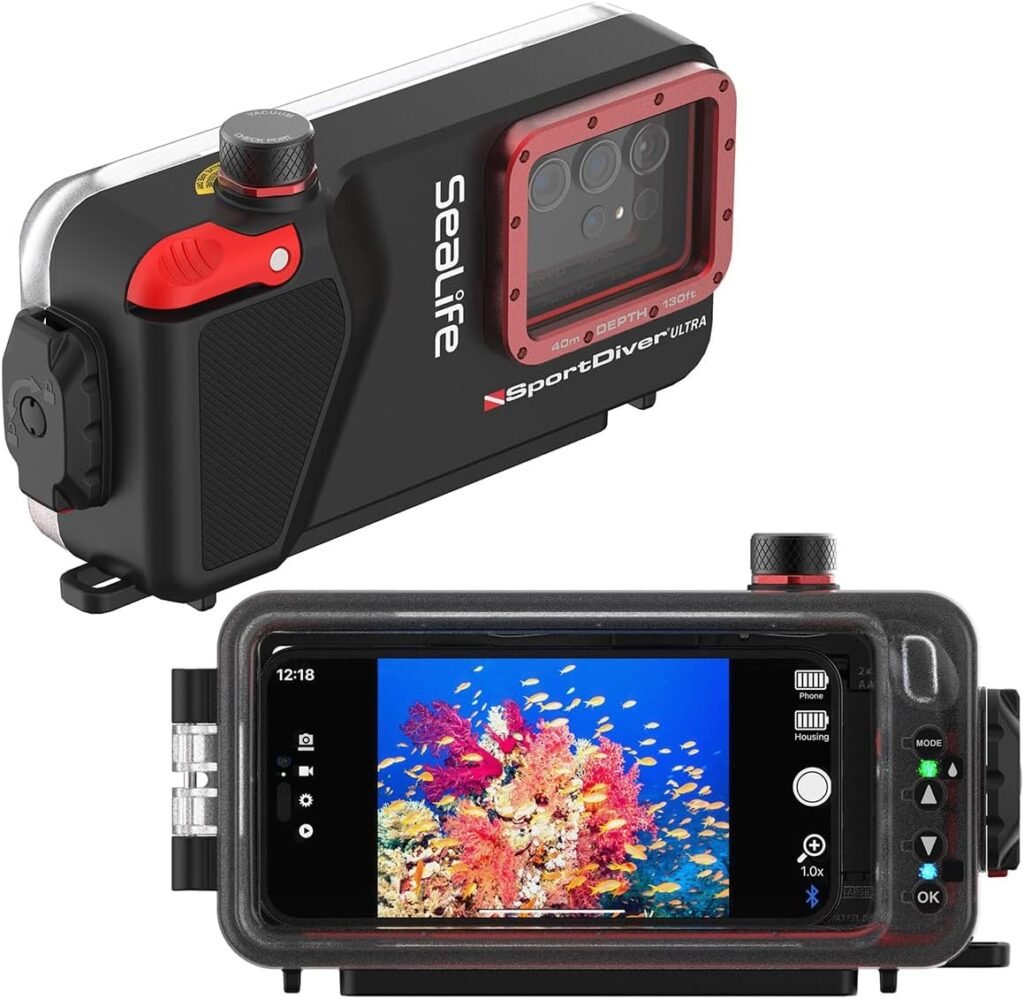
- Underwater camera – document what you see (even if you can’t take artifacts, you can photograph them)
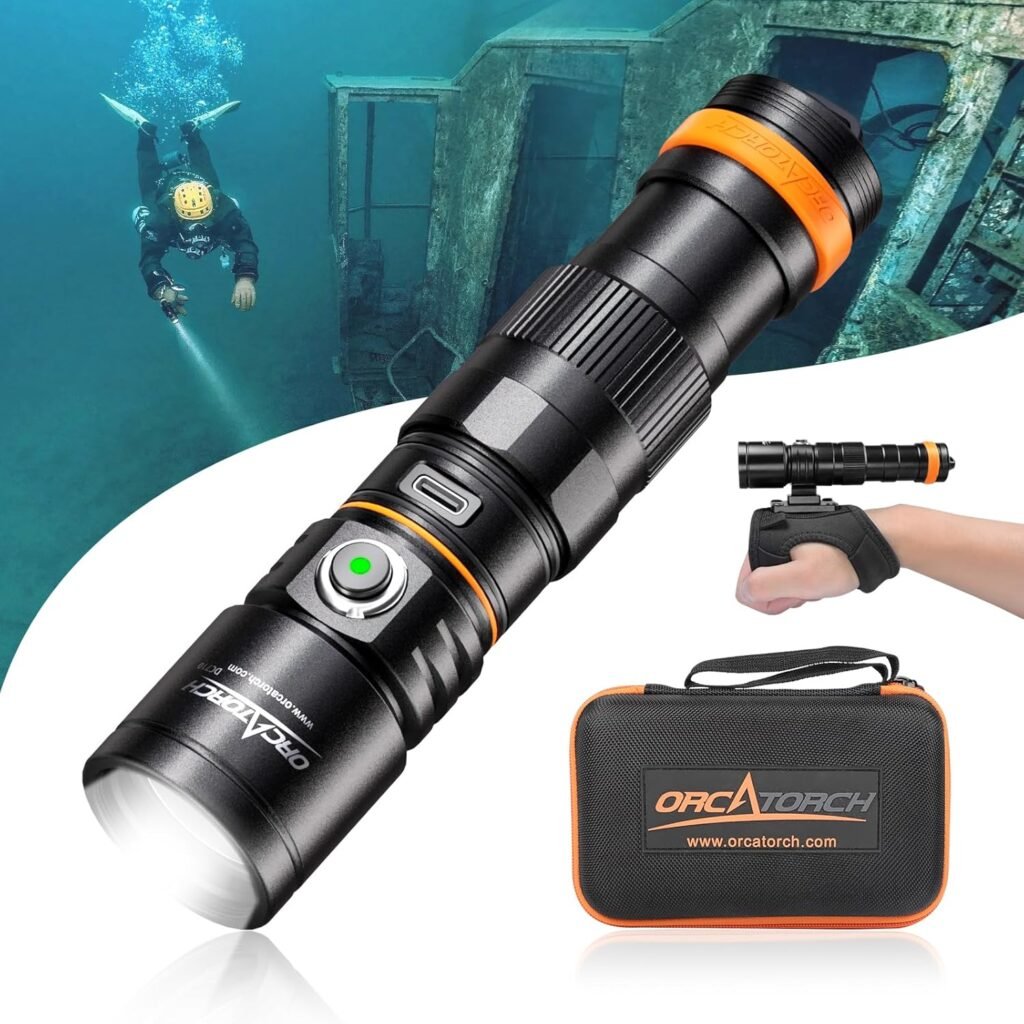
- Dive light – even in daylight, illuminates crevices in ballast piles
- Recommended: ORCATORCH D710 Scuba Diving Light, 3000 Lumens, perfect for wreck exploration. See our buyer’s guide: “The Ultimate 2025 Scuba Dive Light Comparison: 8 Key Factors“
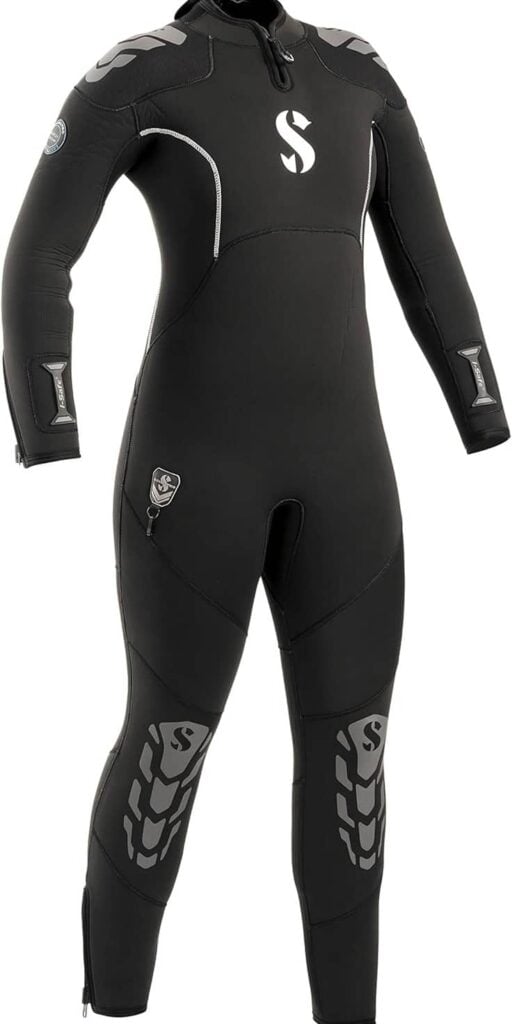
Everflex
Yulex

As an Amazon Associate, Scuba Insider may earn a small commission from qualifying purchases at no additional cost to the customer.
Advanced Options:
- Underwater scooter/DPV – covers more ground, conserves air, fights current.
- Metal detector (for permitted salvors only) – consistently receives high reviews for shallow-water treasure hunting
- GoPro or action camera with red filter for color correction in Florida’s greenish water
Navigation:
- GPS coordinates for the major sites are available through dive shops and historical societies
- Most operators mark sites with buoys during the summer season
- Download offline maps in case you lose signal offshore
What’s Still Out There: The Treasure That Remains
Here’s the mind-blowing part: after the salvage, most of the treasure is still unfound.
“I’ll never finish in my lifetime. We have barely scratched the surface,” Perna said. “The storm took ten minutes to deposit what is taking us years to find.”22
The 1715 fleet carried an estimated $400 million USD in registered cargo (equivalent to today’s purchasing power), but smuggling was rampant, so the real value was likely 30-50% higher.23 Historians estimate that despite centuries of recovery efforts, the majority of the treasure remains buried under shifting sands.
At least five of the eleven ships that sank haven’t been positively identified or located.24
After major hurricanes, coins still wash up on beaches. Beachcombers occasionally find blackened silver reales in the surf after storms churn up the bottom. It’s not uncommon to see people metal detecting the beach at first light after a big weather system moves through.
“Every find helps piece together the human story of the 1715 fleet,” said Sal Guttuso, Director of Operations for Queens Jewels. “We are committed to preserving and studying these artifacts so future generations can appreciate their historical significance.”25
Despite the historic nature of his $1 million find, Shavers remains hungry for more, driven by a passion for history. “A big part of the story is getting to the artifacts; we really are passionate about the history, understanding what we’re finding, and potentially changing what is currently written in the books.”26
The Historical Context: Understanding What You’re Diving
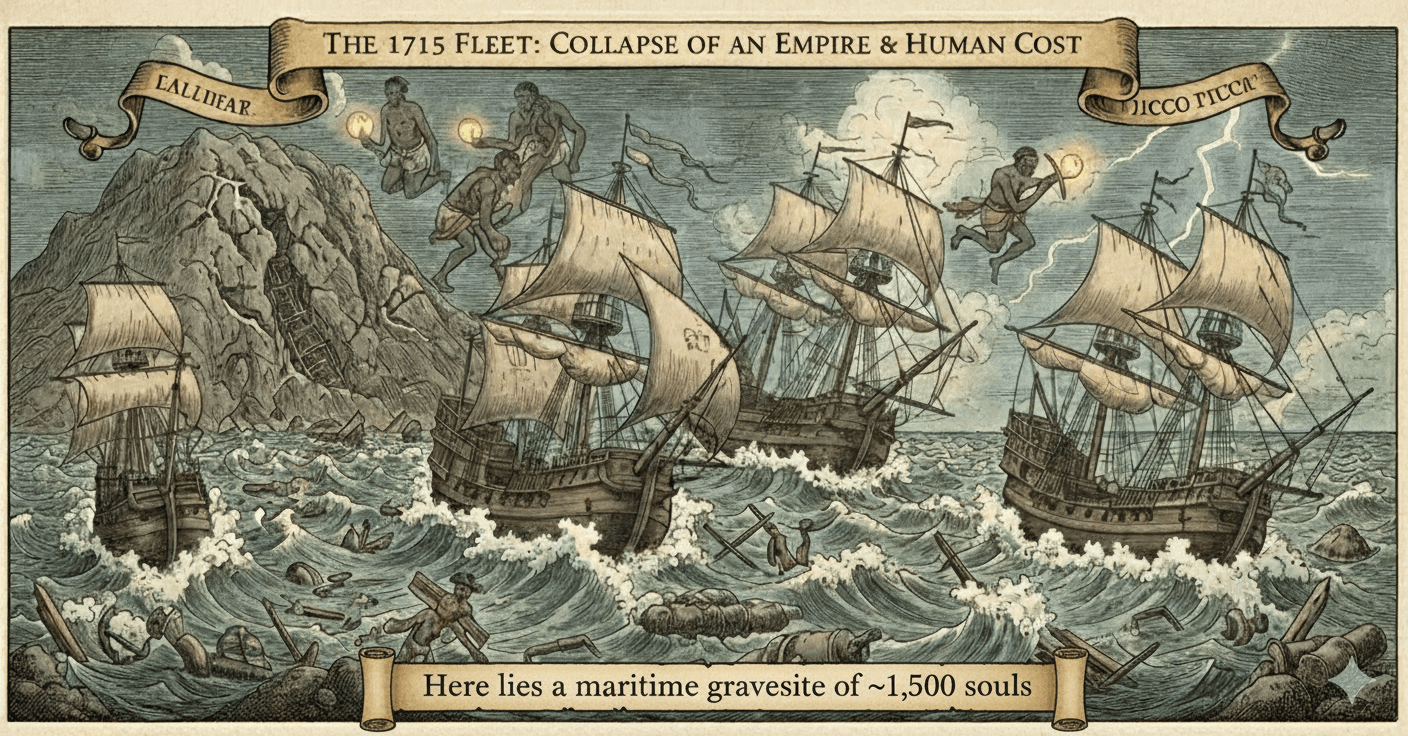
When you dive these sites, you’re not just looking at old wood and cannons. You’re swimming through the gravesite of ~1,500 people and the collapse of an empire.
The 1715 fleet was Spain’s financial lifeline after the devastating War of Spanish Succession (1701-1714).27 King Philip V bet everything on this shipment to stabilize his throne and rebuild trade. Its loss triggered delayed debt payments, weakened naval power, and emboldened rivals.28 The Spanish Empire began its long decline—not from a single battle, but from six hours of wind and wave.
The gold and silver came from forced indigenous and African labor in the mines of Potosí (Bolivia), Zacatecas (Mexico), and Lima (Peru).29 Workers died by the thousands from mercury poisoning, cave-ins, and exhaustion. The mountain of Cerro Rico in Bolivia was so aggressively stripped that it’s now collapsing inward, a geological scar and evidence of colonial greed.
Within weeks of the disaster, Spanish salvage camps sprouted along the coast with makeshift forts where soldiers guarded free divers who recovered tons of silver. Then pirates arrived. Henry Jennings, a Jamaican privateer-turned-pirate, raided the camps in 1716 and stole 120,000 pesos in recovered treasure.30
Every coin represents not just wealth, but human suffering, imperial ambition, and the random violence of nature that redistributed it all in one terrible night.
Where to Dive 1715 Treasure & Stay: Planning Your Treasure Coast Trip
Base Camp Locations:
- Sebastian – Heart of the treasure hunting world. Close to most wreck sites. Dive-friendly accommodations
- Vero Beach – More upscale, excellent restaurants, cultural attractions
- Fort Pierce – Budget-friendly, close to Douglas Beach Wreck
Topside Attractions:
- Mel Fisher’s Treasure Museum (Sebastian) – Recovered artifacts including gold chains, emeralds, silver bars with Spanish tax stamps
https://youtu.be/rq4vn9cNXtg
- McLarty Treasure Museum (Vero Beach) – Built on the site of the 1715 Spanish salvage camp

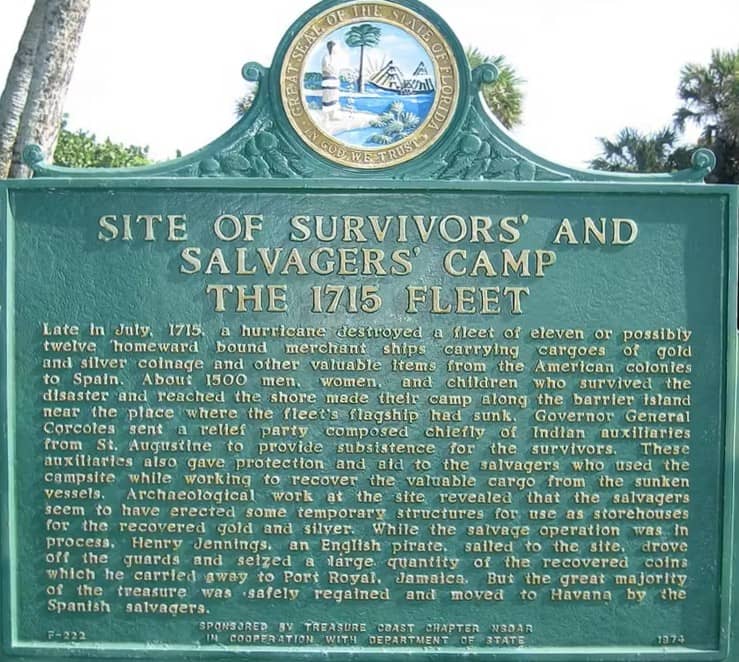
- Sebastian Inlet State Park – Beach access to wreck sites, excellent fishing
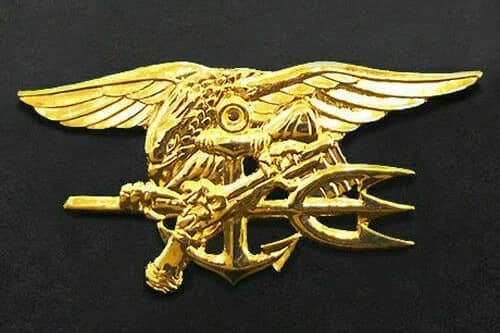
- UDT-SEAL Museum (Fort Pierce) – Navy history, interesting for tech divers
The Diver’s Perspective: Why This Matters
Most people will never dive a 300-year-old shipwreck. Most people will never hold a coin that was minted in 1698 and carried across an ocean by someone who drowned in a hurricane.
But if you’re reading this, you’re not most people. You’re a diver. You understand that the best stories happen underwater. That history isn’t abstract when you can touch it. That there’s magic in descending into blue water and finding something no one has seen in three centuries.
“This discovery is not only about the treasure itself, but the stories it tells,” Guttuso said. “Each coin is a piece of history, a tangible link to the people who lived, worked, and sailed during the Golden Age of the Spanish Empire. Finding 1,000 of them in a single recovery is both rare and extraordinary.”31
You won’t find gold on every dive. You probably won’t find gold on any dive. But you’ll explore authentic shipwreck sites in shallow, accessible water. You’ll see the cannons that once defended Spain’s treasure fleet. You’ll understand the power of the ocean to both preserve and destroy. And you’ll swim through a graveyard where empires collided with nature, and nature won.
“Each coin has a story,” Shavers reminds us. “What were they going to purchase on their way home?”32
They never made it home. But 310 years later, divers are still bringing them back to the light.
Getting Started: Your First Treasure Coast Dive
Prerequisites:
- Open Water certification minimum
- Boat diving experience recommended, if you’re not shore diving
- Comfortable with limited visibility
- Strong swimming skills (currents can be challenging)
What to Bring:
- Current certification card
- Logbook
- Dive computer
- SMB and reel
- Underwater camera
- Wetsuit appropriate for the season
- Reef gloves
- Sense of adventure
First Timer Tips:
- Book with a local dive operator who knows the sites
- Start with the Urca de Lima Preserve—it’s marked, protected, and perfect for getting oriented
- Go in summer for best conditions
- Bring an underwater slate to take notes on what you see
- Don’t touch or remove anything—just look, photograph, and appreciate
- Check surf reports and current forecasts before every dive
- Don’t forget to get your dive insurance, see DAN above
- Always dive with a buddy who knows the area
Want to Get Involved in Salvage?
Queens Jewels sometimes hires experienced divers as subcontractors. Requirements typically include:
- Extensive open water diving experience
- Knowledge of underwater metal detection
- Physical fitness for long days in the surf
- Understanding of maritime archaeology protocols
- Clean record (remember, artifact theft is a felony)
Contact them through their website if you’re serious about turning treasure diving into a hobby or a career.
Also, Mel Fisher’s crew used to (and may still) allow volunteers to assist with treasure-hunting operations.
The Last Word: Treasure Is Where You Find It
As Shavers put it after finding seven feet of water yielding a million dollars in coins: “Treasure’s where you find it.”33
Three hundred ten years after the hurricane, the ocean still refuses to let go. Every silver coin pulled from the sand is a reminder that empires are temporary, but the sea is forever. That human ambition—to conquer, extract, and hoard—can be shattered in six hours by wind and wave.
At least five ships remain unfound. Thousands of coins still rest beneath the sand. And every storm season, the ocean rearranges the bottom, exposing new sections of wreckage.
The 1715 fleet isn’t history. It’s an ongoing conversation between past and present, conducted in saltwater and sunlight, waiting for divers willing to listen.
Somewhere off Vero Beach, in water shallow enough to snorkel, another coin is waiting.
Will you be the one to find it?
Ready to dive the Treasure Coast? Tag a dive buddy and start planning your trip.
Notes on Sources and Contradictions
During research for this article, several contradictions appeared across sources. Here’s how we resolved them:
Why These Contradictions Matter
For treasure hunters, archaeologists, and diving historians, these details matter significantly:
- Accurate depth information affects dive planning and safety
- Ship count clarification helps understand the scope of the disaster
- Death toll accuracy honors the human tragedy behind the treasure
- Distinguishing between gold and silver finds provides context for discovery significance
- Understanding smuggled cargo explains why recovery estimates vary
We cross-referenced multiple primary sources, interviewed salvage operators when possible, and prioritized information from:
- The 1715 Fleet Society (historical preservation organization)
- 1715 Fleet – Queens Jewels, LLC (current salvage rights holder)
- Peer-reviewed archaeological publications
- Direct quotes from salvors involved in recent discoveries
- Historical Spanish maritime records
When contradictions remained unresolvable, we noted both versions and explained which we used in the article and why.
Dive Season: May through September offers the best conditions. Book accommodations early, as the treasure season is also the tourist season.
FAQs
Can I dive the 1715 treasure wreck sites?
Yes, you can dive the 1715 wreck sites recreationally in public waters off Florida’s Treasure Coast, but you cannot legally remove any artifacts. Several sites have active salvage leases, and taking coins or artifacts without permits carries heavy fines and potential felony charges under Florida law. Many dive operators offer guided tours where you can explore these historical wreck areas legally.
How deep are the 1715 shipwrecks?
The 1715 shipwrecks sit in shallow water between 7 to 30 feet deep. The recent 2025 discovery occurred in just 7 feet of water, making these sites accessible to snorkelers and beginner divers. Some deeper debris fields extend to 40-50 feet, but most finds happen in water shallow enough to stand in.
What diving certification do I need for the 1715 wrecks?
An Open Water certification is sufficient for shallow sites under 20 feet. However, Advanced Open Water or Rescue Diver certification is recommended for independent exploration due to strong currents, limited visibility (10-20 feet), and shifting sand conditions on the Treasure Coast.
What is the best time to dive the Treasure Coast for treasure hunting?
May through September offers the calmest seas, warmest water (78-84°F), and best visibility for diving the Treasure Coast. This is peak treasure hunting season. October through April brings rougher seas but post-storm conditions can expose new artifacts by shifting sand.
Have all the coins from the 1715 fleet been found?
No, less than 20-25% of the 1715 treasure has been recovered in 310 years. The ships carried approximately 14 million silver pesos and unknown quantities of smuggled gold. Storm surge continues to expose new finds every year, and Captain Shavers’ 2025 discovery of over 1,000 coins proves million-dollar hauls are still possible.
What happens if I find a coin while diving in Florida?
Do not pick it up. Mark the GPS location and report it immediately to the Florida Department of Historical Resources (FDHR). Taking any artifact without a permit is illegal and can result in criminal charges, even if you accidentally find a single coin while recreational diving.
Tab TitleCan I get a treasure hunting permit in Florida?
Florida FDHR salvage permits are extremely difficult to obtain for individuals. Most leases are held by established salvage companies with significant financial backing, archaeological expertise, and expensive equipment. Most recreational divers join existing permitted operations as crew members or investors.
Where are the 1715 shipwreck dive sites located?
The main 1715 wreck sites include: Urca de Lima (Fort Pierce), Cabin Wreck (Sebastian Inlet), Corrigan’s Wreck (Vero Beach), Rio Mar (Vero Beach), and Colored Beach (Vero Beach). The Urca de Lima is designated as an Underwater Archaeological Preserve with mooring buoys.
Why do coins still wash ashore 300 years later?
Storm surge, hurricanes, and strong currents continually shift sand on the ocean floor, uncovering artifacts buried for decades and reburying recently exposed items. Some coins scattered miles from original wreck sites. The dynamic ocean floor means “new” discoveries are old artifacts finally seeing daylight again.
What is the most valuable treasure found from the 1715 fleet recently?
Captain Shavers’ 2025 discovery of over 1,000 coins valued at approximately $1 million is the most significant recent find. The five gold escudos are particularly valuable, with single 8-escudo “Royal” gold coins fetching $50,000-$200,000+ at auction depending on condition and rarity.
Can I metal detect on Florida beaches for treasure?
Yes, metal detecting on Florida beaches above the mean high-tide line is generally legal without permits. Spanish coins occasionally wash ashore after storms, especially hurricanes. However, removing anything below the waterline requires permits. Check local county and city ordinances for specific restrictions.
Where can I see recovered treasure from the 1715 fleet?
You can see 1715 Fleet artifacts at: McLarty Treasure Museum (Sebastian), Mel Fisher’s Treasures (Sebastian & Key West), Vero Beach Museum of Art, and UDT-SEAL Museum (Fort Pierce). The McLarty Museum is built on the original Spanish salvage camp site.
Are there sharks at the 1715 wreck sites?
Yes, the wreck sites have harmless species like nurse sharks, blacktips, and occasional bull sharks. Shark incidents are extremely rare. The bigger diving concerns are boat traffic, strong currents, and low visibility. Always dive with a buddy and use a surface marker buoy.
What diving equipment do I need for the 1715 wreck sites?
For recreational diving you need: standard scuba or snorkel gear, wetsuit (recommended year-round), strong fins for currents, surface marker buoy (SMB) for boat traffic safety, dive flag if shore diving, and reef-safe sunscreen. Underwater cameras are recommended for documenting finds without touching them.
Is treasure hunting a viable career?
Treasure hunting as a career is extremely difficult. Even experienced salvage operations go years without significant finds. It requires massive capital investment for boats, equipment, permits, crew, and fuel, plus extensive historical research and archaeological training. Most professional treasure hunters work other jobs and hunt seasonally.
Transparency matters.
Behind the toggle, you’ll find direct links to the reports, research papers, and expert sources that shaped this story. We encourage readers and divers alike to explore these materials and see how evidence and expertise guide every article we publish.
Footnotes & References
Footnotes
Bibliography
1. Yahoo News, “Salvors Working Off Treasure Coast.” ↩
2. 1715 Fleet – Queens Jewels, LLC, “Over 1,000 Silver and Gold Coins Recovered.” ↩
3. Live5News, “Salvage Crew Finds $1 Million Treasure.” ↩
4. Archaeology News Online Magazine, “Over 1,000 Silver and Gold Coins.” ↩
5. 1715 Fleet Society, “The 1715 Spanish Plate Fleet.” ↩
6. History.com, “Hurricane Sinks Spanish Treasure Ships.” ↩
7. Ancient Origins, “$1M Treasure Cache Found.” ↩
8. Ancient Origins, “$1M Treasure Cache Found.” ↩
9. Visit Indian River County, “1715 Spanish Fleet Treasure.” ↩
10. CBS12, “Diver Speaks About Finding Over 1,000 Gold and Silver Coins.” ↩
11. Yahoo News, “Salvors Working Off Treasure Coast.” ↩
12. CBS12, “Diver Speaks About Finding Over 1,000 Gold and Silver Coins.” ↩
13. Kuta, “Divers Recover More Than $1 Million.” ↩
14. Ancient Origins, “$1M Treasure Cache Found.” ↩
15. Yahoo News, “Salvors Working Off Treasure Coast.” ↩
16. Yahoo News, “Salvors Working Off Treasure Coast.” ↩
17. 1715 Fleet Society, “October 2025 — Treasure of the Month.” ↩
18. Florida Department of State, “Underwater Archaeology.” ↩
19. 1715 Fleet Society, “October 2025 — Treasure of the Month.” ↩
20. CNN, “Excavators Find $1 Million.” ↩
21. Mel Fisher Maritime Museum, “History of the 1715 Fleet.” ↩
22. Good News Network, “This Shipwreck Is ‘Treasure Fleet’ from 1715.” ↩
23. Ancient Origins, “$1M Treasure Cache Found.” ↩
24. Kuta, “Divers Recover More Than $1 Million.” ↩
25. E! Online, “Treasure Hunters Find $1 Million in Coins.” ↩
26. CBS12, “Diver Speaks About Finding Over 1,000 Gold and Silver Coins.” ↩
27. Kamen, Philip V of Spain, 178-201. ↩
28. 1715 Fleet Society, “The 1715 Spanish Plate Fleet.” ↩
29. Bakewell, A History of Latin America, 87-124. ↩
30. Cordingly, Under the Black Flag, 143-156. ↩
31. 1715 Fleet Society, “October 2025 — Treasure of the Month.” ↩
32. Kuta, “Divers Recover More Than $1 Million.” ↩
33. CBS12, “Diver Speaks About Finding Over 1,000 Gold and Silver Coins.” ↩
- 1715 Fleet – Queens Jewels, LLC. “Over 1,000 Silver and Gold Coins Recovered from the 1715 Treasure Fleet Shipwrecks Valued at $1,000,000!” Accessed October 14, 2025. https://www.1715treasurefleet.com/single-post/over-1-000-silver-and-gold-coins-recovered-from-the-1715-treasure-fleet-shipwrecks-valued-at-1-000.
- 1715 Fleet Society. “October 2025 — Treasure of the Month.” October 2025. https://1715fleetsociety.com/october-2025-treasure-of-the-month/.
- 1715 Fleet Society. “The 1715 Spanish Plate Fleet: The Bank of King Philip V—Treasure Coast Branch.” Accessed October 14, 2025. https://1715fleetsociety.com/the-1715-spanish-plate-fleet-the-bank-of-king-philip-v-treasure-coast-branch/.
- Ancient Origins. “$1M Treasure Cache Found in 1715 Spanish Fleet Wreck.” October 2025. https://www.ancient-origins.net/news-history-archaeology/spanish-treasure-1715-00102182.
- Archaeology News Online Magazine. “Over 1,000 Silver and Gold Coins Recovered from the Legendary 1715 Spanish Treasure Fleet.” October 2025. https://archaeologymag.com/2025/10/silver-and-gold-coins-from-spanish-treasure-fleet/.
- Bakewell, Peter. A History of Latin America: Empires and Conflicts. London: Routledge, 1997.
- CBS12. “Diver Speaks About Finding Over 1,000 Gold and Silver Coins in Sebastian Worth $1M.” October 3, 2025. https://cbs12.com/news/local/diver-speaks-about-finding-over-1000-silver-coins-in-sebastian-treasure-coast-diver-spanish-shipwreck-that-sank-in-1715-indian-river-county-october-3-2025.
- CNN. “Excavators Find $1 Million in Gold Coins from Spanish Shipwreck Along Florida’s ‘Treasure Coast’.” October 3, 2025. https://edition.cnn.com/2025/10/03/science/spanish-shipwreck-florida-treasure-coast-intl-scli.
- Cordingly, David. Under the Black Flag: The Romance and the Reality of Life Among the Pirates. New York: Random House, 1995.
- Elliott, J. H. Empires of the Atlantic World: Britain and Spain in America, 1492-1830. New Haven: Yale University Press, 2006.
- E! Online. “Treasure Hunters Find $1 Million in Coins from 1715 Shipwreck.” October 2025. https://www.eonline.com/news/1423320/treasure-hunters-find-s1-million-in-coins-from-1715-shipwreck.
- Florida Department of State – Division of Historical Resources. “Underwater Archaeology.” Accessed October 14, 2025. https://dos.myflorida.com/historical/preservation/underwater-archaeology/.
- Good News Network. “This Shipwreck Is ‘Treasure Fleet’ from 1715 with $1 Million in Gold and Silver Coins Recovered.” October 2025. https://www.goodnewsnetwork.org/this-shipwreck-is-treasure-fleet-from-1715-with-1-million-in-gold-and-silver-coins-recovered/.
- History.com. “Hurricane Sinks Spanish Treasure Ships.” Accessed October 14, 2025. https://www.history.com/this-day-in-history/july-31/hurricane-sinks-spanish-treasure-ships.
- Kamen, Henry. Philip V of Spain: The King Who Reigned Twice. New Haven: Yale University Press, 2001.
- Kuta, Sarah. “Divers Recover More Than $1 Million Worth of Gold and Silver Coins From 310-Year-Old ‘Treasure Fleet’ Shipwrecks.” Smithsonian Magazine, October 2025. https://www.smithsonianmag.com/smart-news/divers-recover-more-than-1-million-worth-of-gold-and-silver-coins-from-310-year-old-treasure-fleet-shipwrecks-180987434/.
- Lavietes, Matt. “$1M Worth of Coins Recovered in Spanish Shipwreck Off Florida Coast, Treasure Hunters Say.” NBC News, October 2, 2025. https://www.nbcnews.com/news/us-news/1m-coins-recovered-spanish-shipwreck-florida-coast-treasure-hunters-sa-rcna235173.
- Live5News. “Salvage Crew Finds $1 Million Treasure on 300-Year-Old Shipwreck.” October 1, 2025. https://www.live5news.com/2025/10/01/salvage-crew-finds-1-million-treasure-300-year-old-shipwreck/.
- Marley, David. Wars of the Americas: A Chronology of Armed Conflict in the New World. Santa Barbara: ABC-CLIO, 2010.
- Mel Fisher Maritime Museum. “History of the 1715 Fleet.” Accessed October 14, 2025. https://www.melfisher.com/salvageoperations/1715ops/1715history.asp.
- National Maritime Museum. “Galleons and Treasure Fleets.” Accessed October 14, 2025. https://www.rmg.co.uk/stories/topics/spanish-galleons-treasure-fleets.
- National Park Service. “Spanish Treasure Shipwrecks.” 2006. https://www.nps.gov/subjects/teachingwithhistoricplaces/upload/Twhp-Lessons_Spanish-Treasure-Shipwrecks2006.pdf.
- Visit Indian River County. “1715 Spanish Fleet Treasure.” Accessed October 14, 2025. https://visitindianrivercounty.com/1715-spanish-fleet-treasure/.
- Yahoo News. “Salvors Working Off Treasure Coast Find Over 1,000 Coins from 1715 Treasure Fleet Shipwreck.” October 2025. https://www.yahoo.com/news/articles/salvors-working-off-treasure-coast-140124008.html.
