
Why so many “Left at Sea” Stories Lately?
I have always heard that being left behind is a “thing,” but I understood it to only occur once or twice a year, and usually by less-than-professional dive boat operators.
During this month alone, there have been two cases: a Russian diver spent 24 hours drifting off Sakhalin Island, ultimately being rescued 15 km from shore after improvising a fin-flag to signal passing vessels and a Moroccan diver near Morocco was left and drifted almost 100 km north across the Mediterranean, rescued ~48 hours, rescued by Spain’s Salvamento Marítimo.
This leaves me wondering: How often is this happening?
Scuba Diving Safety: Understanding the Risk of Being “Left at Sea”
A dive into the archives (pun intended) reveals a detailed history of dive safety incidents. Since 1998, there have been at least 19 documented cases involving 61 divers who were left at sea.
It’s important to stress that this article is not meant to scare anyone away from the sport. In fact, scuba diving is widely recognized as a safe activity when compared to other adventure sports. According to available data, the fatality rate for scuba diving is about 1.8 per million dives — significantly lower than activities often perceived as more dangerous:
- Base jumping: 1 fatality per 2,317 jumps
- Horseback riding: 128 fatalities per 100,000 participants
- Marathon running: 1 fatality per 149,968 participants
How Rare Is Being Left at Sea?
The idea of being abandoned in open water may sound terrifying, but in reality, the risk is exceedingly rare compared to other diving hazards. Research shows that the most common causes of scuba diving fatalities are:
- Insufficient gas: 41% of cases
- Medical incidents (such as cardiac events, often among divers over age 40): 25% of cases
- Entrapment: 20% of cases
- Buoyancy problems. See our article:
Master Buoyancy Control: The Ultimate Guide for Beginners
Key Takeaway: Scuba Diving Is Safe With Proper Training
While the thought of being “left at sea” makes headlines, it represents only a tiny fraction of dive risks. The greatest threats to divers are largely avoidable through:
- Proper dive training
- Thorough equipment checks
- Adherence to established dive safety protocols
By focusing on safe scuba practices, divers can significantly reduce risks and enjoy the ocean with confidence.
The Missing Numbers: What Statistics Really Show
The answer? Well, we don’t actually know.
- There are no central international database tracking divers left at sea.
- Divers Alert Network (DAN) collects voluntary reports but admits that fatality reporting is inconsistent.
- Master Liveaboards concluded bluntly: “No one really knows how often scuba divers get left behind”.
- In 2025, DAN began reviewing such cases, but results have not yet been published
Of all the hours of research conducted for this article, this is my favorite quote. After being stranded at sea and kicking toward shore for seven hours, a dive boat finally saw Ozburn in the water and approached. A fellow diver called out to him, asking, “Hey, you need a ride?” Ozburn said. (June 2019 – Pensacola, Florida, USA)
Stories from the Sea: Case-by-Case Breakdowns
Of the 19 documented cases below involving 61 divers, I thought it was interesting to break them down in a couple different ways:
By Geographic Region
- Australia / Oceania: Great Barrier Reef (1998, 2008, 2016), Mana Island NZ (2006), Rottnest Island (2025), Palau (2024)
- Southeast Asia: Komodo (2008), Similan Islands (2009), Tioman (2012), Bali (2014), Mersing (2022)
- North America: Key Largo (2000), Gulf of Mexico (2018), Pensacola (2019), Matagorda (2024), Hawaiʻi (2024), Frying Pan Shoals (2023)
- Europe / Russia: Costa del Sol, Spain (2025), Tatar Strait, Sakhalin (2025)
By Time Period / Evolution of Safety
- 1990s–2000s (1998–2009): Early cases with limited GPS / DSMB protocols
- 2010s (2012–2019): Better technology, but operator errors still common
- 2020s (2022–2025): Modern tech, yet divers still abandoned — human factors remain
By Outcome Severity
By Dive Type
Fatalities / Missing Divers
- January 1998 – Great Barrier Reef, Australia
- February 2014 – Bali, Indonesia
- April 2022 – Mersing, Johor, Malaysia
Tally: 3 incidents / 5 divers
Near-Miss Rescues
- February 2000 – Key Largo, Florida, USA
- February 2006 – Mana Island, New Zealand
- April 2008 – Great Barrier Reef, Australia
- June 2008 – Komodo National Park (Rinca), Indonesia
- March 2009 – Similan Islands, Thailand
- June 2012 – Tioman Island, Malaysia
- February 2014 – Bali, Indonesia
- January 2016 – Bundaberg, Queensland, Australia
- August 2018 – Gulf of Mexico, Florida, USA
- June 2019 – Pensacola, Florida, USA
- April 2022 – Mersing, Johor, Malaysia
- August 2023 – Frying Pan Shoals, North Carolina, USA
- July 2024 – Matagorda, Texas, USA
- November 2024 – Oahu, Hawaii
- December 2024 – Peleliu Corner, Palau
- August 2025 – Tatar Strait, Sakhalin, Russia
- August 2025 – Costa del Sol, Spain
Tally: 17 incidents / 55 divers
Short Recovery / No Harm
- ~May 2015 – Rottnest Island, Western Australia
- ~May 2017 – Hillarys, Perth, Australia
- March 2025 – Rottnest Island, Western Australia
Tally: 3 incidents / 5 divers
Totals (1998–2025)
-
Fatalities / Missing: 5 divers
-
Near-Miss Rescues: 55 divers
-
Short Recovery / No Harm: 5 divers
-
Total: 65 divers across 21 incidents
- Reef Dives – GBR, Bali, Mersing, Palau
- Drift Dives – Komodo, Similan, Frying Pan Shoals
- Wreck Dives – Pensacola, Matagorda
- Island / Coastal Sites – Key Largo, Tioman, Costa del Sol
How to Avoid Being Left Behind
Before the Dive: Prevention is Key
Choose a Reputable Operator
- Ask how they conduct roll call. Ideally by:
-
-
- Three prolonged horn blasts
- Name call – Not head count
- Check against manifest or cert cards
- Fellow diver check (check your left & right…)
-
- Check safety reviews, not just fun-factor reviews.
- Avoid operators that seem rushed or disorganized.
Pre-Dive Briefing Questions
- Ask: “How do you count divers back onboard?”
- Confirm: What happens if someone is missing?
- Where is the emergency equipment is stowed? (Oxygen, AED, etc.)
- Ensure to Note:
-
- Entry and exit points
- Orientation guides (N, S, E, W)
- Dive site description
- Topographical Information
- Currents and drift plans
Buddy Team (Boat-Mated)
- Buddy Check
-
- BCD: functionality (inflates/deflates)?
- Weights: Right amount, secure, quick-release accessible?
- Releases: All clips, buckles, straps secure?
- Air: Tank valve open, pressure checked, both regulators breathe well?
- Final OK: Mask, fins, snorkel, accessories ready?
- Communication signals (Great if the boat has a placard posted)
- Divers’ concerns, weaknesses, and/or strengths
- Certification level
2. Plan your dive & dive your plan.
-
- Set max depth, time, and ascent plan.
- know and understand each other’s air mixtures
- Agree at the surface: Never separate; confirm emergency plan & surface protocol
- Decide/know who carries what signaling devices.
- This is a great time to discuss who will be where so that you don’t end up with a “blind spot” dive buddy.
Stay Visible
- Stick with your group. A buddy system only works if you’re close and can see each other.
- Deploy DSMB. If you hear 3 prolonged horn blasts or you think you may be returning late, deploy your DSMB. It is a great skill to practice during your safety stop anyway.
So, What’s in My Dive Kit

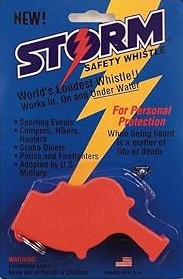
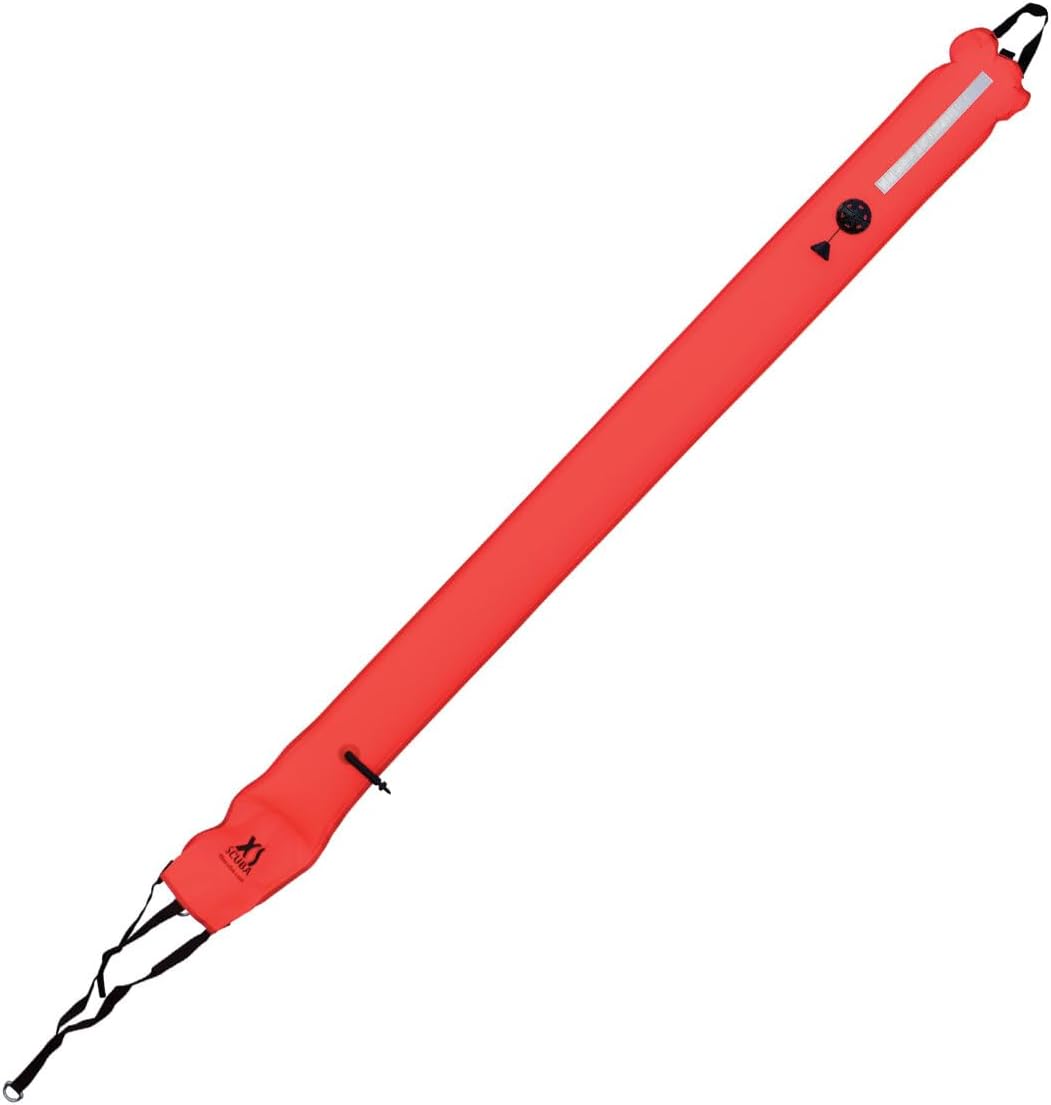
7′ SMB
50 lbs Lift





Green Chem
Sticks
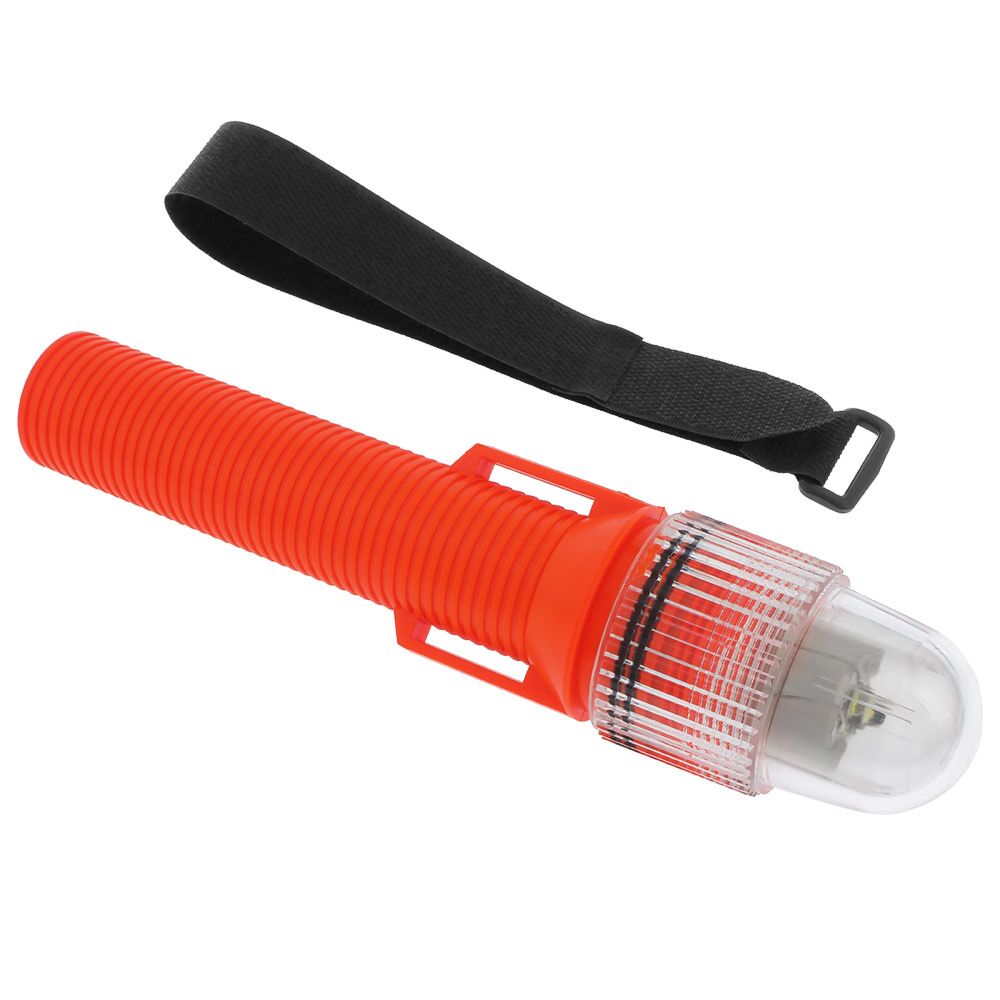
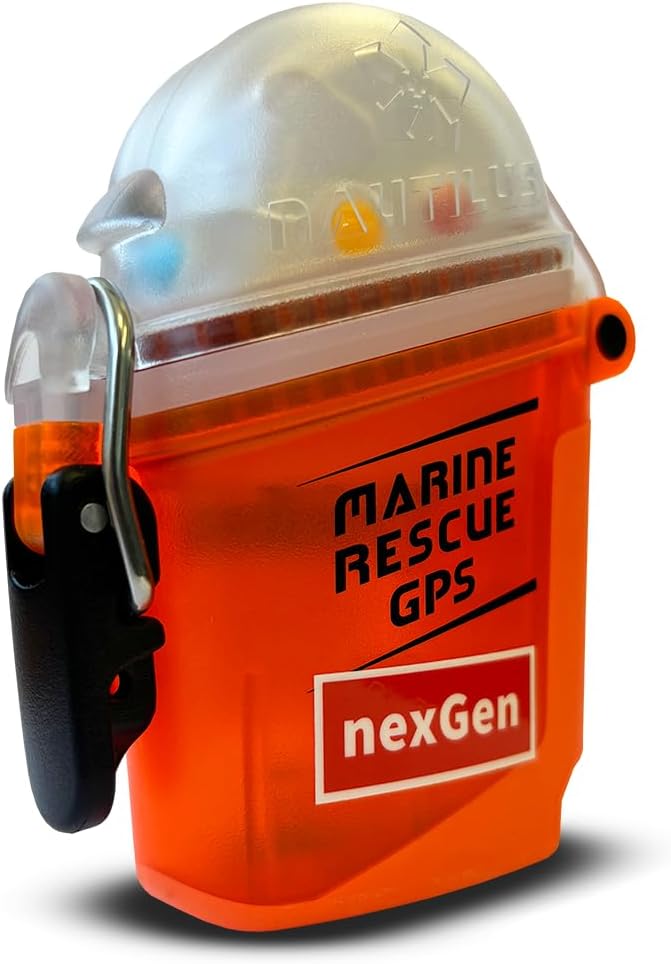

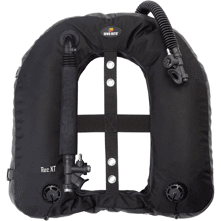
Dual Balder
45 Lb. Lift
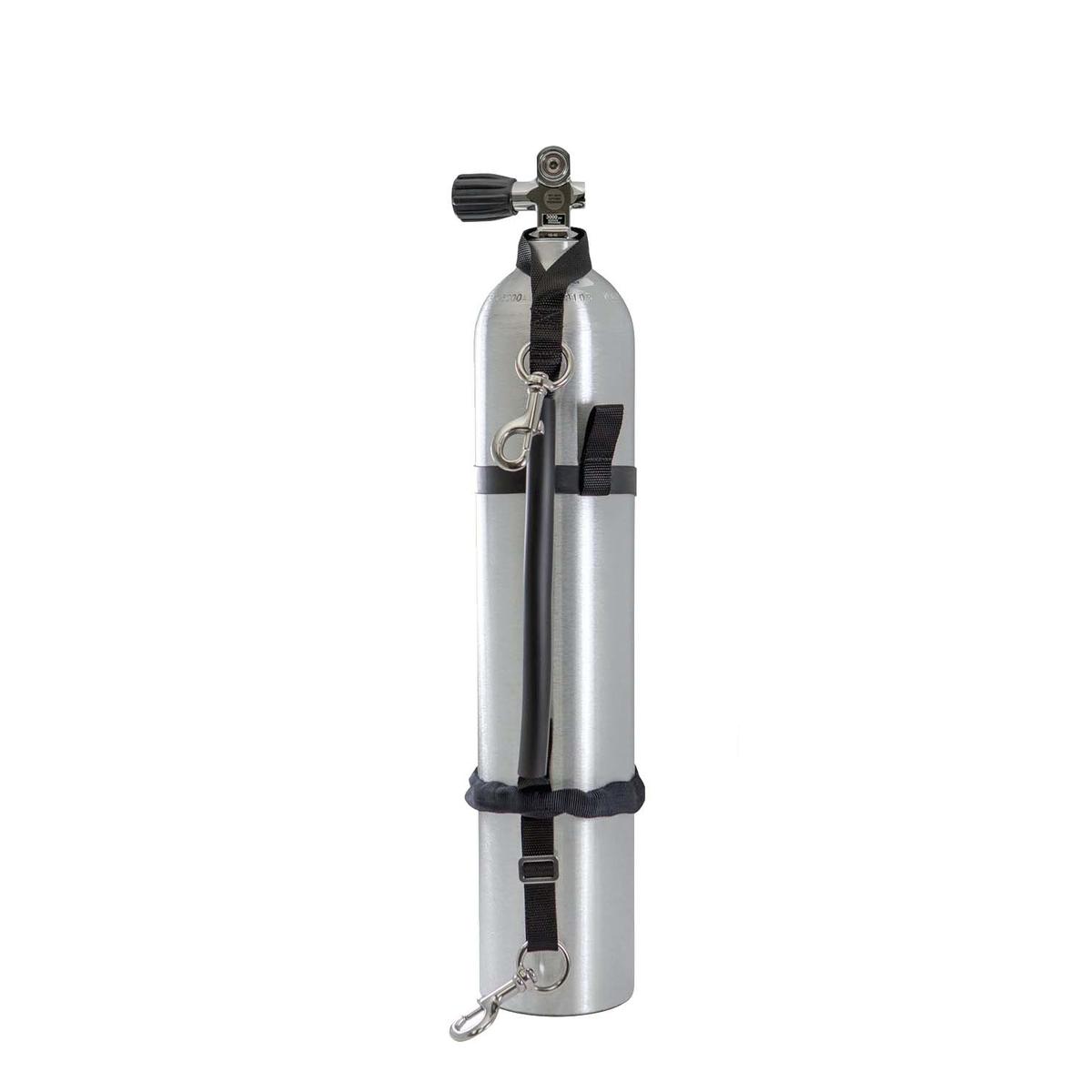
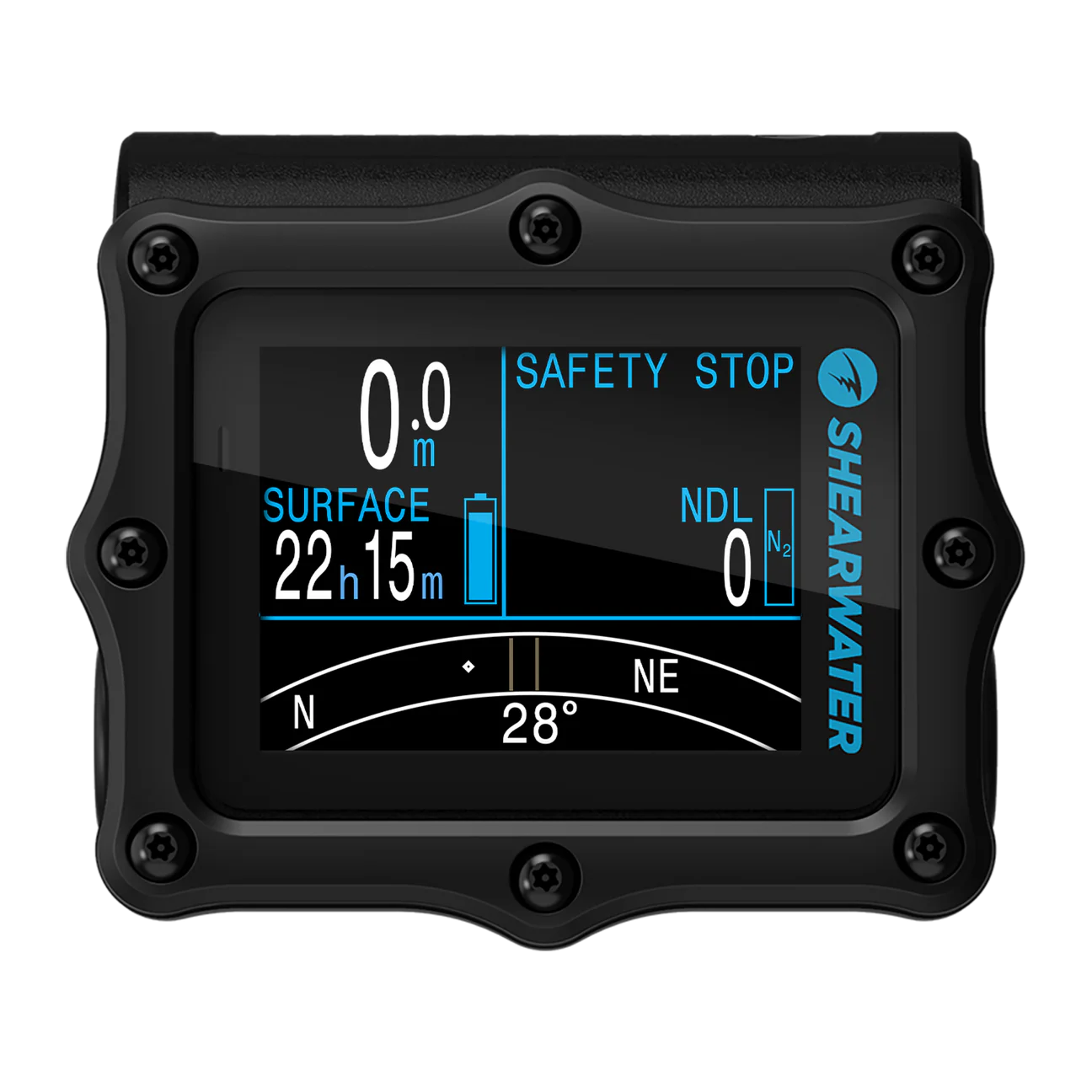

Glow in
the dark

Signal Mirror

BigBlue 9000

Chronological Cases (1998–2025)
with References
🟢 Green = Rescued within 6 hours
🟡 Gold = Rescued after 6 hours
🔴 Red = Fatalities / Missing
January 1998 – Great Barrier Reef, Australia 🔴x2
Tom and Eileen Lonergan were left behind after their boat departed. They were never found, and their disappearance spurred international debate on dive boat safety and roll-call procedures.
-
BBC News. (1999, April 7). Couple lost on reef sparks safety reform. Retrieved from https://news.bbc.co.uk/2/hi/asia-pacific/311438.stm
-
Wikipedia. (n.d.). Disappearance of Tom and Eileen Lonergan. Retrieved from https://en.wikipedia.org/wiki/Disappearance_of_Tom_and_Eileen_Lonergan
February 2000 – Key Largo, Florida, USA 🟡x2
Two divers were stranded for approximately 12–18 hours before being rescued. Their survival reinforced the importance of vigilant crew oversight.
-
Tampa Bay Times. (2000, February 25). Dive boat heads in, stranding 2 divers. Retrieved from https://www.tampabay.com/archive/2000/02/25/dive-boat-heads-in-stranding-2-divers/
February 2006 – Mana Island, New Zealand 🟡x1
Former Navy diver Rob Hewitt survived almost 75 hours adrift in rough seas. He was finally spotted by searchers in a small boat after an intense aerial and maritime search, making his story one of the longest survival drifts recorded.
-
Jones, S. (2006, February 8). Diver adrift for three days survives thirst and hallucinations. The Guardian. Retrieved from https://www.theguardian.com/world/2006/feb/09/samjones.mainsection
-
Cooper, G. (2006, February 9). Survives 75-hour ordeal at sea. NZ Herald. Retrieved from https://www.nzherald.co.nz/nz/news/article.cfm?c_id=1&objectid=10367362
April 2008 – Great Barrier Reef, Australia 🟡x2
Two divers were accidentally left behind and drifted for about 19 hours before an aerial/sea search spotted them.
-
Singer, N. (2008, May 27). Divers left behind at sea deny profiting from 19-hour ordeal. The Guardian. Retrieved from https://www.theguardian.com/world/2008/may/27/australia.television
June 2008 – Komodo National Park (Rinca), Indonesia 🟡x5
Five divers were swept away by powerful currents and spent 9–12 hours in the water before washing ashore. They survived two nights on Rinca Island — even fending off a Komodo dragon — before being rescued by rangers and search boats.
-
CBS News. (2008, June 9). Stranded divers fend off Komodo dragon. CBS News. Retrieved from https://www.cbsnews.com/news/stranded-divers-fend-off-komodo-dragon/
March 2009 – Similan Islands, Thailand 🟡x7
A dive boat sank near the Similans, leaving passengers scrambling. Several divers were reported missing but were ultimately located in life rafts. I left this in the reporting because the scenario is similar to being left at sea without notice.
-
ABC News. (2009, March 9). 7 missing after Phuket dive boat sinks. Retrieved from https://www.abc.net.au/news/2009-03-09/7-missing-after-phuket-dive-boat-sinks/1613496
June 2012 – Tioman Island, Malaysia 🟡x6
Six divers surfaced to find no boat in sight and spent the night adrift. After almost 20 hours, a passing tugboat spotted them and brought them to safety, exhausted but alive.
-
AFP. (2012, June 7). Six scuba divers rescued after drifting off Tioman Island. The Star/AFP via Yahoo News. Retrieved from https://sg.news.yahoo.com/six-divers-missing-off-malaysian-island-official-050859322.html
- Isu Hangit Berasap. (2012, June 24). Six divers saved after going missing in Malaysia [Blog post]. Retrieved from https://isuhangitberasap.blogspot.com/2012/06/six-divers-saved-after-going-missing-in.html
February 2014 – Bali, Indonesia 🔴x2 🟡x5
Seven Japanese women went missing in strong currents; five were rescued after nearly three days adrift, one was found deceased, and one was never located. Fishermen first spotted survivors before helicopters and boats joined the rescue.
-
The Guardian. (2014, February 17). Five Japanese scuba divers found alive off Bali coast. Retrieved from https://www.theguardian.com/world/2014/feb/17/four-japanese-scuba-divers-found-alive-bali
-
ABC News. (2014, February 17). Five Japanese divers found alive three days after going missing near Indonesian resort island of Bali [News article]. ABC News. Retrieved [insert retrieval date], from https://www.abc.net.au/news/2014-02-17/four-lost-japanese-divers-found-alive-near-bali/5265614
~May 2015 – Rottnest Island, Western Australia🟢x1
A female French diver was rescued by a local fisherman after being left behind at sea. When the fisherman returned her to her dive boat, he reportedly asked the crew, “Have you lost something?” while pointing toward the diver. The crew’s initial reaction was one of shock, with one member exclaiming, “Oh, f**k.” As the diver reboarded the vessel, a crew member responded with a laugh and a casual wave before the boat departed.
- ABC Radio Perth. (2025, May 19). Diver, fisherman air more claims of Perth Diving Academy leaving people at sea [Audio broadcast]. ABC Listen. Retrieved August 31, 2025, from https://www.abc.net.au/listen/programs/perth-mornings/scuba-divers-picked-up-by-fishing-boat/105314290
- Mitsopoulos, N. (2025, May 19). Diver, fisherman air more claims of Perth Diving Academy leaving people at sea [News article]. ABC News. Retrieved August 31, 2025, from https://www.abc.net.au/news/2025-05-20/perth-diving-academy-more-divers-allegations/105306692
January 2016 – Bundaberg, Queensland, Australia 🟡x1
A diver was carried away by current and spent 6–7 hours at sea before being spotted by a search aircraft. The rescue highlighted how quickly separation can turn dangerous even close to shore.
-
Lodge, J., & Cansdale, D. (2016, July 6). Scuba diver rescued after six hours at sea. ABC News. Retrieved from https://www.abc.net.au/news/2016-07-06/scuba-diver-rescued-six-hours-at-sea-unfazed-by-ordeal/7574496
~May 2017 – Hillarys, Perth, Australia 🟢x2
Two divers were swept away by strong currents and became separated from their group off the coast of Hillarys. They were eventually rescued by a passing fisherman and returned to their dive boat. Upon boarding, their instructor responded by “cheering and clapping,” a reaction the divers later described as inappropriate given the seriousness of the incident.
New Allegations Surface Against Perth Diving Academy Amid Ongoing Safety Investigation
- The Scuba News. (2025, May 20). New allegations surface against Perth Diving Academy amid ongoing safety investigation. The Scuba News. Retrieved [insert retrieval date], from https://www.thescubanews.com/2025/05/20/new-allegations-surface-against-perth-diving-academy-amid-ongoing-safety-investigation/
- Mitsopoulos, N. (2025, May 19). Diver, fisherman air more claims of Perth Diving Academy leaving people at sea [News article]. ABC News. Retrieved August 31, 2025, from https://www.abc.net.au/news/2025-05-20/perth-diving-academy-more-divers-allegations/105306692
- ABC Radio Perth. (2025, May 20). “We’re going to get eaten by sharks”: More claims against dive company [Audio podcast episode]. ABC Radio. Retrieved August 31, 2025, from https://www.abc.net.au/listen/programs/perth-mornings/scuba-divers-picked-up-by-fishing-boat/105314290
August 2018 – Gulf of Mexico, Florida, USA 🟡x1
A diver was lost for nearly 20 hours before being rescued. His bright orange surface marker buoy was credited with saving his life, showing the value of simple visual tools.
-
WGCU PBS & NPR. (2018, August 20). Diver rescued after 20 hours at sea. Retrieved from https://abcnews.go.com/US/scuba-diver-rescued-stranded-off-florida-coast-hours/story?id=63958563
June 2019 – Pensacola, Florida, USA 🟡x1
A diver adrift for about 7 hours was finally spotted by another vessel and rescued. Local coverage emphasized the risks of diving wrecks in open Gulf waters without redundant signaling gear.
After seven hours of kicking toward shore, a dive boat finally saw him in the water and approached. A fellow diver called out to him, asking “Hey, you need a ride?” Ozburn said.
-
ABC News. (2019, June 10). Diver rescued after seven hours at sea off Pensacola. Retrieved from https://abcnews.go.com/US/diver-rescued-after-7-hours-at-sea-off-pensacola/story?id=63535200
April 2022 – Mersing, Johor, Malaysia 🔴x1 🟡x3
Four divers surfaced to find their boat gone. Over the next 48–72 hours, three were rescued by Indonesian fishermen after drifting across borders, but tragically a 14-year-old boy did not survive.
- New Straits Times. (2022, April 6). Four divers missing in Mersing. New Straits Times. Retrieved from https://www.nst.com.my/news/nation/2022/04/786546/four-divers-missing-mersing
- Malay Mail. (2022, April 7). Johor MB confirms identities of missing divers. Malay Mail. Retrieved from https://www.malaymail.com/news/malaysia/2022/04/07/johor-mb-confirms-identities-of-missing-divers/2052067
- Ram, S. (2022, April 9). Mersing diving trip: British diver rescued off Malaysia says his son has died at sea [News article]. SAYS.com. Retrieved from https://says.com/my/news/mersing-diving-trip-british-diver-rescued-off-malaysia-says-his-son-has-died-at-sea
August 2023 – Frying Pan Shoals, North Carolina, USA 🟡x4
Four divers drifted 24–36 hours in rough seas. Their strobe lights were spotted by a USCG C-130 aircraft at dawn, a dramatic example of why electronic beacons and strobes are lifesaving.
-
WECT. (2023, August 14). Four divers rescued by Coast Guard after over eighteen-hour search. Retrieved from https://www.wect.com/2023/08/14/four-divers-rescued-by-coast-guard-after-over-eighteen-hour-search/
July 2024 – Matagorda, Texas, USA 🟡x2
Nathan and Kim Maker were swept away by storm waves and spent 36–38 hours adrift. They survived jellyfish stings, dehydration, and near hypothermia before signaling “SOS” with a dive light to a Coast Guard aircraft.
-
ABC News. (2024, July 29). Couple rescued after spending nearly 40 hours lost at sea off Texas coast. Retrieved from https://abcnews.go.com/US/couple-rescued-spending-40-hours-lost-sea-off-texas/story?id=101856986
-
People. (2024, July 29). Couple lost at sea for 38 hours rescued off Texas coast. Retrieved from https://people.com/couple-lost-at-sea-38-hours-rescued-off-texas-coast-8625481
-
U.S. Coast Guard. (2024, July 27). Coast Guard rescues 2 divers 36 miles off Matagorda, Texas. Retrieved from https://content.govdelivery.com/accounts/USDHSCG/bulletins/39bd35a
November 2024 – Oahu, Hawaii 🟡x5
Five divers were separated from their boat and spent about 90 minutes drifting before a passing yacht heard their screams. The crew radioed for help, and the Coast Guard quickly guided their boat back to retrieve them.
-
Dive Magazine. (2024, November 16). Five drifting scuba divers rescued off Oʻahu, Hawaii. Retrieved from https://divemagazine.com/scuba-diving-news/five-drifting-scuba-divers-rescued-off-oahu-hawaii
-
Hawaii News Now. (2024, November 16). Five divers rescued after going missing off Oʻahu. Retrieved from https://www.hawaiinewsnow.com/2024/11/16/five-divers-rescued-after-going-missing-off-oahu
December 2024 – Peleliu Corner, Palau 🟡x8
Seven tourists and a local guide drifted 24–30 hours after currents swept them far from their dive site. A fisherman finally spotted the group, aided by USCG drift modeling, and all were rescued.
-
Divernet. (2025, January 2). Eight divers undergo 30hr drift in Palau. Retrieved from https://divernet.com/scuba-news/health-safety/eight-divers-undergo-30hr-drift-in-palau/
-
Dive Magazine. (2025, January). Palau scuba divers rescued after 27-hour drift. Retrieved from https://divemagazine.com/scuba-diving-news/palau-scuba-divers-rescued-after-27-hour-drift
-
Stars and Stripes. (2024, December 30). Drifting divers spend day and night at sea before Pacific rescue. Retrieved from https://www.stripes.com/branches/coast_guard/2024-12-30/missing-divers-palau-coast-guard-search-16320840.html
March 2025 – Rottnest Island, Western Australia 🟢x2
Two men on a scuba tour alleged they were left when their dive boat departed. They floated 30–50 minutes before a ferry rescued them.
-
ABC News Australia. (2025, May 19). New allegations have surfaced about a Perth dive company under investigation for leaving divers behind. Retrieved from https://www.abc.net.au/news/2025-05-20/perth-diving-academy-more-divers-allegations/105306692
-
News.com.au. (2025, May 19). Unacceptable: Scuba diver allegedly left behind in the ocean by dive operator. Retrieved from https://www.news.com.au/national/western-australia/unacceptable-scuba-diver-allegedly-left-behind-in-the-ocean-by-dive-operator-says-lessons-must-be-learnt-from-the-incident/news-story/5ee6c50b0480072624772a4e1f136650
August 2025 – Tatar Strait, Sakhalin, Russia 🟡x1
A diver from St. Petersburg survived nearly 24 hours in icy 11 °C waters. She improvised a survival flag with her fin on a stick, which cadets on the Otto Schmidt rescue vessel spotted.
-
Divernet. (2025, August 26). 24hr drift-dive for abandoned Russian official. Retrieved from https://divernet.com/scuba-news/health-safety/24hr-drift-dive-for-abandoned-russian-official/
-
Kursiv Media. (2025, August 24). Russian diver survives a day adrift in Pacific after instructor’s error. Retrieved from https://uz.kursiv.media/en/2025-08-24/russian-diver-survives-a-day-adrift-in-pacific-after-instructors-error/
August 2025 – Costa del Sol, Spain 🟡x1
A 23-year-old Moroccan diver disappeared near Morocco and drifted almost 100 km north across the Mediterranean. After ~48 hours, he was spotted by a merchant ship and rescued by Spain’s Salvamento Marítimo.
-
Sur in English. (2025, August 28). Diver found alive after drifting from Morocco to Spain. Retrieved from https://www.surinenglish.com
Safety / Statistics Context
-
Master Liveaboards. (n.d.). How often do divers get left behind? Retrieved from https://www.masterliveaboards.com/blog/divers-left-behind/
-
Divers Alert Network. (2021, July 18). Lessons learned while lost at sea. Retrieved from https://dan.org/alert-diver/article/lessons-learned-while-lost-at-sea/
-
Buzzacott, P., Denoble, P. J., & Dunford, R. G. (2013). Annual diving report: 2013 edition. Durham, NC: Divers Alert Network. Retrieved from https://www.diversalertnetwork.org
-
UW360. (n.d.). Being left behind while diving: Preparation is key. Retrieved from https://www.uw360.asia/being-left-behind-diving-preparation/
Tom and Eileen Lonergan were left behind after their boat departed. They were never found, and their disappearance spurred international debate on dive boat safety and roll-call procedures.
-
BBC News. (1999, April 7). Couple lost on reef sparks safety reform. Retrieved from https://news.bbc.co.uk/2/hi/asia-pacific/311438.stm
-
Wikipedia. (n.d.). Disappearance of Tom and Eileen Lonergan. Retrieved from https://en.wikipedia.org/wiki/Disappearance_of_Tom_and_Eileen_Lonergan
Two divers were stranded for approximately 12–18 hours before being rescued. Their survival reinforced the importance of vigilant crew oversight.
-
Tampa Bay Times. (2000, February 25). Dive boat heads in, stranding 2 divers. Retrieved from https://www.tampabay.com/archive/2000/02/25/dive-boat-heads-in-stranding-2-divers/
Former Navy diver Rob Hewitt survived almost 75 hours adrift in rough seas. He was finally spotted by searchers in a small boat after an intense aerial and maritime search, making his story one of the longest survival drifts recorded.
-
Jones, S. (2006, February 8). Diver adrift for three days survives thirst and hallucinations. The Guardian. Retrieved from https://www.theguardian.com/world/2006/feb/09/samjones.mainsection
-
Cooper, G. (2006, February 9). Survives 75-hour ordeal at sea. NZ Herald. Retrieved from https://www.nzherald.co.nz/nz/news/article.cfm?c_id=1&objectid=10367362
Two divers were accidentally left behind and drifted for about 19 hours before an aerial/sea search spotted them.
-
Singer, N. (2008, May 27). Divers left behind at sea deny profiting from 19-hour ordeal. The Guardian. Retrieved from https://www.theguardian.com/world/2008/may/27/australia.television
Five divers were swept away by powerful currents and spent 9–12 hours in the water before washing ashore. They survived two nights on Rinca Island — even fending off a Komodo dragon — before being rescued by rangers and search boats.
-
CBS News. (2008, June 9). Stranded divers fend off Komodo dragon. CBS News. Retrieved from https://www.cbsnews.com/news/stranded-divers-fend-off-komodo-dragon/
A dive boat sank near the Similans, leaving passengers scrambling. Several divers were reported missing but were ultimately located in life rafts. I left this in the reporting because the scenario is similar to being left at sea without notice.
-
ABC News. (2009, March 9). 7 missing after Phuket dive boat sinks. Retrieved from https://www.abc.net.au/news/2009-03-09/7-missing-after-phuket-dive-boat-sinks/1613496
Six divers surfaced to find no boat in sight and spent the night adrift. After almost 20 hours, a passing tugboat spotted them and brought them to safety, exhausted but alive.
-
AFP. (2012, June 7). Six scuba divers rescued after drifting off Tioman Island. The Star/AFP via Yahoo News. Retrieved from https://sg.news.yahoo.com/six-divers-missing-off-malaysian-island-official-050859322.html
- Isu Hangit Berasap. (2012, June 24). Six divers saved after going missing in Malaysia [Blog post]. Retrieved from https://isuhangitberasap.blogspot.com/2012/06/six-divers-saved-after-going-missing-in.html
Seven Japanese women went missing in strong currents; five were rescued after nearly three days adrift, one was found deceased, and one was never located. Fishermen first spotted survivors before helicopters and boats joined the rescue.
-
The Guardian. (2014, February 17). Five Japanese scuba divers found alive off Bali coast. Retrieved from https://www.theguardian.com/world/2014/feb/17/four-japanese-scuba-divers-found-alive-bali
-
ABC News. (2014, February 17). Five Japanese divers found alive three days after going missing near Indonesian resort island of Bali [News article]. ABC News. Retrieved [insert retrieval date], from https://www.abc.net.au/news/2014-02-17/four-lost-japanese-divers-found-alive-near-bali/5265614
A female French diver was rescued by a local fisherman after being left behind at sea. When the fisherman returned her to her dive boat, he reportedly asked the crew, “Have you lost something?” while pointing toward the diver. The crew’s initial reaction was one of shock, with one member exclaiming, “Oh, f**k.” As the diver reboarded the vessel, a crew member responded with a laugh and a casual wave before the boat departed.
- ABC Radio Perth. (2025, May 19). Diver, fisherman air more claims of Perth Diving Academy leaving people at sea [Audio broadcast]. ABC Listen. Retrieved August 31, 2025, from https://www.abc.net.au/listen/programs/perth-mornings/scuba-divers-picked-up-by-fishing-boat/105314290
- Mitsopoulos, N. (2025, May 19). Diver, fisherman air more claims of Perth Diving Academy leaving people at sea [News article]. ABC News. Retrieved August 31, 2025, from https://www.abc.net.au/news/2025-05-20/perth-diving-academy-more-divers-allegations/105306692
A diver was carried away by current and spent 6–7 hours at sea before being spotted by a search aircraft. The rescue highlighted how quickly separation can turn dangerous even close to shore.
-
Lodge, J., & Cansdale, D. (2016, July 6). Scuba diver rescued after six hours at sea. ABC News. Retrieved from https://www.abc.net.au/news/2016-07-06/scuba-diver-rescued-six-hours-at-sea-unfazed-by-ordeal/7574496
Two divers were swept away by strong currents and became separated from their group off the coast of Hillarys. They were eventually rescued by a passing fisherman and returned to their dive boat. Upon boarding, their instructor responded by “cheering and clapping,” a reaction the divers later described as inappropriate given the seriousness of the incident.
New Allegations Surface Against Perth Diving Academy Amid Ongoing Safety Investigation
- The Scuba News. (2025, May 20). New allegations surface against Perth Diving Academy amid ongoing safety investigation. The Scuba News. Retrieved [insert retrieval date], from https://www.thescubanews.com/2025/05/20/new-allegations-surface-against-perth-diving-academy-amid-ongoing-safety-investigation/
- Mitsopoulos, N. (2025, May 19). Diver, fisherman air more claims of Perth Diving Academy leaving people at sea [News article]. ABC News. Retrieved August 31, 2025, from https://www.abc.net.au/news/2025-05-20/perth-diving-academy-more-divers-allegations/105306692
- ABC Radio Perth. (2025, May 20). “We’re going to get eaten by sharks”: More claims against dive company [Audio podcast episode]. ABC Radio. Retrieved August 31, 2025, from https://www.abc.net.au/listen/programs/perth-mornings/scuba-divers-picked-up-by-fishing-boat/105314290
A diver was lost for nearly 20 hours before being rescued. His bright orange surface marker buoy was credited with saving his life, showing the value of simple visual tools.
-
WGCU PBS & NPR. (2018, August 20). Diver rescued after 20 hours at sea. Retrieved from https://abcnews.go.com/US/scuba-diver-rescued-stranded-off-florida-coast-hours/story?id=63958563
A diver adrift for about 7 hours was finally spotted by another vessel and rescued. Local coverage emphasized the risks of diving wrecks in open Gulf waters without redundant signaling gear.
After seven hours of kicking toward shore, a dive boat finally saw him in the water and approached. A fellow diver called out to him, asking “Hey, you need a ride?” Ozburn said.
-
ABC News. (2019, June 10). Diver rescued after seven hours at sea off Pensacola. Retrieved from https://abcnews.go.com/US/diver-rescued-after-7-hours-at-sea-off-pensacola/story?id=63535200
Four divers surfaced to find their boat gone. Over the next 48–72 hours, three were rescued by Indonesian fishermen after drifting across borders, but tragically a 14-year-old boy did not survive.
- New Straits Times. (2022, April 6). Four divers missing in Mersing. New Straits Times. Retrieved from https://www.nst.com.my/news/nation/2022/04/786546/four-divers-missing-mersing
- Malay Mail. (2022, April 7). Johor MB confirms identities of missing divers. Malay Mail. Retrieved from https://www.malaymail.com/news/malaysia/2022/04/07/johor-mb-confirms-identities-of-missing-divers/2052067
- Ram, S. (2022, April 9). Mersing diving trip: British diver rescued off Malaysia says his son has died at sea [News article]. SAYS.com. Retrieved from https://says.com/my/news/mersing-diving-trip-british-diver-rescued-off-malaysia-says-his-son-has-died-at-sea
Four divers drifted 24–36 hours in rough seas. Their strobe lights were spotted by a USCG C-130 aircraft at dawn, a dramatic example of why electronic beacons and strobes are lifesaving.
-
WECT. (2023, August 14). Four divers rescued by Coast Guard after over eighteen-hour search. Retrieved from https://www.wect.com/2023/08/14/four-divers-rescued-by-coast-guard-after-over-eighteen-hour-search/
Nathan and Kim Maker were swept away by storm waves and spent 36–38 hours adrift. They survived jellyfish stings, dehydration, and near hypothermia before signaling “SOS” with a dive light to a Coast Guard aircraft.
-
ABC News. (2024, July 29). Couple rescued after spending nearly 40 hours lost at sea off Texas coast. Retrieved from https://abcnews.go.com/US/couple-rescued-spending-40-hours-lost-sea-off-texas/story?id=101856986
-
People. (2024, July 29). Couple lost at sea for 38 hours rescued off Texas coast. Retrieved from https://people.com/couple-lost-at-sea-38-hours-rescued-off-texas-coast-8625481
-
U.S. Coast Guard. (2024, July 27). Coast Guard rescues 2 divers 36 miles off Matagorda, Texas. Retrieved from https://content.govdelivery.com/accounts/USDHSCG/bulletins/39bd35a
Five divers were separated from their boat and spent about 90 minutes drifting before a passing yacht heard their screams. The crew radioed for help, and the Coast Guard quickly guided their boat back to retrieve them.
-
Dive Magazine. (2024, November 16). Five drifting scuba divers rescued off Oʻahu, Hawaii. Retrieved from https://divemagazine.com/scuba-diving-news/five-drifting-scuba-divers-rescued-off-oahu-hawaii
-
Hawaii News Now. (2024, November 16). Five divers rescued after going missing off Oʻahu. Retrieved from https://www.hawaiinewsnow.com/2024/11/16/five-divers-rescued-after-going-missing-off-oahu
Seven tourists and a local guide drifted 24–30 hours after currents swept them far from their dive site. A fisherman finally spotted the group, aided by USCG drift modeling, and all were rescued.
-
Divernet. (2025, January 2). Eight divers undergo 30hr drift in Palau. Retrieved from https://divernet.com/scuba-news/health-safety/eight-divers-undergo-30hr-drift-in-palau/
-
Dive Magazine. (2025, January). Palau scuba divers rescued after 27-hour drift. Retrieved from https://divemagazine.com/scuba-diving-news/palau-scuba-divers-rescued-after-27-hour-drift
-
Stars and Stripes. (2024, December 30). Drifting divers spend day and night at sea before Pacific rescue. Retrieved from https://www.stripes.com/branches/coast_guard/2024-12-30/missing-divers-palau-coast-guard-search-16320840.html
Two men on a scuba tour alleged they were left when their dive boat departed. They floated 30–50 minutes before a ferry rescued them.
-
ABC News Australia. (2025, May 19). New allegations have surfaced about a Perth dive company under investigation for leaving divers behind. Retrieved from https://www.abc.net.au/news/2025-05-20/perth-diving-academy-more-divers-allegations/105306692
-
News.com.au. (2025, May 19). Unacceptable: Scuba diver allegedly left behind in the ocean by dive operator. Retrieved from https://www.news.com.au/national/western-australia/unacceptable-scuba-diver-allegedly-left-behind-in-the-ocean-by-dive-operator-says-lessons-must-be-learnt-from-the-incident/news-story/5ee6c50b0480072624772a4e1f136650
A diver from St. Petersburg survived nearly 24 hours in icy 11 °C waters. She improvised a survival flag with her fin on a stick, which cadets on the Otto Schmidt rescue vessel spotted.
-
Divernet. (2025, August 26). 24hr drift-dive for abandoned Russian official. Retrieved from https://divernet.com/scuba-news/health-safety/24hr-drift-dive-for-abandoned-russian-official/
-
Kursiv Media. (2025, August 24). Russian diver survives a day adrift in Pacific after instructor’s error. Retrieved from https://uz.kursiv.media/en/2025-08-24/russian-diver-survives-a-day-adrift-in-pacific-after-instructors-error/
A 23-year-old Moroccan diver disappeared near Morocco and drifted almost 100 km north across the Mediterranean. After ~48 hours, he was spotted by a merchant ship and rescued by Spain’s Salvamento Marítimo.
-
Sur in English. (2025, August 28). Diver found alive after drifting from Morocco to Spain. Retrieved from https://www.surinenglish.com
-
Master Liveaboards. (n.d.). How often do divers get left behind? Retrieved from https://www.masterliveaboards.com/blog/divers-left-behind/
-
Divers Alert Network. (2021, July 18). Lessons learned while lost at sea. Retrieved from https://dan.org/alert-diver/article/lessons-learned-while-lost-at-sea/
-
Buzzacott, P., Denoble, P. J., & Dunford, R. G. (2013). Annual diving report: 2013 edition. Durham, NC: Divers Alert Network. Retrieved from https://www.diversalertnetwork.org
-
UW360. (n.d.). Being left behind while diving: Preparation is key. Retrieved from https://www.uw360.asia/being-left-behind-diving-preparation/
Conclusion: Rare, But Worth Preparing For
Many divers, myself included, assume that “left at sea” cases are extremely rare and usually the result of poorly run operations. The truth is more nuanced. While these incidents are indeed uncommon compared to the millions of safe dives conducted each year, they have occurred more frequently than I expected. Since 1998, at least 21 documented cases worldwide have involved 65 divers being left behind. And although operator professionalism plays a role, other factors such as strong currents, limited visibility, diver separation, and simple miscommunication have also contributed.
One pattern that stood out in the data was highlighted by media reports: a dive operation in Perth, Australia, has been linked to three separate “left at sea” incidents over roughly a decade. While details vary amongst the reports, the clustering of cases around a single dive boat operator highlights the importance of both accountability and strong safety practices, as well as environmental conditions.
The real lesson here is not that it happens often, but that it can happen anywhere—even with otherwise reputable operators. That’s why diver preparedness—carrying effective signaling devices, practicing good buddy awareness, and confirming a boat’s safety protocols—remains essential for every dive.
Coming Up in the “Left at Sea” Series
In the next article, I’ll take a closer look at my survival kit—why each item matters, how I keep it ready, and which tools I’m considering adding. I’ll also walk through the best sequence for deploying safety gear to maximize visibility and rescue chances, plus share what’s truly essential versus what can be left behind. We’ll finish with a practical review of DAN insurance: what’s covered, what isn’t, and why it matters.
“Divers left at sea” incidents are exceptionally rare—but when they happen, they leave a lasting impression. Out of millions of safe dives conducted every year, only a small number ever go wrong in this way. Preparedness, visibility, and communication remain the keys to ensuring every dive ends where it should—back on the boat.
So pack pack up your gear, clip on a whistle, and make sure your operator follows sound safety protocols. Chances are, you’ll never need them. But if you do, they could make all the difference.
📢 Help Us Keep This Record Complete
Scuba diving “left at sea” incidents are difficult to track. Language barriers, scattered media coverage, and the absence of a central database mean that many cases may never make it onto lists like this one.
If you know of a reported incident not included here, please share it in the comments below. I’ll review and update this article so we can keep the record as accurate and helpful as possible for divers worldwide.