
The Ocean as a Sanctuary
Slip beneath the waves, and the world changes. The noise fades. The weight of gravity disappears. Each breath becomes deliberate, slow, and calming. For many, this is just the start of a scuba adventure. However, for others — especially those who carry invisible wounds of war or trauma that weightless silence can feel like medicine. Scuba diving supports mental health recovery.
In my world, the idea of using scuba diving as a form of rehabilitation is fairly common. However, outside of military and veteran circles, I don’t think it’s widely known or practiced, and I’d love to hear your thoughts (drop a comment below). Each year, I have 8 or 9 friends who take part in one version or another of dive therapy programs. Scuba diving for PTSD recovery is more than just a theory; around the world, divers are discovering how time spent underwater can support healing and mental health.
Jacques Cousteau once said, “Man has only to sink beneath the surface and he is free.” Decades later, science and lived experience are confirming what divers have always known: the ocean offers more than beauty and exploration. It offers healing.

Table of Contents
Scuba Diving and PTSD Growth
PTSD disrupts life in profound ways: intrusive flashbacks, hypervigilance, sleepless nights, and emotional numbness. Returning from combat, many veterans find themselves changed, isolated, stripped of identity, and struggling to adapt. Traditional therapies such as exposure or cognitive processing therapy often fall short in rehabilitation efforts.
However, research shows that in the right environment, trauma can also open the door to posttraumatic growth (PTG) — the process of discovering new strengths, deeper relationships, and renewed purpose through adversity.
A qualitative study of British veterans with PTSD who trained with Deptherapy UK revealed that diving provided “instant access to lasting relief” from anxiety and hypervigilance, creating space for growth. Four key healing themes emerged:
- Human Connection – Diving reawakened camaraderie, a sense of brotherhood and sisterhood that veterans lose after discharge.
- Meaningful Leisure – Diving offered purpose, goals, and the joy of mastering new skills.
- Embodiment – Underwater weightlessness allowed veterans to reconnect with their bodies in a safe, empowering way.
- The Calm – The underwater environment provided tranquility, mindfulness, and freedom from constant mental noise.
One veteran put it simply: “It didn’t bring back the old me, but it helped me on the path to the new me.”
If you’re curious to begin your own scuba journey, you’re going to need a mask. I cannot say enough good about this mask. For reasons unknown to me, it has been discounted on Amazon.com the last couple of months causing me to buy my third one. I even wrote up a quick gear review, ScubaPro Solo: A Dive Mask Review. Take a look at it and tell me what you think.
[amazon box=”B002GX6PGW”]Why the Ocean Works: The “Blue Space Effect”
The therapeutic power of water is not just poetic — it’s evidence-based. Research shows that blue spaces (oceans, lakes, rivers) enhance mental health by reducing stress, lowering anxiety, and improving mood. Add scuba diving’s physical activity and mindfulness-like breathing, and you have a potent combination.
- Breathing as Mindfulness – Slow, rhythmic inhalations and exhalations underwater mimic meditation and balance the nervous system.
- Weightlessness – The buoyancy of water eases tension, reduces pain, and allows divers to become active again, often free from the physical constraints of trauma or disability.
- Immersion in Awe – Watching light ripple across a reef or hovering near a sea turtle shifts focus from intrusive thoughts to the present moment.
Evidence Beyond Combat Veterans
The mental health benefits of diving extend far beyond military contexts.
- Recreational Divers: A survey of 729 UK sport divers found that 90% of those with mental health conditions reported that diving improved their symptoms, particularly depression and anxiety. Many described diving as a lifeline, offering clarity and peace.
- Disabled Divers: A study of 240 people with physical disabilities showed that diving significantly improved self-esteem, confidence, and social interactions. Divers reported relief from pain, improved respiratory function, and a renewed sense of independence.
- Everyday People: Even divers without diagnoses describe diving as calming, restorative, and transformative. The sense of belonging within dive communities combats loneliness and builds social resilience.
While scuba diving can provide profound mental health benefits, it’s important to acknowledge that not every condition is compatible with safe diving. The Divers Alert Network (DAN) notes that while many people with managed conditions can dive safely, severe depression, psychosis, or medications that impair alertness may pose serious risks underwater. Even mild anxiety or phobias can escalate quickly in stressful dive conditions, potentially leading to panic. DAN emphasizes the importance of case-by-case evaluation and full disclosure of mental health history and medications to instructors or certifying agencies. With proper management, however, many individuals can still enjoy the therapeutic benefits of diving safely (DAN, n.d.).
Dive lights aren’t just accessories; they’re lifelines. In “The Ultimate 2025 Scuba Dive Light Comparison: 8 Key Factors,” SCUBA Insider breaks down everything you should know for choosing the best light: brightness, battery life, beam pattern, durability, and more. Whether you’re just getting started or already logged hundreds of dives, understanding these factors means investing in gear that keeps you safe, confident, and stress-free under the waves.
[amazon box=”B0BQY1N9WX” template=”vertical”][amazon box=”B0DHCTNQNW” template=”vertical”]A Safe Haven for Combat Veterans
For veterans in particular, scuba diving mirrors aspects of military life in healing ways:
- Brotherhood and Sisterhood: Dive buddies rely on one another just as soldiers do. Veterans can find diving communities as family, offering a familiar “instant brotherhood” and mutual understanding.
- Purpose and Service: Many veterans find new meaning in teaching others, mentoring, or volunteering in ocean conservation. Diving gives them an opportunity to “serve” again — this time helping fellow divers and/or protecting the planet.
- Relief from Hypervigilance: Underwater, the only mission is breathing and buoyancy. The constant scanning for threats quiets, replaced by focus on the present.
- Identity Restoration: Transitioning from “injured veteran” to “certified diver” restores dignity and pride. Some veterans even train up to professional levels, reshaping their identity around a new role.
Veteran Friendly Organizations
Undersea Warriors (.net)
Undersea Warriors
A 501(c)(3) nonprofit network providing recreational SCUBA diving therapy for disabled veterans diagnosed with PTSD, TBI, anxiety, depression, or sexual trauma. The organization covers certification costs for eligible veterans, offers group dives and trips, and focuses on creating a buddy system where veterans dive with other veterans or supportive civilians. Programs include ocean conservation activities and community service, with chapters operating nationwide.
Subsurface Veterans
Subsurface Veterans (subsurfaceveterans.com)
A veteran-led organization offering guided scuba diving excursions, instruction, and mentorship programs for U.S. military veterans. Founded by Jeff Samuel, the program combines underwater exploration with purpose-driven missions including underwater archaeology, coral reef restoration, and missing person recovery. The organization partners with Folds of Honor to provide scholarship support for military families through dive trip auctions.
Deep Blue Dive Therapy Inc
Deep Blue Dive Therapy Inc
A service-disabled veteran-owned nonprofit foundation empowering active-duty service members, veterans, and first responders through evidence-based scuba diving experiences. Founded by Marine veteran and PADI Divemaster Larry Wilson, the organization partners with local dive shops to provide training and covers costs for certification and excursions. The program aims to reduce PTSD symptoms and create positive mental and physical health outcomes.
Undersea Warriors (.org)
Undersea Warriors (underseawarriors.org)
A 501(c)(3) charitable organization serving active duty, veterans, National Guard, Reservists, and first responders diagnosed with PTSD, anxiety, or depression. The program pays for recreational and adaptive scuba diving lessons through local community dive shops and organizes marine conservation activities. With 96 total program graduates, the organization bases its approach on research showing an 80% reduction in PTSD symptoms among paralyzed veterans who completed scuba certification.
Deep Sea Valkyries
Deep Sea Valkyries (deepseavalkyries.com)
The nation’s only alternative therapy program combining Cognitive Behavioral Therapy (CBT), scuba diving, and faith-based devotions specifically designed to address moral injury in veterans and first responders. The organization offers immersive trauma counseling retreats that focus on healing mind, body, and soul through clinical care, underwater experiences, and spiritual guidance. Their retreats emphasize building camaraderie among participants and helping them rediscover emotional resilience and renewed purpose.
Dive4Vets Foundation
Dive4Vets Foundation (dive4vets.org)
A foundation dedicated to introducing mentally and physically disabled veterans to therapeutic scuba diving for its psychological and medical benefits. The organization underwrites the cost of providing disabled veterans with scuba training and certification, with a vision of making therapeutic scuba diving accessible to all combat-affected veterans. Their mission focuses on eliminating mental and physical barriers caused by combat service through inclusive adaptive diving activities.
Charlie Health
Charlie Health (charliehealth.com) mental-health/trauma
A mental health platform offering trauma-informed therapy for teens and adults through individual and group sessions. The organization provides specialized treatment using evidence-based approaches including Dialectical Behavior Therapy (DBT), Cognitive-Behavioral Therapy (CBT), and mindfulness-based therapy. Charlie Health partners with major insurance providers including TRICARE and reports that over 91% of clients see improvements in their most severe mental health symptoms through their personalized treatment plans.
Task Force Dagger Special Operations Foundation
Task Force Dagger Special Operations Foundation is a veteran-operated nonprofit dedicated to supporting wounded, ill, or injured members of the US Special Operations Command (USSOCOM) and their families through immediate assistance, rehabilitative adaptive events, and advanced health initiatives. Their mission emphasizes restoring mission, purpose, and focus for service members, ensuring holistic wellness and empowering recovery at every stage of the journey, with a particular focus on urgent needs, family support, and effective care across all SOF branches. The Foundation’s programs are crafted to heal, rebuild, and strengthen the Special Operations Forces community—providing resources that address medical, emotional, and family challenges by leveraging functional medicine, family-inclusive events, and ongoing advocacy.
Deptherapy UK
Deptherapy UK is a pioneering organization dedicated to supporting British Armed Forces veterans and serving personnel with life-changing physical and mental injuries through adaptive scuba diving programs. While Deptherapy formally closed as a registered charity in 2023, its team continues to advocate for best practices in adaptive diving instruction and rehabilitation, maintaining a well-respected online presence as a resource hub and community ally. Deptherapy is widely renowned for transforming lives especially for those with limb loss and PTSD by using the therapeutic benefits of scuba and promoting high standards in both mental health support and diver education.
Disabled Divers International
Disabled Divers International (DDI) is a nonprofit organization dedicated to making scuba diving accessible to people with physical and mental disabilities by offering specialized training, certification, and support worldwide. Founded in 2010, DDI’s mission is to promote inclusion in the diving community, empower individuals to overcome barriers, and provide adaptive programs for divers and instructors seeking to expand their skills. Through partnerships with dive centers and other agencies, DDI helps ensure diving is a safe, enjoyable activity open to everyone, regardless of ability.
Undersea Warriors
A 501(c)(3) nonprofit network providing recreational SCUBA diving therapy for disabled veterans diagnosed with PTSD, TBI, anxiety, depression, or sexual trauma. The organization covers certification costs for eligible veterans, offers group dives and trips, and focuses on creating a buddy system where veterans dive with other veterans or supportive civilians. Programs include ocean conservation activities and community service, with chapters operating nationwide.
Subsurface Veterans (subsurfaceveterans.com)
A veteran-led organization offering guided scuba diving excursions, instruction, and mentorship programs for U.S. military veterans. Founded by Jeff Samuel, the program combines underwater exploration with purpose-driven missions including underwater archaeology, coral reef restoration, and missing person recovery. The organization partners with Folds of Honor to provide scholarship support for military families through dive trip auctions.
Deep Blue Dive Therapy Inc
A service-disabled veteran-owned nonprofit foundation empowering active-duty service members, veterans, and first responders through evidence-based scuba diving experiences. Founded by Marine veteran and PADI Divemaster Larry Wilson, the organization partners with local dive shops to provide training and covers costs for certification and excursions. The program aims to reduce PTSD symptoms and create positive mental and physical health outcomes.
Undersea Warriors (underseawarriors.org)
A 501(c)(3) charitable organization serving active duty, veterans, National Guard, Reservists, and first responders diagnosed with PTSD, anxiety, or depression. The program pays for recreational and adaptive scuba diving lessons through local community dive shops and organizes marine conservation activities. With 96 total program graduates, the organization bases its approach on research showing an 80% reduction in PTSD symptoms among paralyzed veterans who completed scuba certification.
Deep Sea Valkyries (deepseavalkyries.com)
The nation’s only alternative therapy program combining Cognitive Behavioral Therapy (CBT), scuba diving, and faith-based devotions specifically designed to address moral injury in veterans and first responders. The organization offers immersive trauma counseling retreats that focus on healing mind, body, and soul through clinical care, underwater experiences, and spiritual guidance. Their retreats emphasize building camaraderie among participants and helping them rediscover emotional resilience and renewed purpose.
Dive4Vets Foundation (dive4vets.org)
A foundation dedicated to introducing mentally and physically disabled veterans to therapeutic scuba diving for its psychological and medical benefits. The organization underwrites the cost of providing disabled veterans with scuba training and certification, with a vision of making therapeutic scuba diving accessible to all combat-affected veterans. Their mission focuses on eliminating mental and physical barriers caused by combat service through inclusive adaptive diving activities.
Charlie Health (charliehealth.com) mental-health/trauma
A mental health platform offering trauma-informed therapy for teens and adults through individual and group sessions. The organization provides specialized treatment using evidence-based approaches including Dialectical Behavior Therapy (DBT), Cognitive-Behavioral Therapy (CBT), and mindfulness-based therapy. Charlie Health partners with major insurance providers including TRICARE and reports that over 91% of clients see improvements in their most severe mental health symptoms through their personalized treatment plans.
https://youtu.be/PAeEjrM551sTask Force Dagger Special Operations Foundation is a veteran-operated nonprofit dedicated to supporting wounded, ill, or injured members of the US Special Operations Command (USSOCOM) and their families through immediate assistance, rehabilitative adaptive events, and advanced health initiatives. Their mission emphasizes restoring mission, purpose, and focus for service members, ensuring holistic wellness and empowering recovery at every stage of the journey, with a particular focus on urgent needs, family support, and effective care across all SOF branches. The Foundation’s programs are crafted to heal, rebuild, and strengthen the Special Operations Forces community—providing resources that address medical, emotional, and family challenges by leveraging functional medicine, family-inclusive events, and ongoing advocacy.
Deptherapy UK is a pioneering organization dedicated to supporting British Armed Forces veterans and serving personnel with life-changing physical and mental injuries through adaptive scuba diving programs. While Deptherapy formally closed as a registered charity in 2023, its team continues to advocate for best practices in adaptive diving instruction and rehabilitation, maintaining a well-respected online presence as a resource hub and community ally. Deptherapy is widely renowned for transforming lives especially for those with limb loss and PTSD by using the therapeutic benefits of scuba and promoting high standards in both mental health support and diver education.
Disabled Divers International (DDI) is a nonprofit organization dedicated to making scuba diving accessible to people with physical and mental disabilities by offering specialized training, certification, and support worldwide. Founded in 2010, DDI’s mission is to promote inclusion in the diving community, empower individuals to overcome barriers, and provide adaptive programs for divers and instructors seeking to expand their skills. Through partnerships with dive centers and other agencies, DDI helps ensure diving is a safe, enjoyable activity open to everyone, regardless of ability.
[Comment below if you have worked with an organization in the past and would like to mention them here]
Inspiration for Anyone Struggling
While combat veterans’ stories are powerful, the lessons apply universally. If you are facing anxiety, depression, or life stress, diving can offer:
- Mindfulness and Calm: The ocean teaches presence. Each dive is a meditation.
- Social Belonging: Dive clubs, trips, and shared training build friendships and networks.
- Physical Relief: Buoyancy reduces strain on joints, encourages deep breathing, and improves circulation.
- Renewed Purpose: From logging dives to helping with reef clean-ups, the sense of accomplishment is deeply healing.
Want to dive smoother, longer, and safer? Dive into “Master Buoyancy Control: Ultimate Guide for Beginners,” your go-to resource for everything you need to transform your buoyancy trim, making you a confident, efficient diver. From mastering your weight, gear, and breath, to perfecting your trim and body position, these seven essential tips will help you reduce air use, protect the reef, and enjoy every dive more.
For comfort and safety, consider a high-quality BCD like the Scubapro Hydros Pro, which adapts well for beginners and advanced divers alike.
[amazon box=”B01M01WQ56″]Practical Guidance for Exploring Diving as Therapy
If you’re curious about diving for mental health, here are steps to consider:
- Start Small – Try a Discover Scuba Diving session in a pool or calm water. No experience required.
- Check Fitness to Dive – Consult with a dive physician, especially if you are on medications or managing mental health conditions. Safety first.
- Seek Specialized Programs – Organizations like Deptherapy, Disabled Divers International, and veteran-focused charities provide tailored support.
- Use Diving as a Complement – Diving is not a replacement for professional therapy or medication, but it can enhance both.
- Dive with Supportive Buddies – Choose partners who understand your journey and will respect boundaries.
Essential comfort tip: A well-fitted wetsuit makes diving more enjoyable. Options like the Henderson Thermoprene Pro 3mm balance warmth and flexibility beautifully.
[amazon box=”B0741QMGBN” template=”vertical”][amazon box=”B0741RH3DQ” template=”vertical”]Conclusion: Transformation in the Deep
The ocean cannot erase the scars of war or life’s hardships. But beneath the surface, something powerful happens. The constant noise of the mind softens. The body feels free. And in the quiet company of the sea, people discover strength, connection, and hope.
For combat veterans living with PTSD, scuba diving has been more than recreation — it has been a doorway to posttraumatic growth, to building a new identity, and to rediscovering purpose. For anyone struggling with mental health, the water offers sanctuary.
Healing doesn’t always happen in a therapist’s office. Sometimes, it happens while floating weightless, staring into the endless blue, and realizing that the next breath is calm, steady, and yours.
The ocean is waiting.
As an Amazon Associate, Scuba Insider may earn a small commission from qualifying purchases at no additional cost to the customer.
References
-
Walker, P. A., & Kampman, H. (2022). “It didn’t bring back the old me but helped me on the path to the new me”: Exploring posttraumatic growth in British veterans with PTSD. Disability and Rehabilitation, 44(24), 7455–7463.
-
St Leger Dowse, M., Whalley, B., Waterman, M. K., Conway, R. M., & Smerdon, G. R. (2019). Diving and mental health: The potential benefits and risks from a survey of recreational scuba divers. Diving and Hyperbaric Medicine, 49(4), 291–297.
-
Henrykowska, G., Soin, J., & Siermontowski, P. (2021). Scuba diving as a form of rehabilitation for people with physical disabilities. International Journal of Environmental Research and Public Health, 18(11), 5678.
- Divers Alert Network. (n.d.). Psychological issues and diving. Divers Alert Network. https://dan.org/health-medicine/health-resources/diseases-conditions/psychological-issues-and-diving/
Recent Articles
 Dive Safety & Health
 Healing Beneath the Surface: How Scuba Diving Supports Mental Health Recovery and Wellbeing
Discover how scuba diving supports mental health and PTSD recovery through calm, connection, and posttraumatic growth beneath the waves. September 21, 2025 Read More → Scuba Gear Reviews & Buying Guides
 IST Sports Weight Holder WK-6: A Diver’s Technical Game-Changer
The IST Sports Weight Holder WK-6 isn’t just another accessory—it’s a precision-engineered solution designed to give divers more control, stability, and confidence underwater. Built from September 16, 2025 Read More →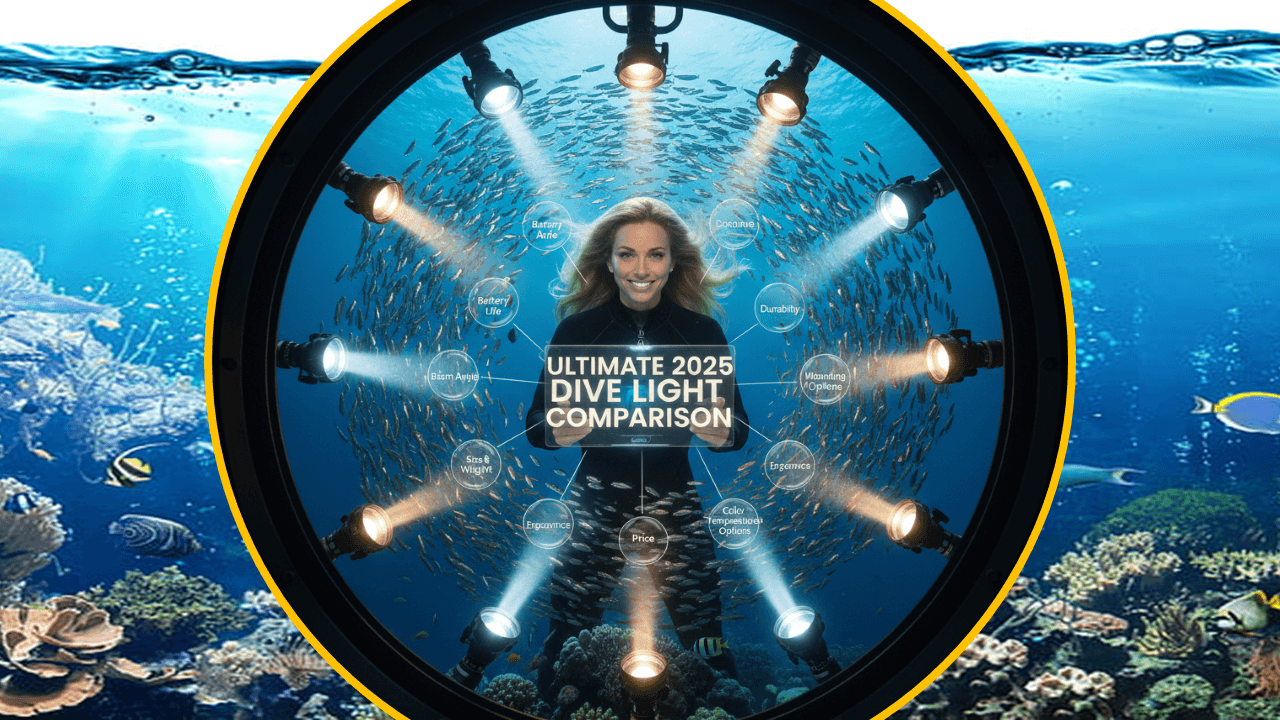 Scuba Gear Reviews & Buying Guides