

1. The Moment Everything Changes
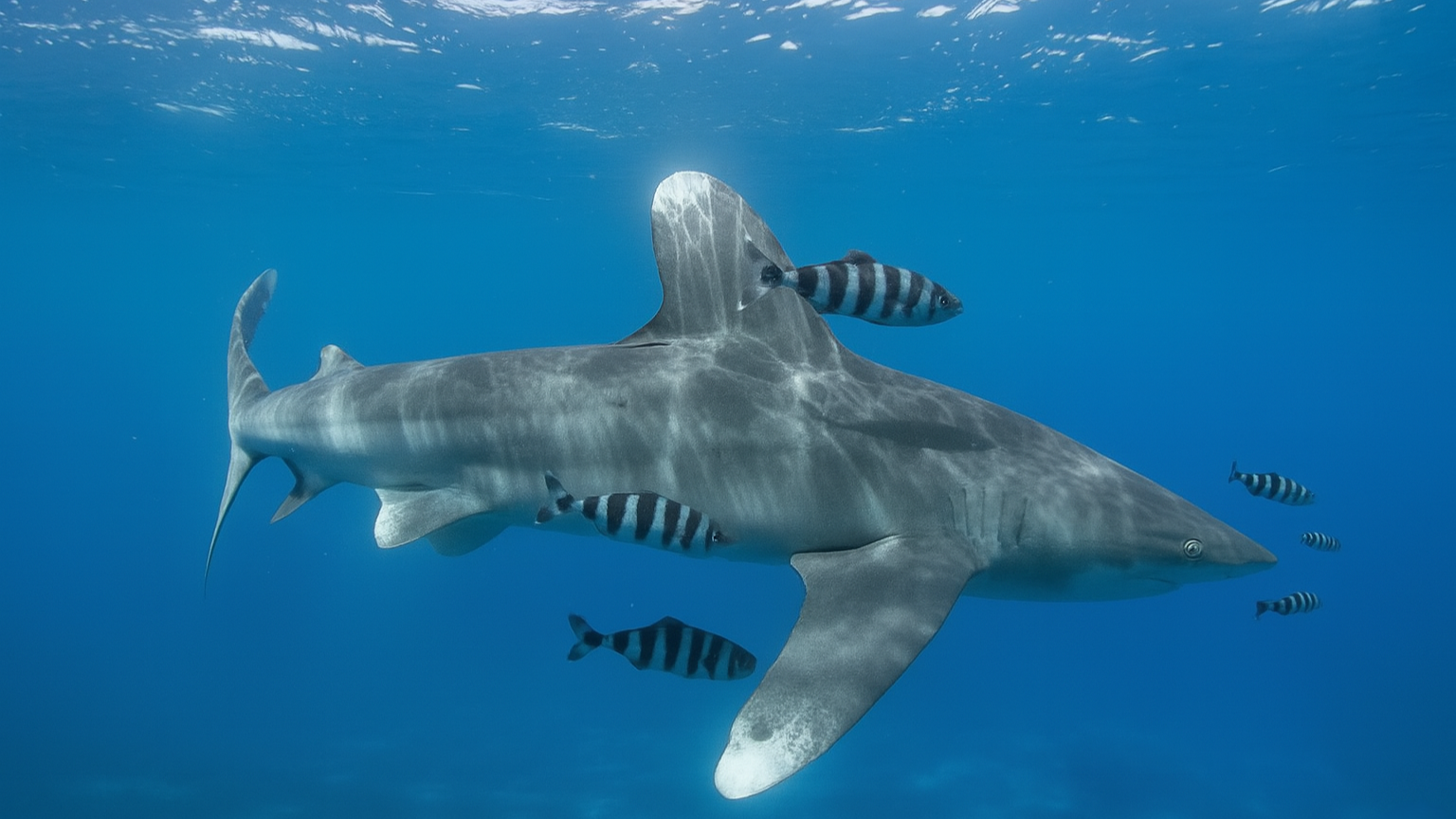
You descend into crystalline water at dawn. The house reef’s coral wall materializes beneath you like an underwater city. Twenty meters down, a green sea turtle glides past, unbothered by your presence. Then something catches your eye: three oceanic whitetip sharks emerge from the blue. Their distinctive, white-tipped fins catch the early November sunlight filtering through 25 meters of visibility. This is Marsa Shagra in November 2025. Egypt’s southern Red Sea delivers its most spectacular diving season against a backdrop of genuine eco-tourism pioneering that spans three decades.
In this Marsa Shagra review, this dive resort stands as the Red Sea’s original eco-diving resort. It offers something increasingly rare in dive tourism: unlimited independent diving on one of the region’s most pristine house reefs. It is coupled with genuine environmental stewardship that extends far beyond marketing slogans.
This Marsa Shagra review will highlight the unique features and experiences that the resort has to offer. The vibrant marine life and stunning coral reefs make this destination a must-visit for diving enthusiasts. In this Marsa Shagra review, we will delve deeper into the diving opportunities, accommodations, and overall experience at the resort.
By the end of this Marsa Shagra review, you will have all the information needed to plan your diving trip and make the most of your underwater adventures in the Red Sea.

2. Executive Summary
Property: Marsa Shagra Village (Red Sea Diving Safari)
Location: 40km south of Marsa Alam International Airport, southern Red Sea, Egypt
Diver Level Suitability: All levels. Shallow bay (1-10m) for beginners; house reef walls to 50m for advanced. Elphinstone requires 50+ dives.
Best Months: April-May and September-November (November is peak oceanic whitetip season)
Signature Dive Sites:
- House Reef: 2km protected reef. Unlimited diving, turtles and dolphins, depths 1-50m.
- Elphinstone Reef: World-class offshore pinnacle. October-December prime oceanic whitetip season, hammerheads, dramatic walls to 100m+
- Abu Dabbab: Semi-resident dugongs “Dennis” and “Dougal,” 120+ green sea turtles. Shallow bay perfect for all levels.
- Dolphin House (Sha’ab Samadai): Resident spinner dolphin pod, protected national park.
- 20+ additional sites: Including Daedalus Reef, Brothers Islands, Fury Shoals.
Dive Center: PADI 5-Star, TDI technical facility, on-site BaroMedical hyperbaric chamber (only one in the southern Red Sea). Unlimited house reef concept with zodiac access.
Price Range: $82 – $225 per night / per person (depending on hi/low season)1
Standout Features:
- 70% solar-powered resort (Green Fins Gold certified).
- Unlimited independent diving after orientation.
- 30+ years pioneering eco-diving operations.
- On-site recompression chamber with 24/7 medical staff.
- 5 accommodation types from traditional tents to deluxe chalets.
November 2025 Advantages: Peak oceanic whitetip season. Excellent thresher sharks. 24-27°C water. 20-40m visibility. Shoulder season pricing. Fewer crowds. Calm seas.
Guest Reviews
Staff
99%
Facilities
94%
Cleanliness
92%
Comfort
92%
Value for money
80%
Location
94%
3. Why November Transforms Red Sea Diving
The early morning air carries that particular November coolness of 17°C against your skin. You walk from your chalet to the dive shade, wet booties squelching on cement still damp from pre-dawn divers. The Red Sea stretches before you in layers. Turquoise shallows transition to sapphire depths. The water is so clear you can see the reef’s purple soft corals from shore. You zip your 5mm wetsuit, feeling it compress against your ribs. You taste salt spray on your lips as a light breeze kicks up. November has arrived at Marsa Shagra dive resort, bringing with it the season serious divers wait for all year.
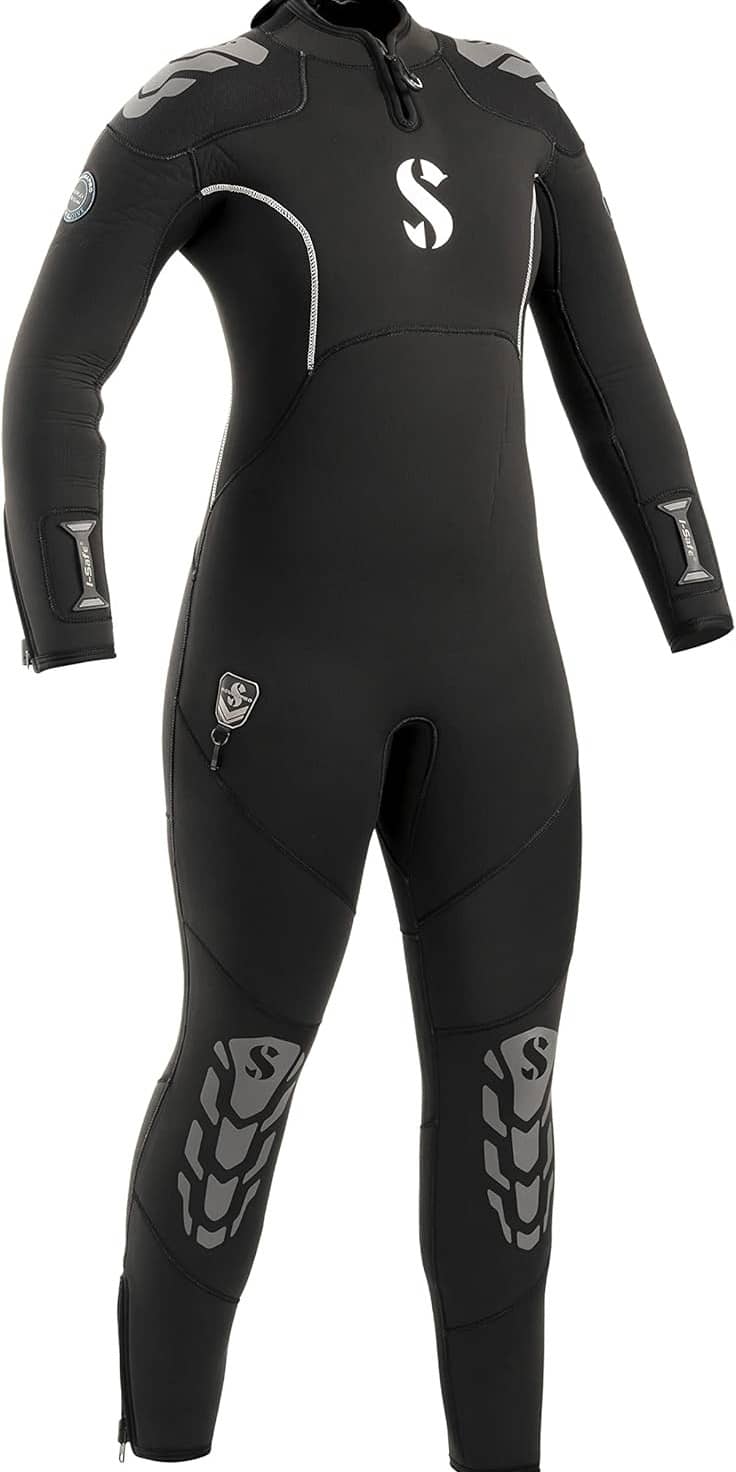
SCUBAPRO Everflex Yulex Dive Steamer, Women’s, 7.5/5.0mm
– Revolutionary Yulex Plant-Based Material
– Dual-Layer Comfort System
– Comprehensive Size Range
– Professional-Grade Seam Construction
November represents the sweet spot in the Red Sea diving calendar when water clarity peaks, temperatures remain comfortable, and some of the ocean’s most magnificent predators arrive. The oceanic whitetip sharks that have declined 98% globally since the 1960s migrate closer to reefs like Elphinstone during October through December, making November your prime window for encounters with these critically endangered animals. Water temperatures of 24-27°C demand only a 5mm wetsuit while delivering 20-40 meters of visibility—crystal-clear conditions that summer’s plankton blooms never match.
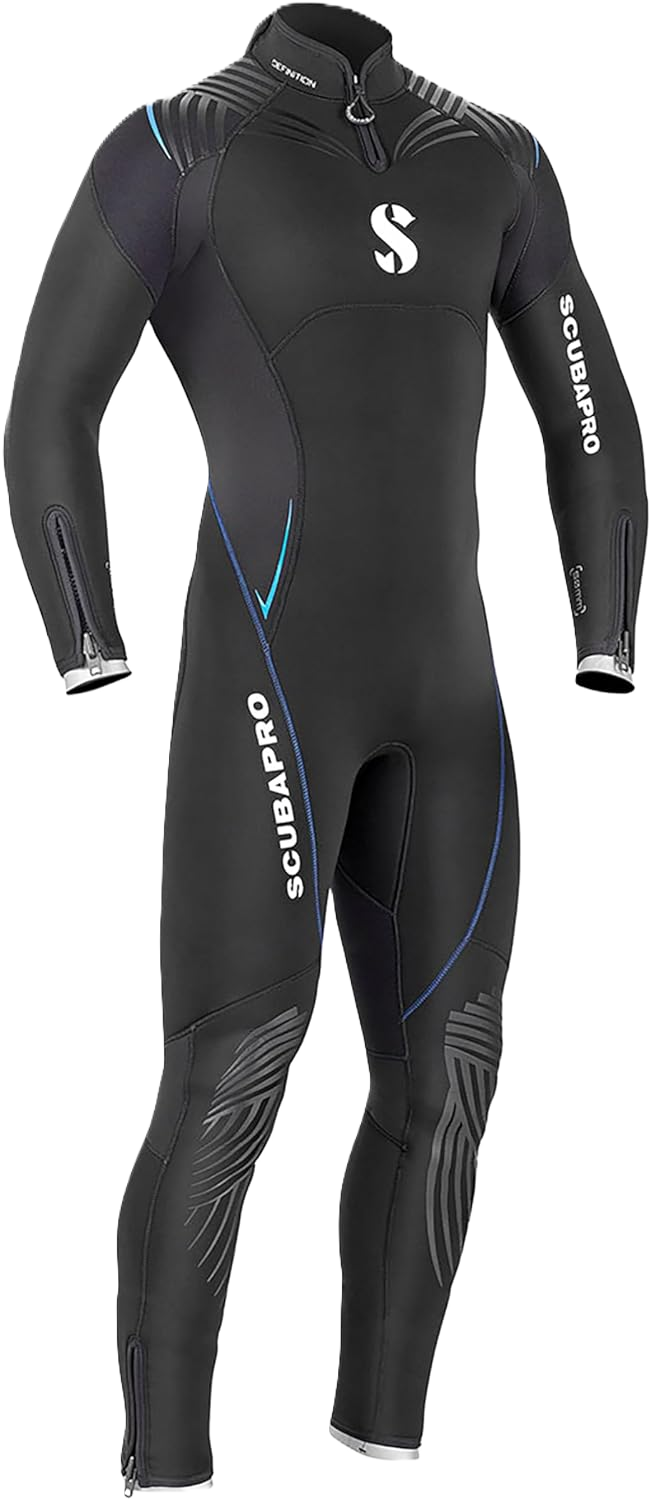
SCUBAPRO Definition Steamer 5mm Men’s Diving Wetsuit
– Class B Certified Thermal Protection
– Body Map System for a Glove-Like Fit
– Premium Stretch Fabrics
– Easy Donning & Doffing
– Available in Multiple Sizes & Colors
Best Time to Visit: Month-by-Month Comparison
4. The Diving Experience: Unlimited Access to Red Sea Excellence
How the Unlimited Diving Concept Works
Marsa Shagra dive resort pioneered a revolutionary approach to resort diving: after one mandatory orientation dive on your first day, certified divers are free to explore the 2-kilometer-long house reef independently from 6:00 AM until 8:00 PM. The system operates through a simple buddy board where you sign out, grab a tank from the well-stocked equipment room, and descend whenever inspiration strikes.
Want a pre-breakfast dawn dive when reef sharks patrol? A midday macro photography session hunting nudibranchs? A sunset dive followed by a night dive with your dive light illuminating sleeping parrotfish? All on your schedule, then Marsa Shagra is for you!
For those considering a visit, this Marsa Shagra review provides insights into the best times to dive and the signature dive sites that await you. Each dive session is an opportunity to encounter marine life that is unique to Marsa Shagra, making this a prime destination for underwater exploration.
The unparalleled diving experience at Marsa Shagra offers not just a variety of marine life but also the chance to explore the fascinating underwater landscapes of the Red Sea. Each dive unveils new treasures, ensuring every visit feels unique.
During your stay, you will discover why this Marsa Shagra review emphasizes the importance of choosing this eco-conscious resort for your diving adventures. Not only does the resort provide excellent diving conditions, but it also prioritizes marine conservation, ensuring that divers can enjoy the underwater world responsibly.
The shoulder season timing means smaller crowds at dive sites, easier booking for Elphinstone excursions, and more intimate reef encounters. Air temperatures of 25-29°C during the day create perfect surface intervals. Evening temperatures of 17-20°C offer comfortable relief without extreme heat. The seasonal cooling triggers feeding behaviors in pelagic species, drawing thresher sharks (September-February peak), late-season hammerheads, and the ever-present dugongs and turtles into more active patterns.
This Marsa Shagra review will also cover the diverse marine life you can expect to see during your dives, including the unique species that inhabit the house reef. The rich biodiversity of the area contributes to its reputation as a premier diving location.
Understanding how dive tourism supports marine conservation helps contextualize why choosing Marsa Shagra dive resort in November matters. Your tourism dollars directly fund the reef protection that maintains these exceptional diving conditions.
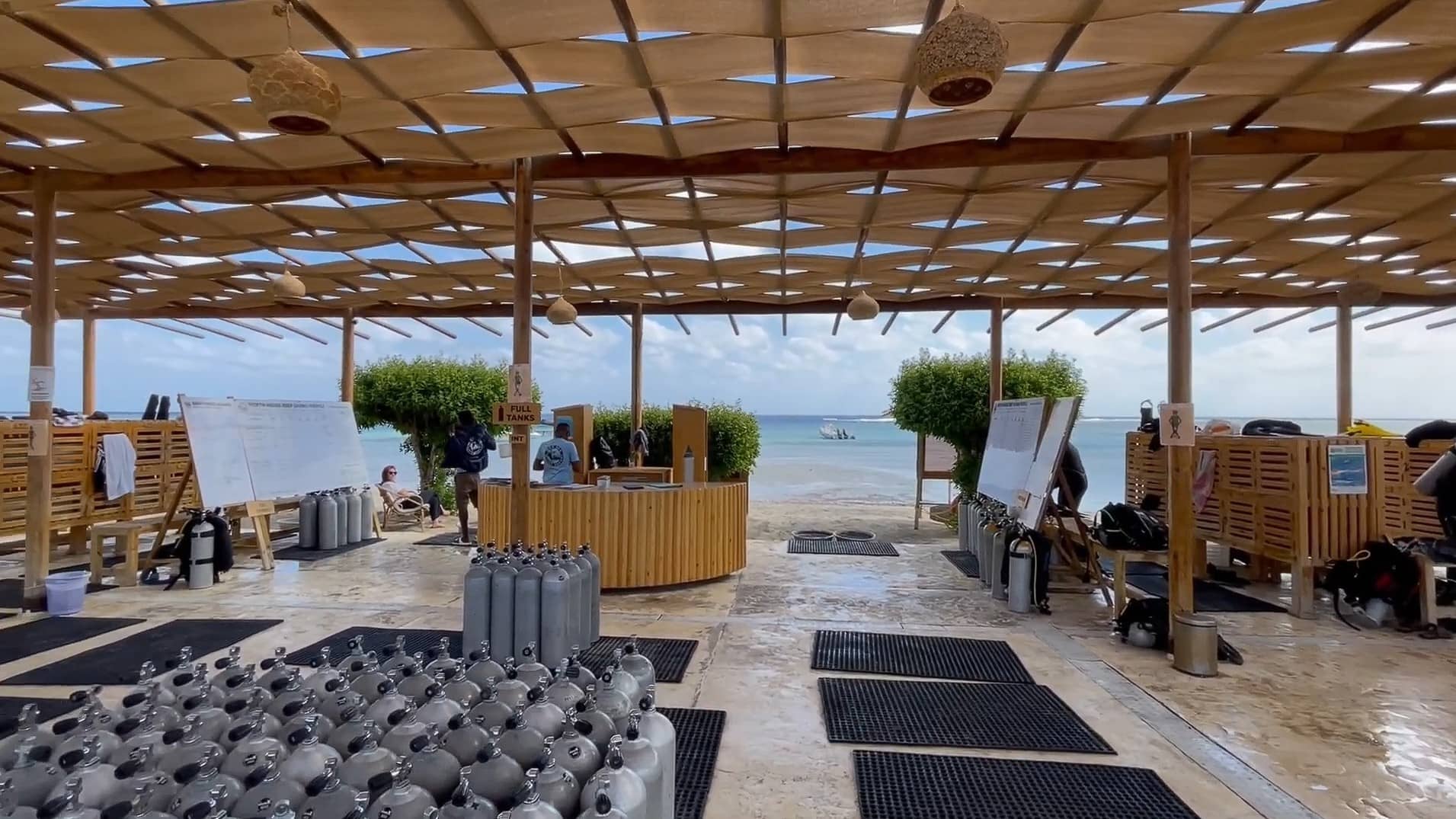
Screenshot from the YouTube video “Red Sea Diving Safari 2024 – Marsa Shagra Village – Probably the Best Diving Resort in Egypt” by Bjarne Kullebo. Source: YouTube. Https://youtu.be/Xen4-nPi0HQ
The commitment of Marsa Shagra to environmental sustainability is reflected in its practices, ensuring that each dive not only enriches the diver’s experience but also supports the health of the marine ecosystem.
The dive shade location is a beachfront facility with individual storage lockers, multiple rinse tanks, camera charging stations, and drying areas and sits just five meters from the entry point. Thick-soled boots are mandatory for the rocky shore entry, which opens into a protected sandy bay before the coral wall descends into deeper water. Don’t want to shore dive? Zodiacs ferry you to northern or southern reef sections throughout daylight hours, dropping you wherever you prefer and retrieving you after your bottom time.
This freedom distinguishes Marsa Shagra dive resort from traditional resort diving, where you’re locked into boat schedules and guided groups. Underwater photographers spend three-hour sessions stalking the perfect shot. Technical divers explore the deeper walls to 50 meters. Beginners gradually build confidence in the shallow bay. Everyone dives at their own pace, within their certification limits, supported by a professional staff that monitors entries and exits without micromanaging your experience.
5. The House Reef: A 20-Year Protected Masterpiece
Your fifth dive of the day begins with a familiar ritual: thick-soled boots crunching across the rocky entry. That moment of weightlessness as you kick past the sandy bay into deeper water. The subtle pressure change in your ears as you descend along the wall. At fifteen meters, you pause to adjust your camera strobe. The reef explodes in color, with purple soft corals waving in the invisible current. Table corals stretch like dinner plates, and a green sea turtle surfaces for breath twenty meters ahead. You hear your buddy’s shutter click through the water, that distinct metallic snap. A flash of movement catches your eye: a whitetip reef shark resting in a cave opening, unbothered by your presence. You’ve dived this reef four times already today, and it still reveals new corners, new residents, new moments. This is what protection buys, not just coral coverage percentages, but genuine abundance that rewards patience and observation.
As detailed in this Marsa Shagra review, the resort’s commitment to sustainability and protecting the marine ecosystem sets it apart from other diving destinations. Visitors can dive freely, knowing they are supporting a model of responsible tourism.
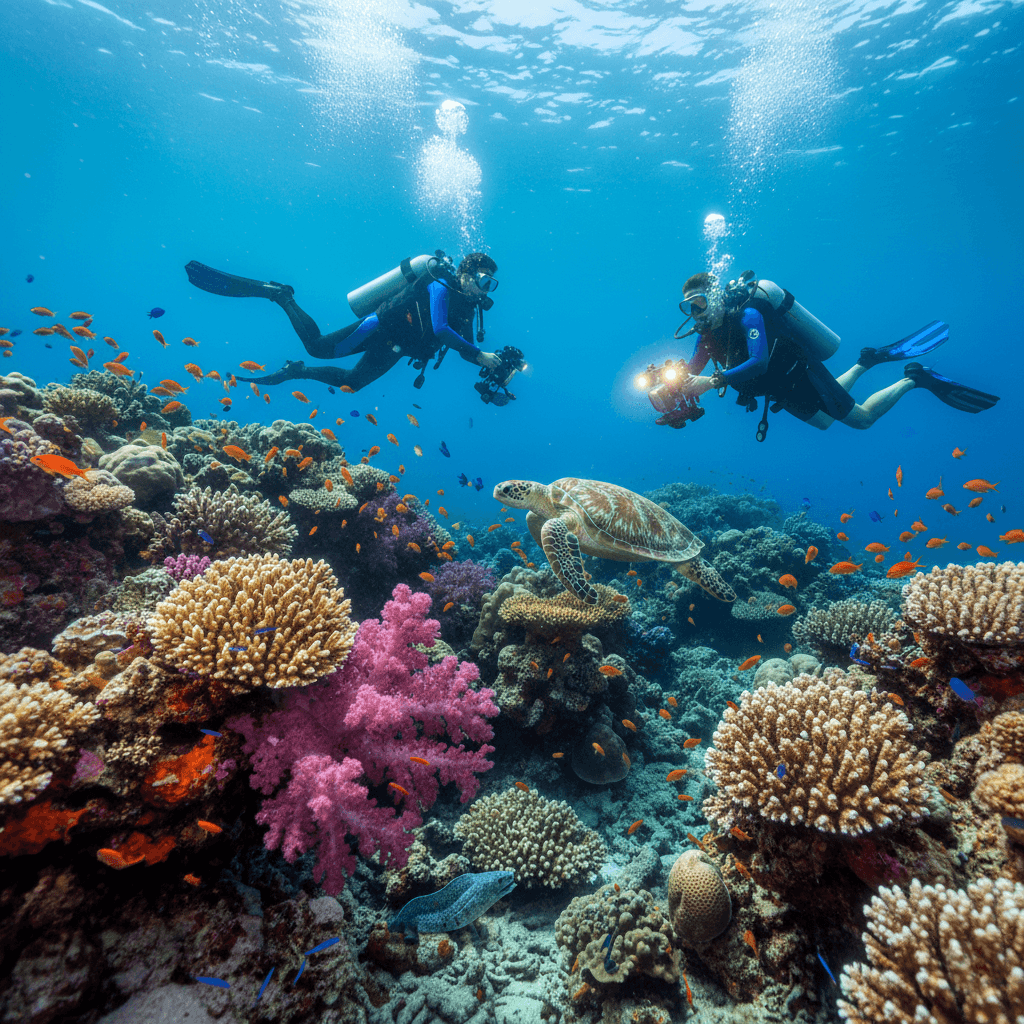
Red Sea Diving Safari’s commitment to reef protection has created something remarkable. Many of the photographs in Red Sea coral identification guides originated here. The house reef stretches two kilometers along the coastline, protected from fishing and development since 1990. Hard coral coverage averages 49.5% at Marsa Shagra dive sites, significantly higher than the regional average of 39.1%, according to 15 years of Reef Check monitoring data collected by marine biologists.
Five endemic species call this reef home, along with resident populations that include at least five green sea turtles you’ll encounter almost daily. Giant morays peer from crevices alongside napoleons and groupers. Whitetip reef sharks rest in caves during the day. Anemone gardens host clownfish that have grown habituated to photographers. The coral itself displays spectacular health, with table, brain, and soft corals in purples and yellows creating landscapes that rival any Red Sea dive site.
Night diving transforms the reef entirely. Spanish dancers emerge from hiding, hunting lionfish patrol aggressively, and octopuses hunt across the coral bommies. Diving until 8:00 PM means you can complete a sunset dive and return for dinner, or squeeze in that fifth dive of the day when most resort divers are limited to three.
Throughout this Marsa Shagra review, we will spotlight the various features that make this resort a top choice for divers. From the expertly maintained dive sites to the friendly staff, every aspect adds to an unforgettable diving experience.
6. Elphinstone Reef: November’s Shark Spectacular
The current hits you at twenty-eight meters like a physical hand pushing against your ribs. You hook into the reef and wait, controlling your breath, fighting the instinct to kick against the force of moving water. Your regulator delivers metallic-tasting air in a measured rhythm: inhale, exhale are the only sounds in the blue void. Then your peripheral vision catches movement. Not the quick darting of reef fish, but something substantial, purposeful. The distinctive white-tipped pectoral fins emerge first, pilot fish trailing like an entourage. Your heart rate spikes. Your breath quickens. You force yourself to stay still, to be small, to become part of the reef. The shark is easily three meters, closer and closer, passing within arm’s reach, close enough to see the scars of living a life in the tough open ocean. And underneath the adrenaline, underneath the privilege of this moment, sits the weight of knowing: you’re watching one of the only 2% that survived.
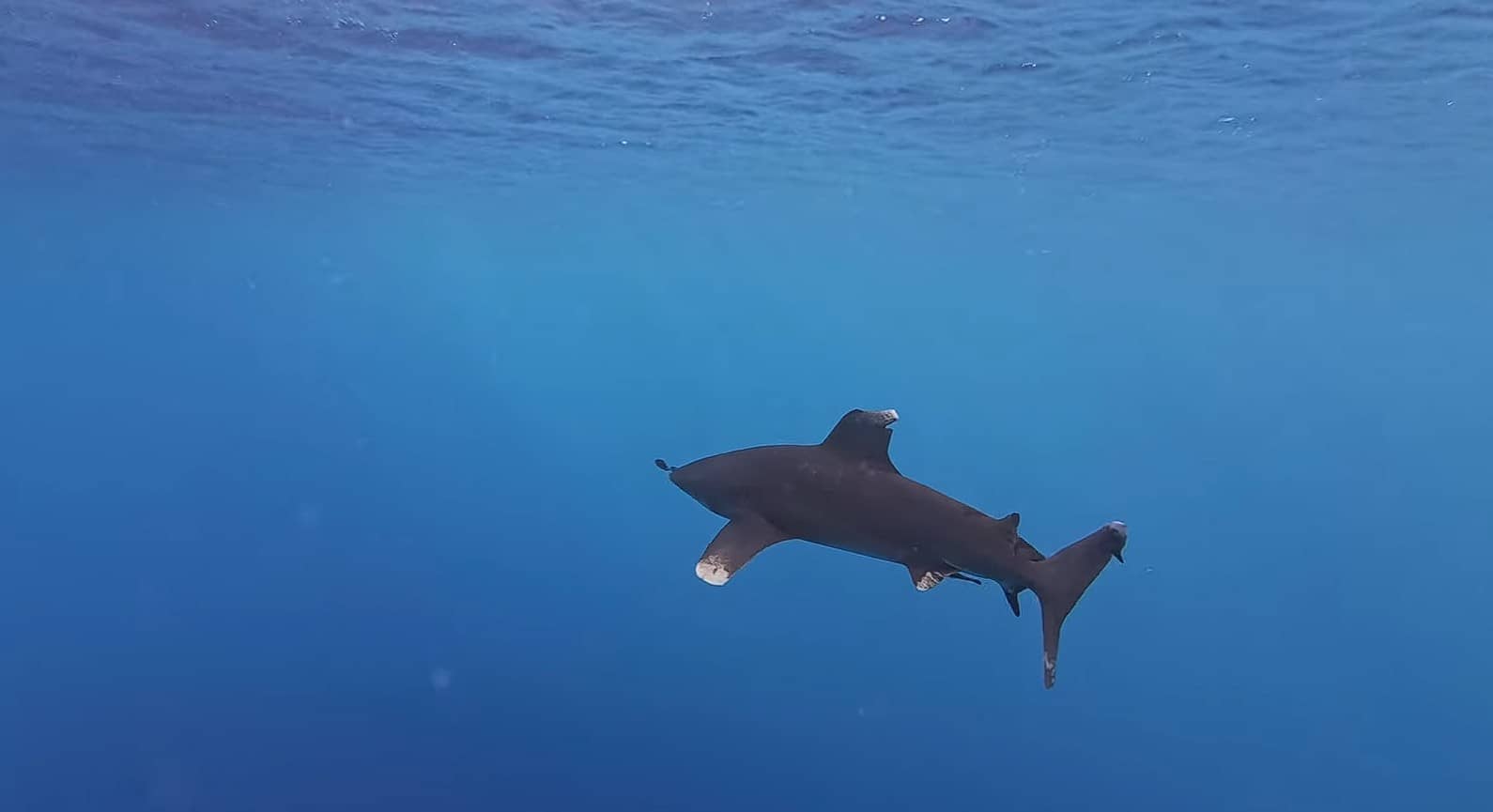
Elphinstone Reef deserves its reputation as one of the world’s most thrilling dive sites and is often listed among the world’s top 10 dive locations. November’s timing maximizes your chances for the encounters that define this 375-meter offshore pinnacle. The reef rises from 100+ meter depths to just below the surface, creating dramatic plateaus, caves, and sheer walls decorated with soft corals. Strong currents bring nutrients and pelagics, but more importantly, they bring sharks.
 Oceanic whitetip sharks reach their peak presence from October through December. These substantial animals (up to 3.5 meters) display curiosity rather than aggression, often accompanied by schools of pilot fish. Their populations have crashed globally, making each encounter precious. Early November offers water temperatures still in the 27°C range when these sharks patrol most actively. Dive operators report regular sightings during this window, though marine life never offers guarantees.
Hammerhead sharks, while peaking in July through September, still appear on November mornings. Scout individuals often precede the school—if you see one hammerhead, stay patient and watch the blue. Their distinctive silhouettes emerging from deep water at 30 meters create moments that underwater photographers travel thousands of miles to capture. The dive requires advanced certification and a minimum of 50 logged dives due to strong currents, deep profiles, and open-ocean exposure.
The boat journey from Marsa Shagra dive resort takes approximately 20 minutes, typically departing at 6:00 AM for optimal conditions. Most packages include two dives, a surface interval, and lunch. Expect to pay ~$70-85 plus National Park fees.
7. Essential Gear for November Red Sea Diving
AFFILIATE DISCLOSURE: ScubaInsider.pro participates in the Amazon Associates Program and DAN Affiliate Program. We earn small commissions from qualifying purchases at no additional cost to you. These commissions help support our independent dive journalism and gear testing.
Dive Computer with Nitrox Capability
The unlimited diving concept at Marsa Shagra dive resort means you’ll log more dives in a week than many divers complete in six months. A reliable dive computer becomes essential for tracking nitrogen loading across 4-5 daily dives. Nitrox availability extends your bottom times and reduces nitrogen accumulation. Your computer must be able to handle enriched-air calculations. We recommend setting your computer to conservative algorithms to prevent pushing limits during high-volume diving.
Shearwater Perdix 2
Has been my go-to dive computer since my last upgrade in 2019, then the Perdix AI. After using this computer for over six years, I can confirm it’s worth every penny, especially for unlimited diving trips where nitrogen overloading can be problematic.
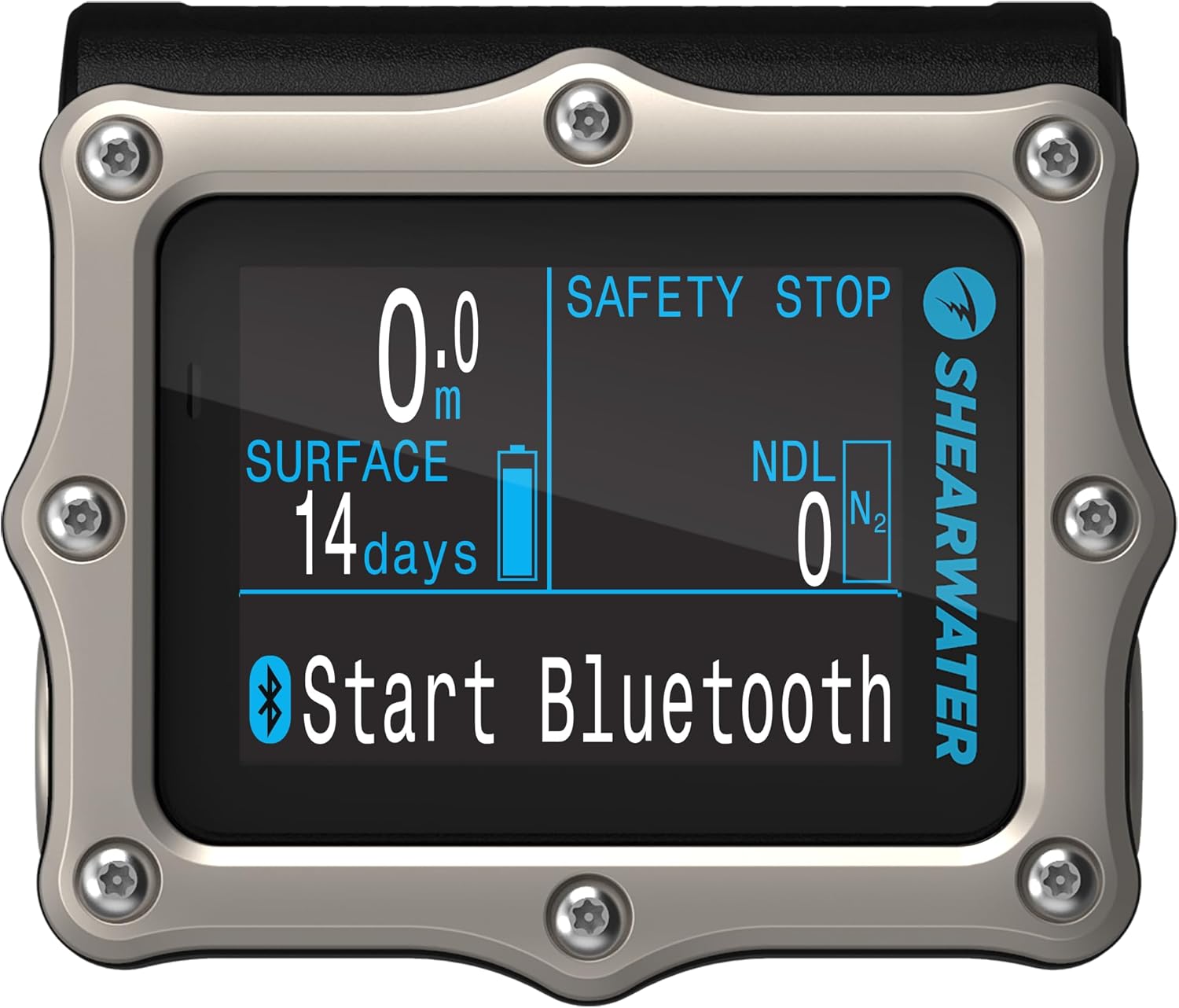
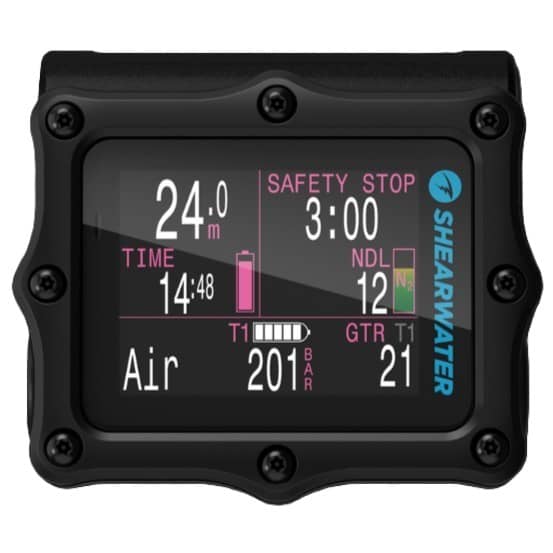
Shearwater Perdix 2
- Vibrant 2.2″ LCD with LED backlight and 320×240 resolution
- Supports 5 Open Circuit and 5 Closed Circuit gases
- Extensive Dive Logging ~1,000 hrs.
- Depth rating of 850′ (260m) and a tough aluminosilicate glass lens
The vibrant color screen remains readable even at midday during surface intervals (many competitors’ models’ screens wash out in bright sunlight), and the easy-to-replace in the field AA battery is stated to last 60 hours. With my maintenance schedule, the battery is replaced before any issues arise, and the Bühlmann GF algorithm with adjustable conservatism lets you dial in your comfort level for high-volume diving.
The large digits mean you can quickly check NDL time during photography sessions without losing focus on your subject. Intuitive presets in the dive computer make switching gas mixtures easy without fumbling through complex menus.
- ENHANCED VISIBILITY
- EXTENDED DIVE TIME
- RUGGED DURABILITY
- VERSATILE GAS SWITCHING
- EXTENSIVE DIVE LOGGING
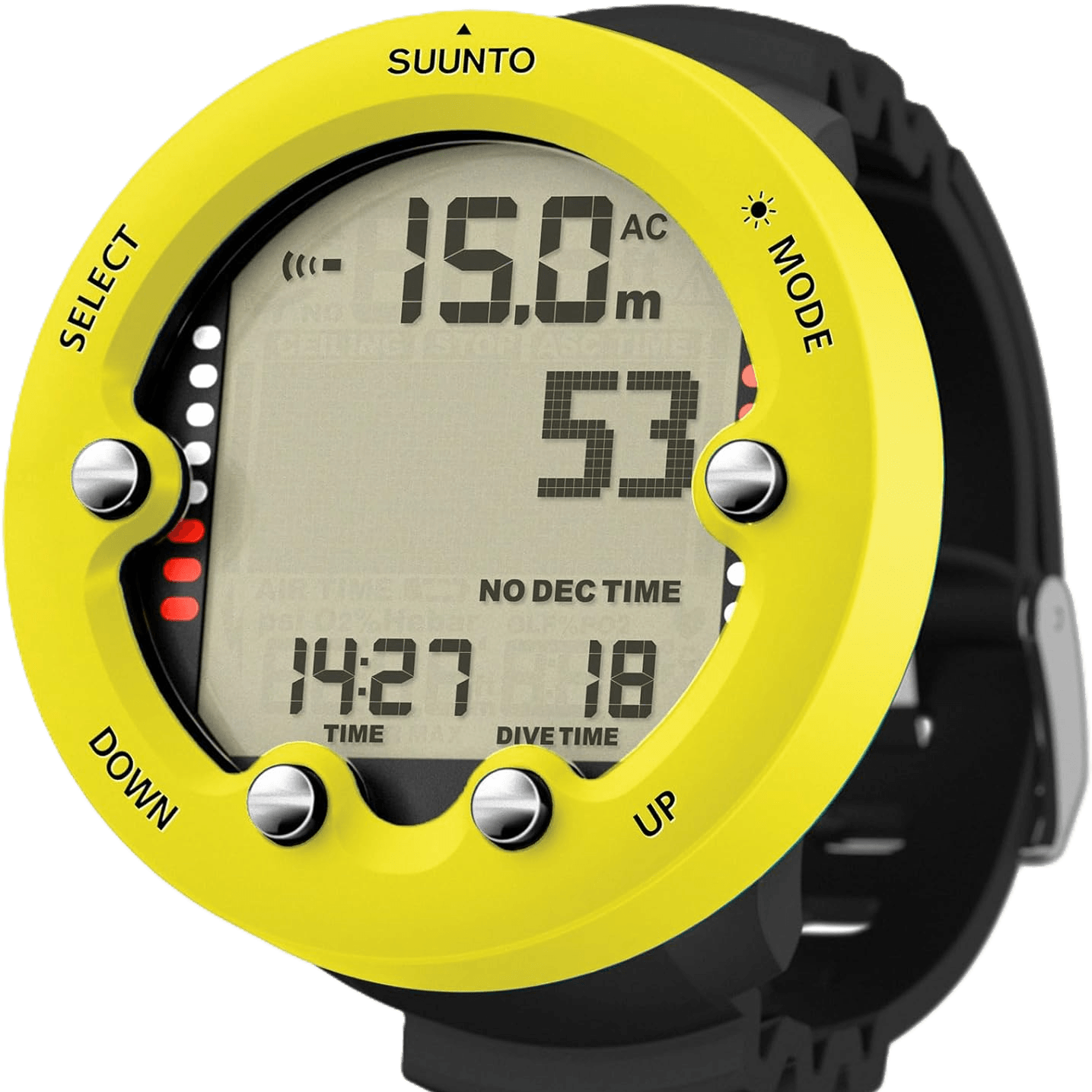
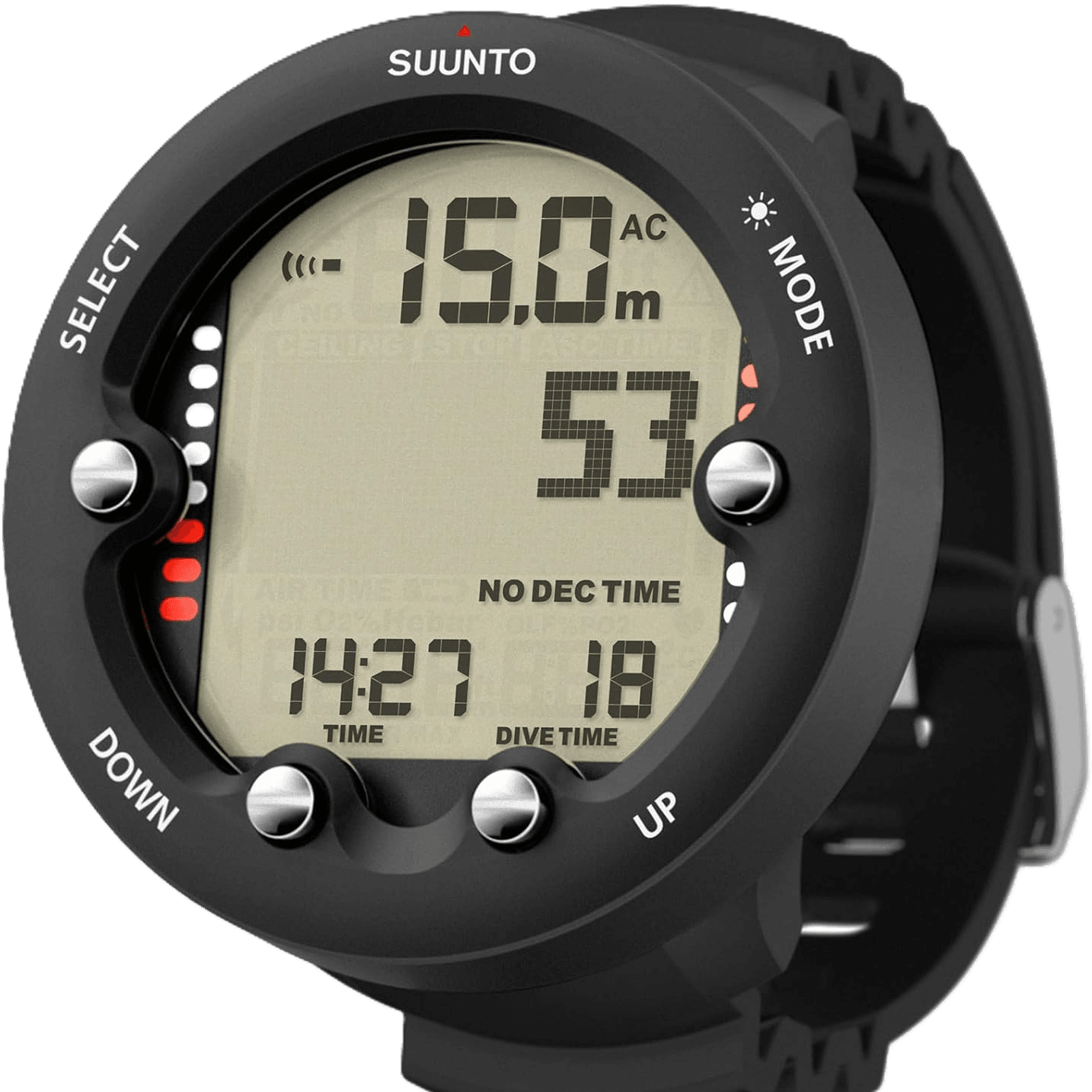
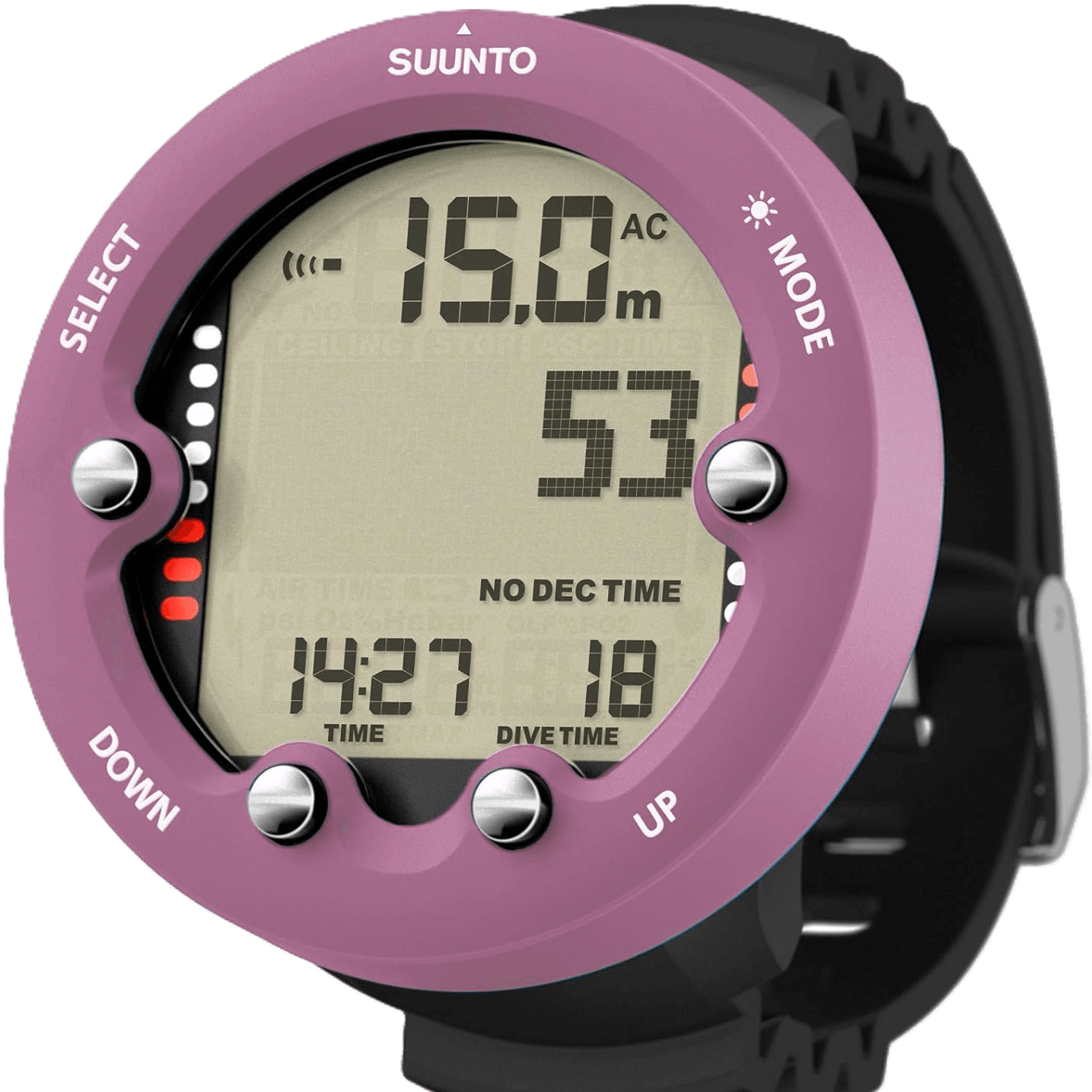
A reliable, conservative algorithm makes it ideal for newer divers or those seeking a maximum safety margin during unlimited diving.
The screen isn’t as bright as the Perdix’s, but battery life is exceptional (a replaceable CR2450 can last up to 2+ years). This was my first computer and survived 300+ dives before I upgraded.
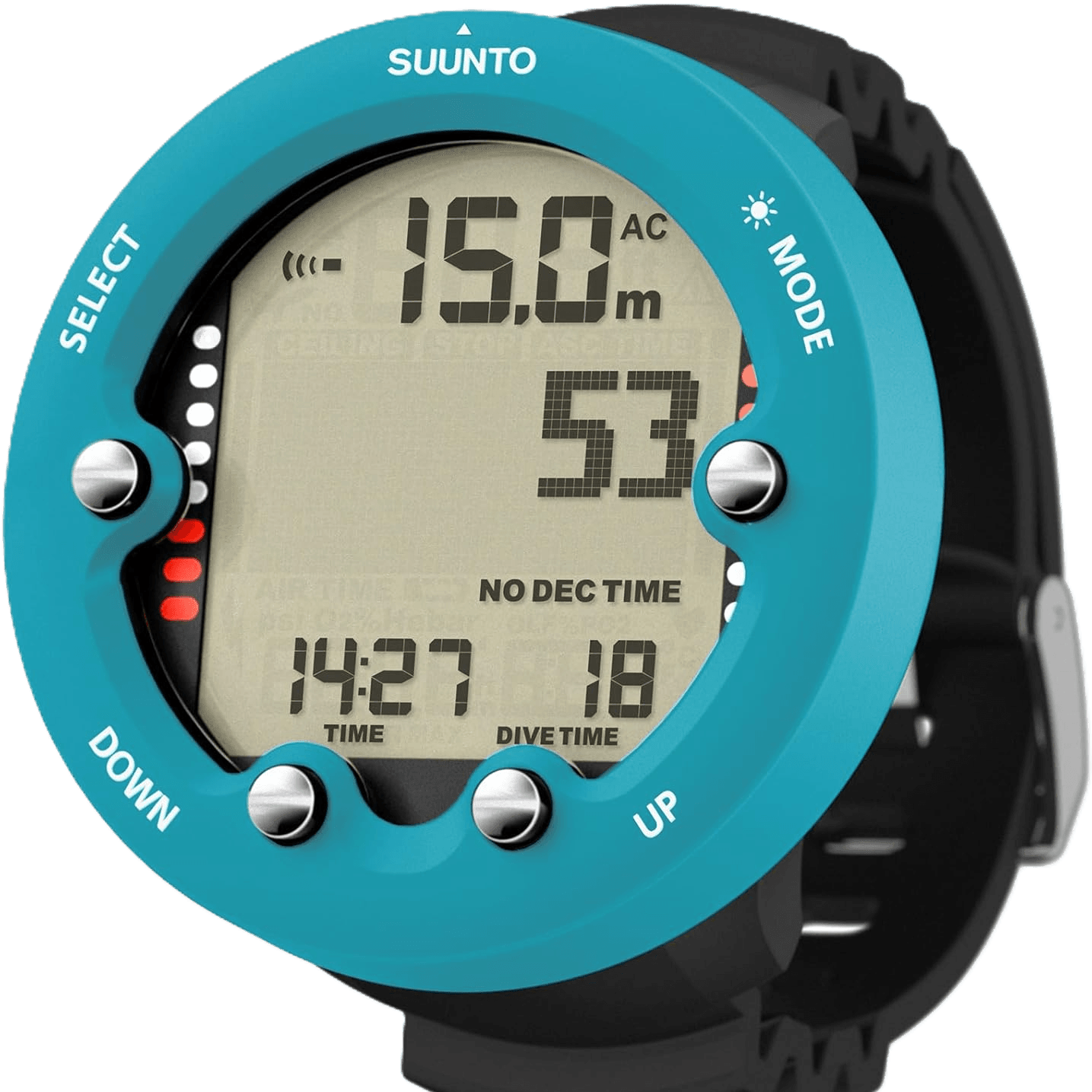
Budget Option: Suunto Zoop Novo
Important: Whichever computer you choose, be sure to run it in conservative mode for your first 2-3 days of unlimited diving until you understand how your body responds to this dive volume. Your first day of 4-5 dives will feel very different than your usual 2-dive boat trip.
Be sure to master your computer before arriving at Marsa Shagra. It’s one of the most critical pieces of safety equipment.
Reef-Safe Sunscreen
Multiple reviews noted the house reef could benefit from mandatory reef-safe sunscreen requirements. Do your part by using only mineral-based (zinc oxide/titanium dioxide) formulas free from oxybenzone, octinoxate, and harmful chemicals. November’s 10+ hours daily sunshine delivers intense UV exposure during surface intervals. Apply generously to face, neck, ears, and hands—areas your wetsuit leaves exposed.
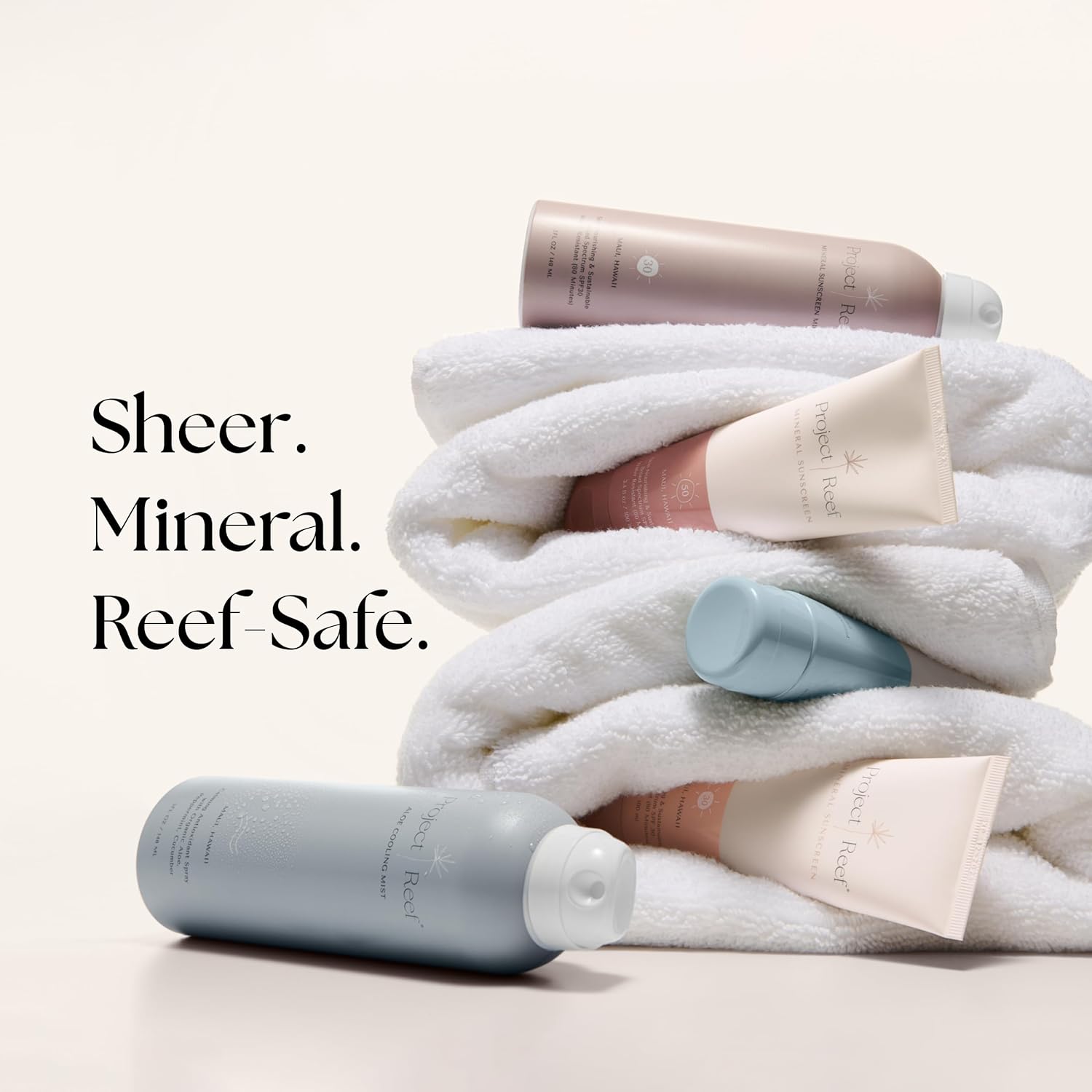
Project Reef SPF 50 Mineral Sunscreen
Ocean Friendly & Hawaii Compliant! Made with non-nano zinc oxide minerals, is vegan, reef-safe, and meets Hawaii Reef Act 104 standards, the strictest environmental guidelines for sunscreens
Budget Alternatives:
Happy Ocean SPF 45 earns its spot for being the ideal eco-conscious travel companion. Its non-nano zinc oxide formula is fully biodegradable and reef-safe, plus it’s fragrance-free and organic, making it perfect for sensitive skin. The 2.5 oz tube is TSA-compliant, ensuring you can protect your skin and the ocean wherever you go.
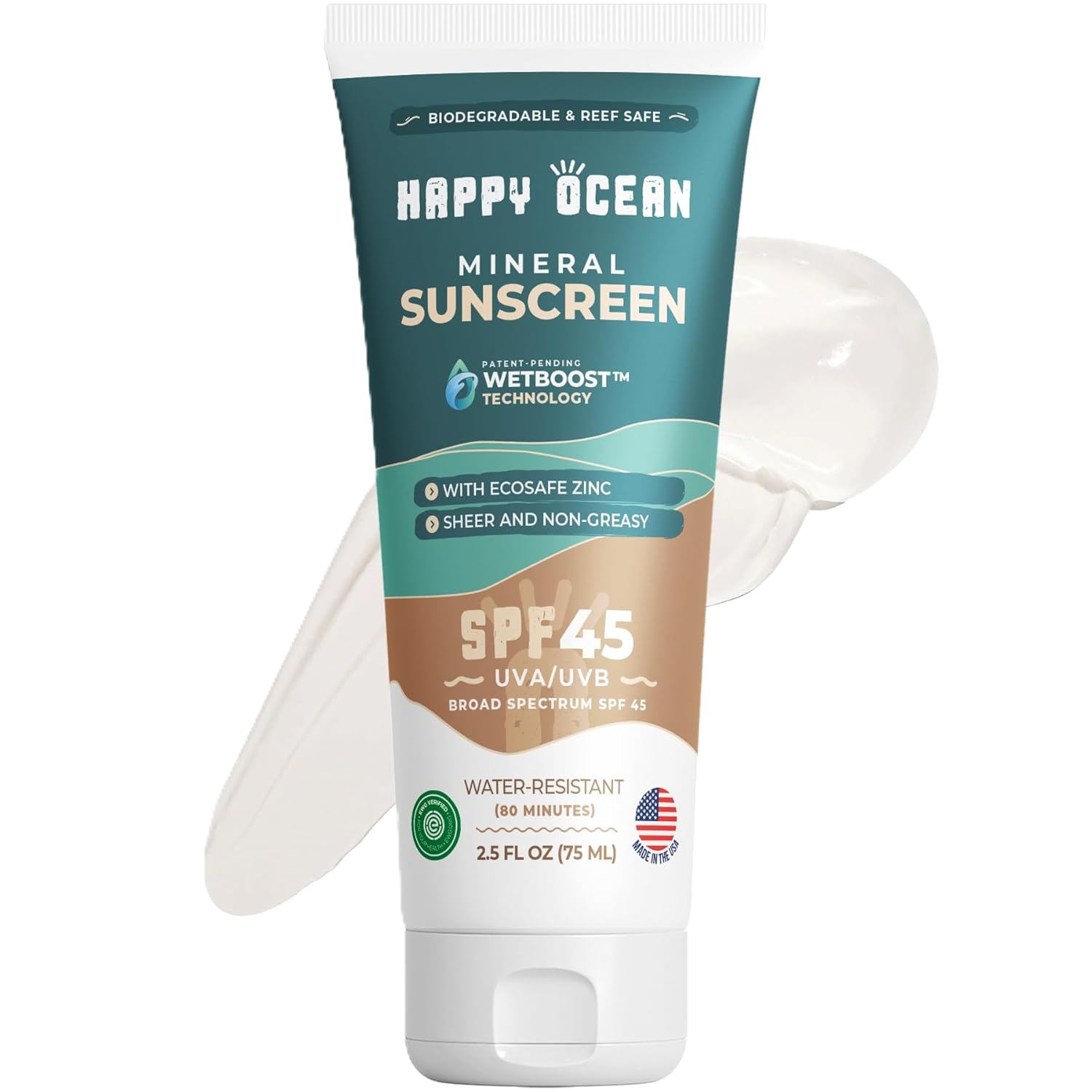
Happy Ocean Biodegradable Reef Safe Sunscreen SPF 45
- SUPERIOR UVA/UVB PROTECTION
- ORGANIC & NON-GREASY FORMULA
- ECO-FRIENDLY & REEF SAFE
- WATER-RESISTANT & SEA SAFE
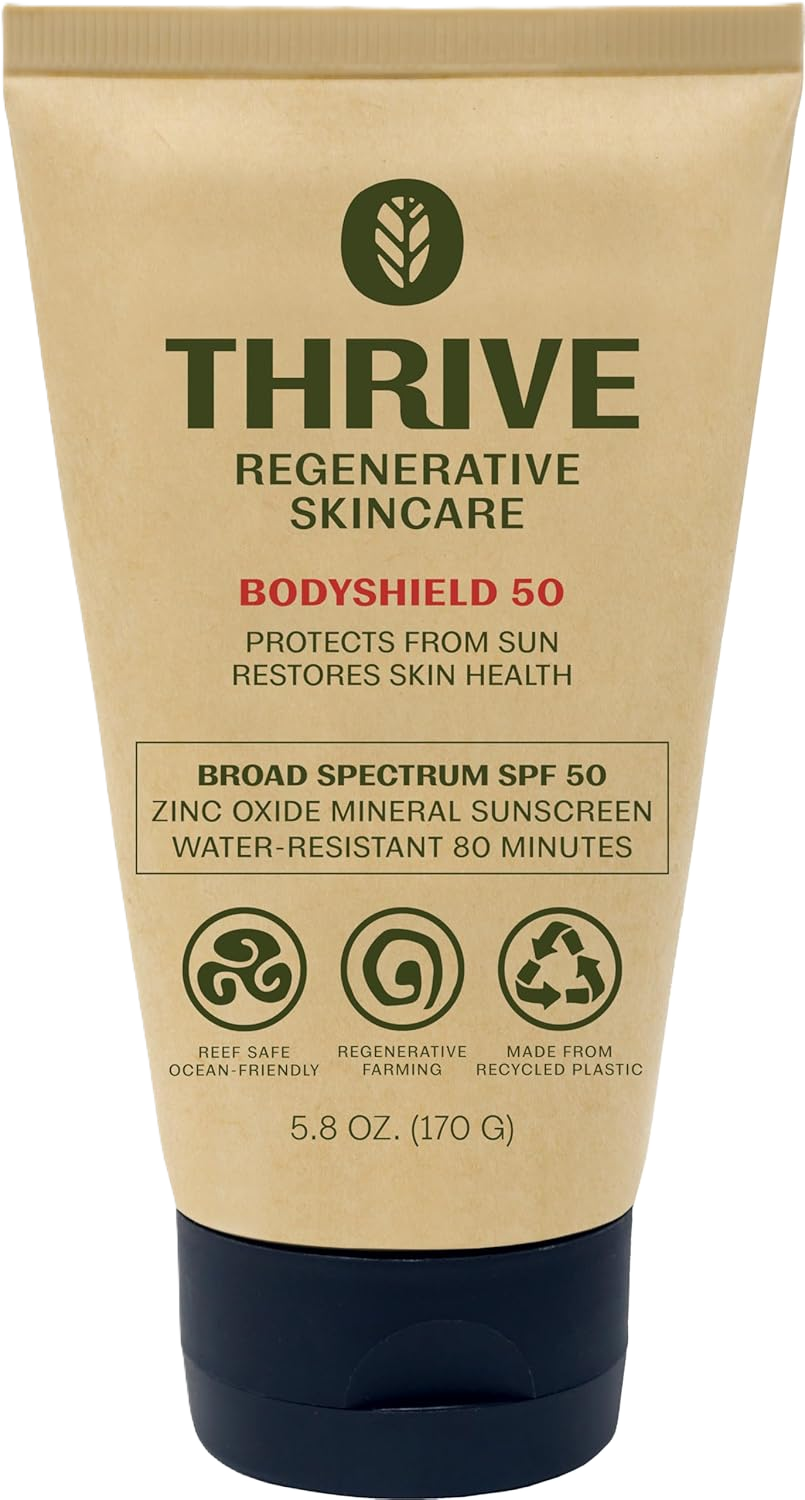
Thrive Natural Care SPF 50 is a top choice for those seeking robust, high-performance protection, Thrive Natural Care is our top pick. It offers a powerful SPF 50, and its 100% vegan, non-nano zinc formula is fully compliant with the Hawaii 104 Reef Act. This is the go-to for consumers who demand high SPF and clean, plant-based ingredients in a generous size for the whole family.
Thrive Natural Care Reef Safe Sunscreen SPF50
- REEF SAFE SUNSCREEN 23.5% NON-NANO ZINC OXIDE
- SPF 50 BROAD SPECTRUM PROTECTION
- NATURAL SPF PROTECTION
Dive Light
Even daytime diving benefits from a quality light for illuminating coral colors at depth and peering into caves and overhangs where morays, lionfish, and sleeping sharks rest. Night diving the house reef transforms without a powerful light—Spanish dancers, hunting octopuses, and the entirely different nocturnal reef community require good illumination. November’s extended diving hours (until 8:00 PM) mean you’ll use that light regularly.
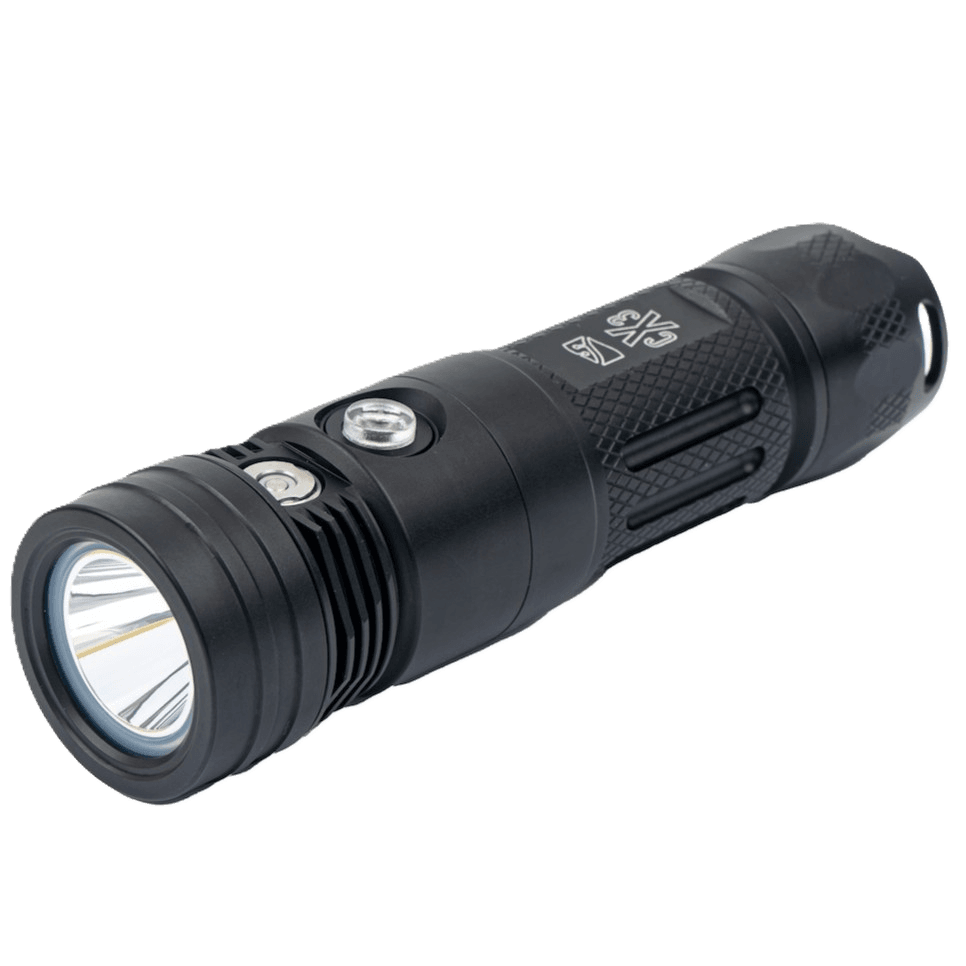
CX3 Handheld Light
Our Top Pick: Dive Rite CX3 1900 Lumens – After field-testing multiple dive lights, The Ultimate 2025 Scuba Dive Light Comparison: 8 Key Factors, the CX3 delivers the power and reliability that unlimited diving demands. With a burn time of 3 hours at 1900 lumens on high beam, it cuts through even moderate particulate in the water, while the 950-lumen medium setting (50%) provides perfect illumination for up to 5.5 hours without draining the battery.
The 8-degree focused beam illuminates coral walls without creating harsh hotspots that wash out colors in underwater photography—critical when you’re shooting the house reef’s purple soft corals and yellow sponges. I particularly enjoy the magnetic charging, which keeps you from searching for missing parts and pieces on your knees late at night or on the boat. Another function I appreciate is the strobe mode, which works great for signaling underwater or potentially getting someone’s attention at the surface.
The Goodman-style handle (sold separately) is worth considering if you’re shooting video or want a hands-free lighting system. The standard hand-held configuration works perfectly for recreational diving and general illumination.
 Critical Backup: Orcatorch D710 – This isn’t a “cheap backup”—it’s a legitimate 3000-lumen dive light that serves double duty as both your backup safety light and a secondary primary when you need it. The remarkable output at this price point makes it the backup that outperforms many divers’ primary lights.
I keep mine clipped to my BCD chest strap and test it before every dive. A backup light isn’t optional—it’s the difference between completing your safety stop safely and a panicked ascent in darkness. The D710’s battery indicator prevents the “dead light mid-dive” scenario I experienced before learning this lesson the hard way.
The tight 6-degree spot beam makes it excellent for signaling (essential for night diving and independent house reef diving, where you need to communicate with buddies across distance).
Pro Tip: Remove batteries for extended storage, always charge batteries before storing, and charge both lights the night before your arrival at Marsa Shagra, and recharge after every 2-3 dives. Don’t wait until they’re dead. The unlimited diving schedule means you might suddenly decide on that sunset dive, followed by a night dive, and discovering dead batteries at 7:00 PM ruins those plans.
Surface Marker Buoy with Reel
Independent diving on the house reef and boat diving Elphinstone’s currents both require reliable surface signaling. The Red Sea sees significant boat traffic, and surfacing away from shore without a visible marker creates serious danger. A 2.1-meter tall SMB in high-visibility orange or pink with 30+ meters of line allows safe ascents and three-minute safety stops while signaling your position to surface craft.
This equipment isn’t optional; it’s essential safety gear that can prevent serious incidents and even save lives. I learned this the hard way during a drift dive when my group surfaced nearly 200 meters from the boat in choppy seas. Without our SMBs, the captain might never have spotted us. Unfortunately, not all divers are as fortunate. In fact, situations like this are at the heart of my “Left at Sea: Stories of Divers Adrift & How Not to Become One” article, which highlights how quickly a routine dive can turn dangerous when visibility, currents, and communication break down.
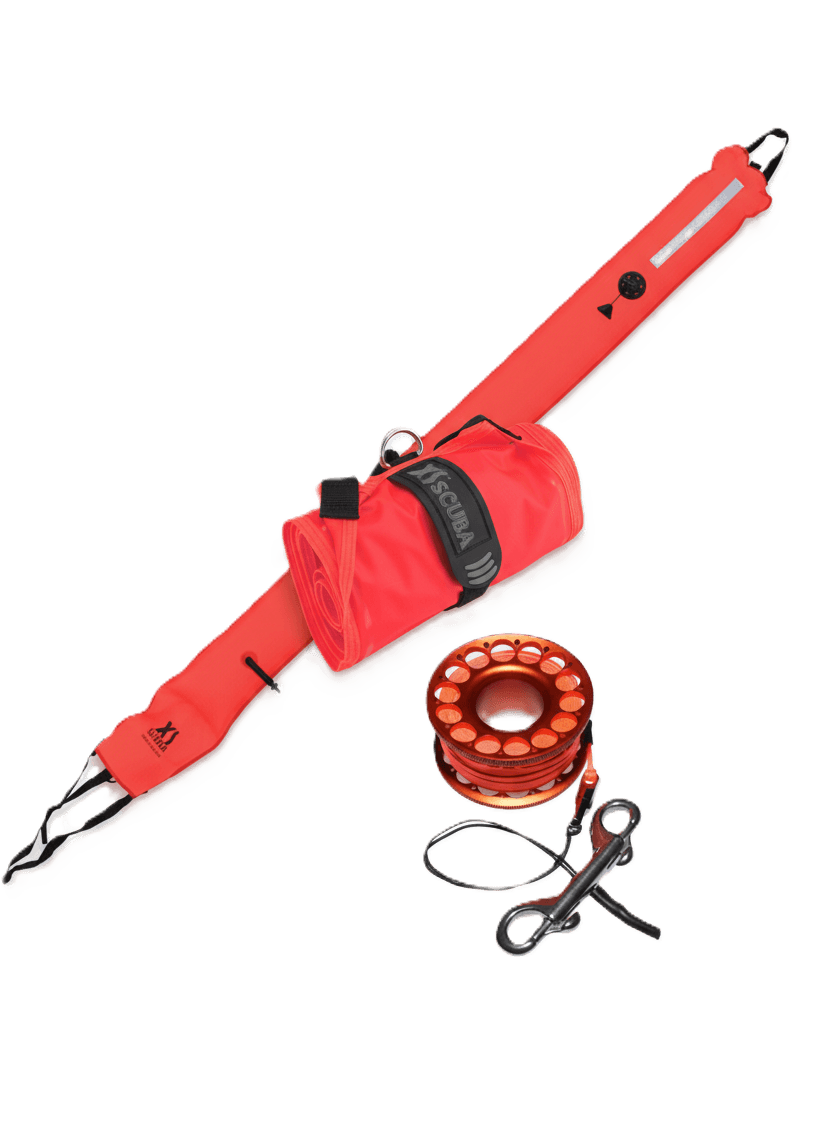
Our Recommendation: XS Scuba Safety Sausage 7ft with Finger Reel. I’ve never purchased anything less than 6ft and would recommend a 10ft DSMB if Marsa Shagra offered diving further out. This SMB outperforms its competitors with:
- Stainless steel D rings
- Overpressure (burb) relief valve
- MIL-SPEC nylon
- SOLAS reflective tape
- 3 options to fill (oral, BC, bottom baffle)
- Chemical light stick loop fastener
- 50 lbs positive lift
- Step-thru leg harness, enabling hands-free operation while the buoy is inflated at the surface.
I cannot emphasize enough how important it is to know your equipment—especially when it comes to deploying your SMB. In an emergency, the last thing you want is panic caused by uncertainty or getting tangled in the line. If you’re not comfortable with the process, that anxiety can quickly escalate an already serious situation.
Alternative for Tech Divers: Dive Rite Surface Marker with 100ft Reel offers heavier-duty construction and includes a dump valve for controlled ascents.
Thick-Soled Dive Boots
Reviews consistently emphasize the requirement to wear thick-soled boots for Marsa Shagra’s shore entry, which crosses rocky substrate that will shred thin-soled boots or damage bare feet. The resort’s rocky entry isn’t walkable without serious foot protection.
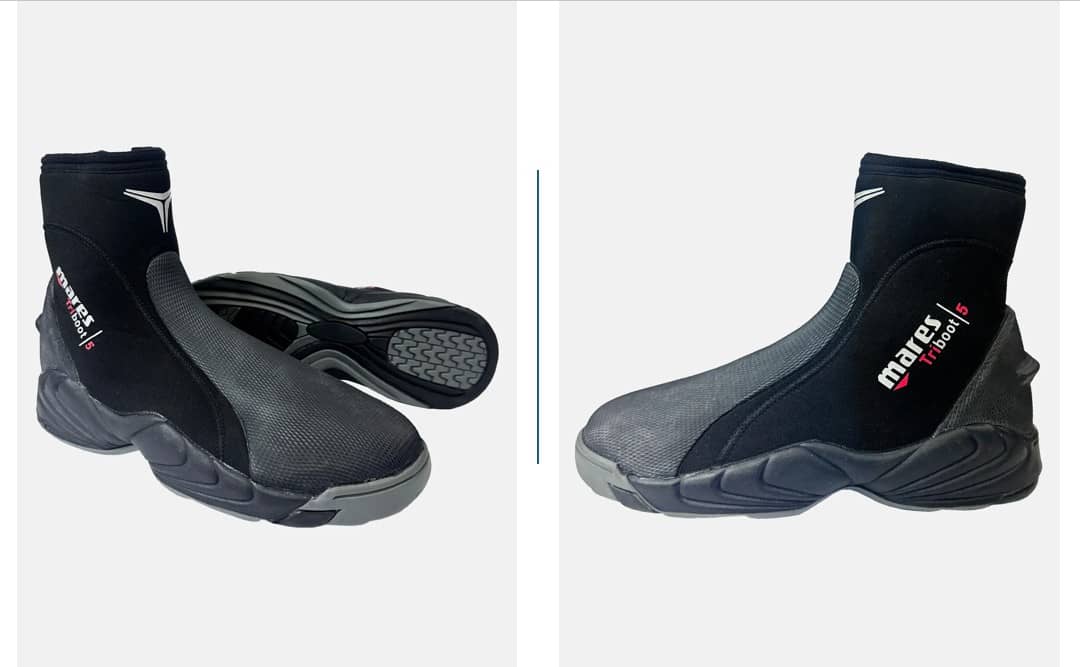
Editor’s Choice: Mares Trilastic 5mm Boots – Mares built these boots for divers who need reliable grip and warmth without unnecessary bulk. The 5mm Trilastic neoprene keeps your feet comfortably insulated during shoulder-season dives when water hovers around 24–27°C. Reinforced heel and toe panels protect against wear from fins and rocky shore entries, and the molded rubber sole holds traction even on slippery launch ramps. The side zip makes gearing up quick between dives, an underrated convenience when you’re hustling for that final daylight descent. Over multiple dive trips, the durable construction and solid stitching set them apart in the midrange price bracket. Dependable gear that won’t quit when your logbook fills with unlimited, high-volume diving days.
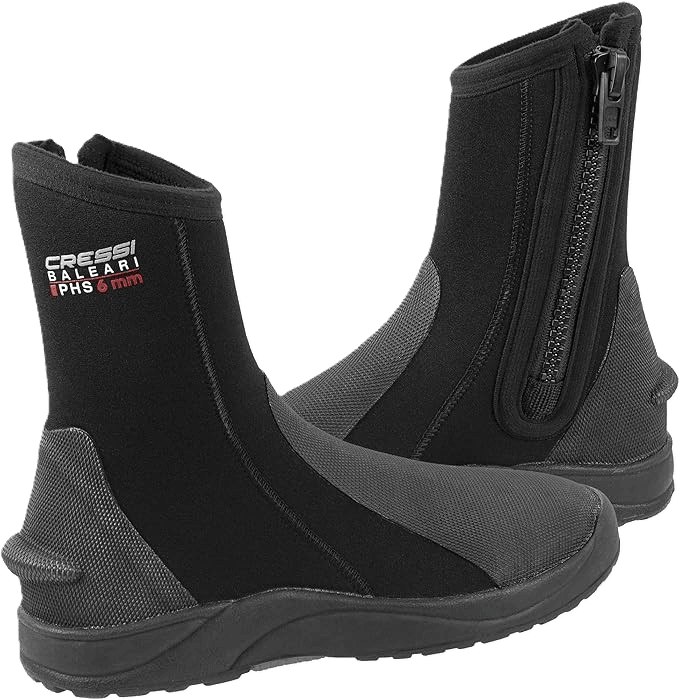
Budget Pick: Cressi Standard 6mm Boots are for divers looking to save without sacrificing warmth. Cressi’s 6mm boots offer solid value in cool-to-moderate waters. The thick neoprene keeps feet comfortable during extended bottom times, while the minimalist tread provides just enough grip for boat decks and sandy shore entries.
You’ll want to step carefully on slick rocks as the sole isn’t as rugged as premium models, but for travel or short dive trips, these boots punch above their price. A dependable, no-frills option that gets the job done when you’d rather spend your budget on extra tank fills than footwear.
Sizing Tip: Order one size larger than your shoe size to accommodate thick dive socks, and ensure your fins will fit over them. Nothing ruins a dive trip like discovering your boots don’t fit your fins five minutes before the first dive.
Heavy-Duty Mesh Gear Bag with Wheels
Transporting full equipment through airports to remote Red Sea destinations demands durable luggage that drains completely and withstands baggage handlers. After watching my previous gear bag disintegrate on a Cairo baggage carousel (wheel ripped off, zippers split), I learned this lesson expensively.
Akona Roller Duffel 100L ($105) – Industrial-grade mesh construction drains instantly, oversized wheels actually roll smoothly through airports (most dive bags have toy wheels that collapse under weight), and the heavy-duty zippers have survived three years of international abuse. The 100-liter capacity accommodates fins, mask, boots, wetsuit, BCD, and accessories while meeting airline size limits. The reinforced bottom prevents road rash when dragged across rough surfaces—inevitable during Red Sea dive boat boarding.
Critical Feature: The wheels are recessed so the bag can stand upright on the dive boat without tipping. I’ve watched countless dive bags tip over during boat movement, spilling contents across the deck. This won’t happen with proper wheel design.
Budget Option: Phantom Aquatics Mesh Backpack ($45) – If you’re checking your BCD/regulator separately and only need to transport soft goods, this 120L backpack works well. No wheels means you’re carrying it, but at half the price it’s viable for divers who pack light.
Reef Hook
Elphinstone’s strong currents allow reef hooking on designated areas, enabling you to maintain position while watching for sharks without fighting the current and burning air. One can burn through a tank of air in 25 minutes trying to hover in Elphinstone’s current before learning this technique. With a reef hook, that same dive lasted 52 minutes and delivered three oceanic whitetip encounters instead of zero.
Critical Technique: Only hook into dead coral or bare rock—never living coral. Elphinstone has designated hooking areas that dive guides will show you. The hook lets you maintain position hands-free while keeping your camera ready, watching the blue for those distinctive white-tipped fins.
Note1: Some marine parks prohibit reef hooks. They’re permitted at Elphinstone but banned at sites like Dolphin House. Always confirm with your dive guide before deploying.
Note2: Remember, when deploying a reef hook, only hook into bare solid rock, dead coral, or large rubble.
Note3: Do not depoy your hook using:
- live coral (soft or hard)
- sponges, sea fans, or any other living organism
- fragile or loose rock that could break
Mask Defog Solution
This seems trivial until you’re on dive four of the day and your mask keeps fogging during a turtle encounter, forcing you to clear it repeatedly while your buddy gets the perfect shot. November’s multiple daily dives mean constant mask clearing and defogging. Skip the toothpaste method and invest in purpose-made defog that lasts all dive and doesn’t damage mask seals or skirts.
Sea Gold Anti-fog Gel
https://youtu.be/D5vekcf4ar0
Sea Gold Anti-fog Gel
https://youtu.be/D5vekcf4ar0
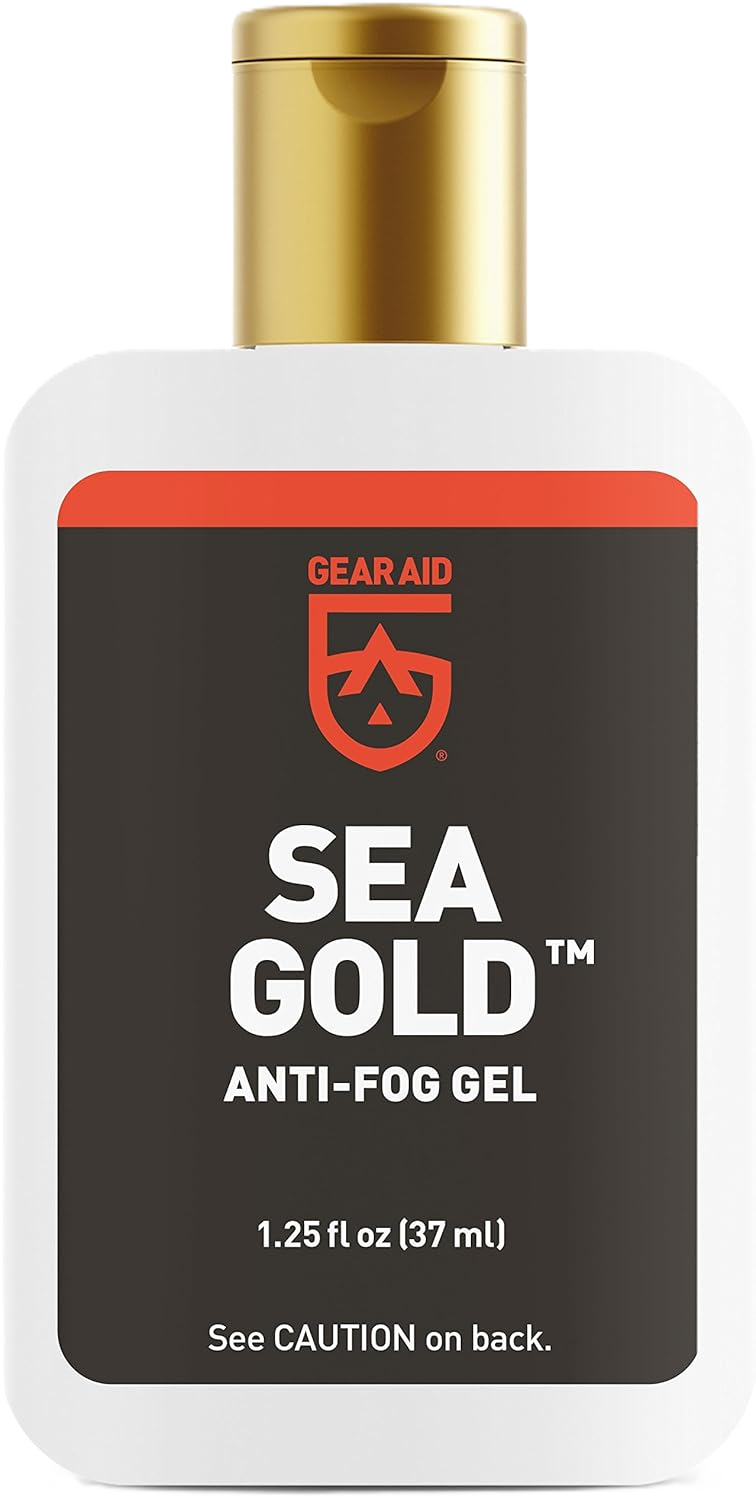
GEAR AID Sea Gold Anti-Fog Gel – I used Sea Gold as a mask defog for years and had no issues or concerns with it. This highly concentrated gel formula has earned its reputation as the industry standard—rated #1 Tester’s Choice by Rodale’s Scuba Diving Magazine, with one application lasting through multiple dives even in extreme conditions. The thick, clear gel provides up to 600 applications per bottle, and it works in any water temperature including challenging cold water dives. Many dive professionals swear by this product, and for good reason—it simply works reliably, dive after dive.
STREAM 2 SEA Mask Defog
https://youtu.be/FWg_zoVQbtQ
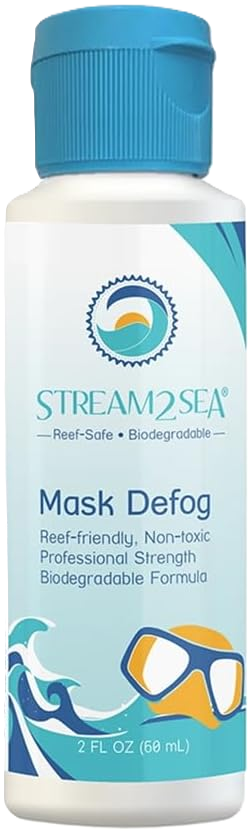
Stream2Sea Professional Mask Defog – Our Current Recommendation – I now primarily use Stream2Sea, and honestly, I’m pretty happy with Stream2Sea’s performance as well. What prompted the switch? Stream2Sea seems to be safer for the marine environment when it comes to ingredient transparency, testing, and sustainability. The formula is biodegradable and has been tested and proven safe for baitfish, freshwater fish, saltwater fish, and coral larvae—backed by actual scientific testing rather than just marketing claims.
The ingredient list is completely transparent: Deionized Water, Aloe Barbadensis (Aloe Vera) Leaf Extract, Sodium Lauroyl Methyl Isethionate, and a small amount of isopropyl alcohol to help with lens evaporation. No hidden chemicals, no proprietary mystery ingredients. Even the bottle is made from recycled plastics and sugarcane resins. Testimonials from dive professionals report it holds up through multiple dives, and my personal experience confirms this—two drops per lens, spread with fingers, light rinse, and you’re fog-free for 45+ minutes.
My problem is that when I find something I like, I generally stop looking and exploring for more options. So there may be other excellent reef-safe options out there, but Stream2Sea works well enough that I haven’t felt compelled to keep testing alternatives. The TSA-compliant 2oz bottle provides 50+ applications and easily lasts an entire dive trip.
Pro Tip: Apply defog after your dive brief, not right before entry. Letting it sit 5-10 minutes improves effectiveness dramatically. And regardless of which product you choose, the most important thing is bringing your own—multiple daily dives exhaust resort supplies quickly, and mask fogging ruins both photography and dive enjoyment.
Dive-Specific First Aid Kit
Marsa Shagra has medical facilities and the hyperbaric chamber, but minor injuries benefit from immediate treatment. After thirty-five years of globe tottering, here’s what I keep with me:
Essential Additions to Standard First Aid:
After Bite Sting Relief – Whether its pesky bug bites, jellyfish stings, fire coral contact, and sea lice are common in Red Sea. Immediate application reduces pain and potentially prevents secondary infection. You can normally find me with three or four tubes at a time which I keep it close, normally in my dive bag, on the boat, etc.
Waterproof Tegaderm Transparent Dressings – I have had great success with these staying on longer while diving and works great for multiple dives, keeping the antibiotic ointment in place, protecting cuts from infection while allowing you to continue diving.
Ibuprofen/Naproxen/Acetaminophen (paracetamol)/Aspirin – Seek your own medical advice as pressure, scuba diving and/or flying, and can change the way medications interact with your body. For me, sore muscles after five dives daily are inevitable. Anti-inflammatories help me sleep and recover for the next day’s diving.
Antibiotic Ointment – Small coral scrapes turn into infections quickly in tropical environments. Immediate antibiotic treatment after each dive day helps to prevent further problems.
What’s Already at the Resort: The dive center stocks basic first aid, vinegar for jellyfish stings, and oxygen for emergencies. You’re supplementing, not replacing their capabilities.
Personal Nitrox Analyzer
If you’re nitrox-certified, or even if you are not, you should always want to analyze the gas you’re breathing. But if you’re planning 4-5 dives a day, you’ll want to analyze each tank yourself rather than rely on resort analysis. Marsa Shagra’s dive center is professional, and I believe their analysis is reliable, but when you’re pushing nitrogen limits across five consecutive dives, verification becomes critical to risk management.
The Analox O2EII Pro Nitrox Analyzer is what I have personally used since 2019, but it appears to no longer be available. I have seen the analyzers below around dive shops and operations, and from discussions, and from what I can tell, these are well reviewed and liked.
When This Matters: If you’re diving 32% nitrox for your first three dives and the center accidentally fills your fourth tank with air (21%), but you set your computer for 32%, your computer will show remaining NDL time you don’t actually have. This error has caused bent divers. Personal analysis prevents this scenario.
Reality Check: Most recreational divers don’t need this. The cost is hard to justify unless you’re doing 50+ nitrox dives annually. Marsa Shagra’s analysis is reliable. But if you’re a tech diver doing deep profiles at Elphinstone or planning decompression diving, this becomes essential equipment.
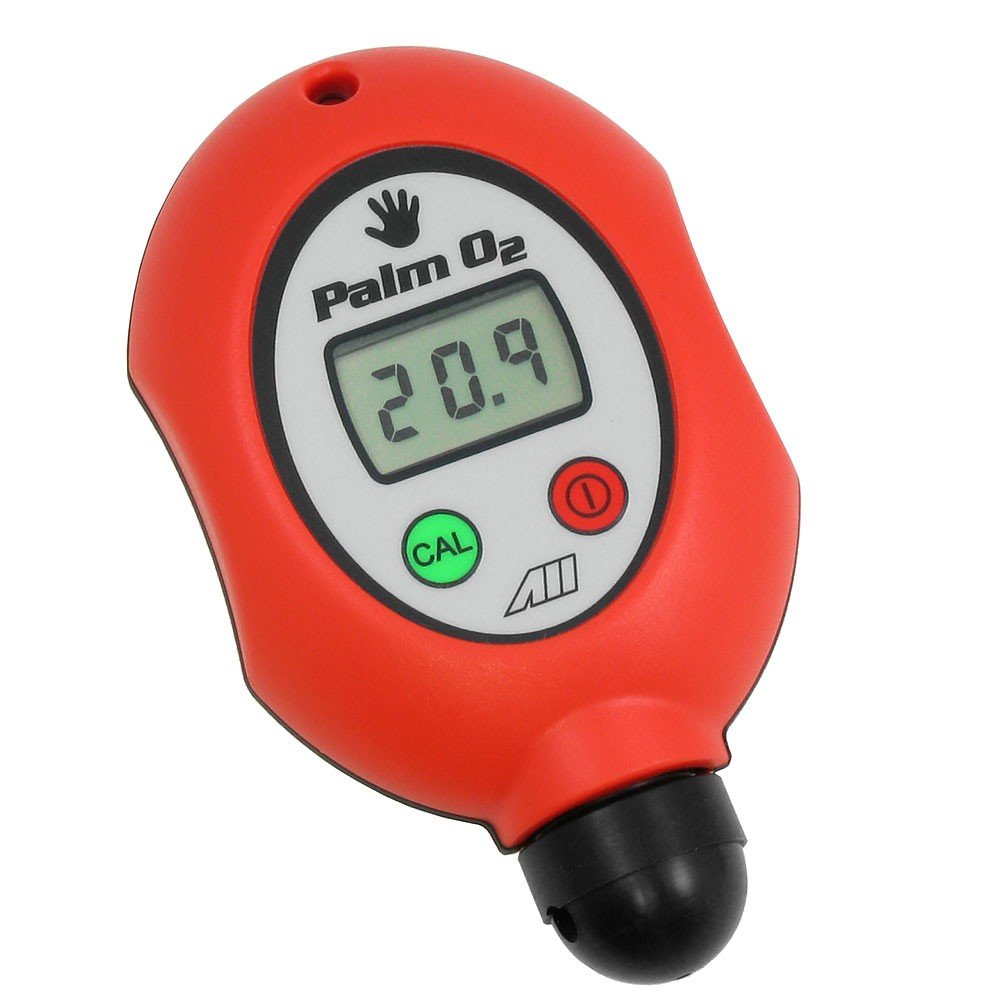
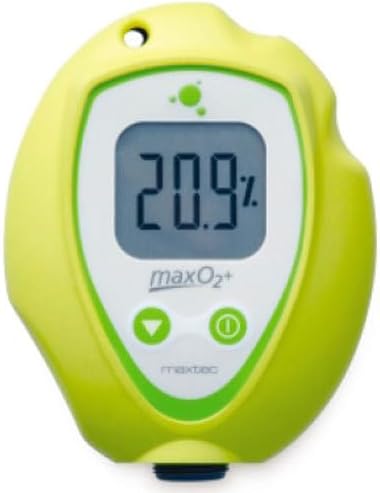
Stay Within Safe O2 Limits With these Portable NITROX Analyzers
These are ideal for verifying nitrox mixes, calibrating your gas fills, and keeping your dive profile within NOAA and Navy guidelines.
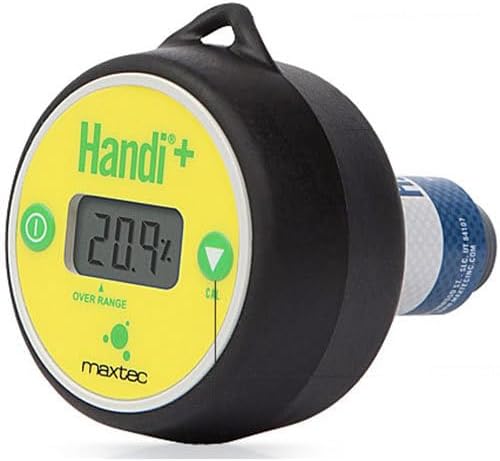
Maxtec Analyzer, O2, 2-1/2
Palm D Oxygen Analyzer
MAXO2 + Oxygen Analyzer
Dan Insurance: Non-Negotiable For Remote Red Sea Diving
The €7 compulsory hyperbaric chamber fee at Marsa Shagra dive resort covers only basic decompression chamber treatment at their on-site Baro-Medical facility. It does NOT cover: physician consultations, hospital admissions, treatment complications, medications, follow-up care, or—most critically—emergency medical evacuation to advanced facilities.
Consider the scenario: You’re diving Elphinstone 40-50 kilometers offshore when symptoms suggest decompression illness requiring chamber treatment and extended hospitalization. The nearest comprehensive medical facility sits 250 kilometers away in Hurghada. Air ambulance evacuation from remote southern Red Sea locations costs tens of thousands of dollars. Without proper insurance, you’re personally liable for these catastrophic expenses.

Membership Breakdown
Your location of residence determines DAN Membership options. The memberships are broken down into two levels of membership:
- Regular Membership: Up to $150,000 USD
- Enhanced Membership: Up to $500,000 USD
Includes 24/7 emergency hotline (+1-919-684-9111), TravelAssist evacuation coverage (50+ miles from home), and Alert Diver magazine with ongoing medical research and safety information.
DAN Preferred Plan ($90-120 annually): $250,000 per dive accident claim plus $10,000 non-dive medical accident coverage abroad. This represents the baseline appropriate for house reef diving and standard offshore sites.
DAN Guardian Plan ($150-200 annually): $500,000 per claim plus $30,000 non-dive accident coverage. This level is recommended for Elphinstone diving and remote offshore sites where evacuation complexity and costs escalate dramatically.
Coverage includes hyperbaric chamber treatments (unlimited during 5-year lifetime maximum period), physician charges, hospital care, emergency medical transportation, ambulance services, and related medical expenses. The peace of mind during your fifth consecutive dive day, knowing you’re protected for unlikely but potentially financially devastating complications, justifies the cost many times over.

Action Steps:
- Purchase DAN membership before buying dive accident insurance (membership is required)
- Buy coverage before your trip begins (no retroactive coverage)
- Download the DAN membership card to your phone and carry physical copy while diving
- Program DAN emergency hotline in your phone: +1-919-684-9111
- Inform Marsa Shagra dive center of your coverage details

9. Booking & Pricing: November 2025 Strategies
November falls within Marsa Shagra dive resort’s high season (March-December), meaning elevated rates compared to January-February’s low season, but excellent value considering the optimal diving conditions.
Accommodation pricing is generally from:
- $91 – $258 (Low Season)
- $105 – $291 (High Season)
November Wins For:
- Peak oceanic whitetip shark season (critically endangered species)
- Excellent visibility (25-40m consistently)
- Comfortable water temps (5mm wetsuit sufficient)
- Comfortable air temps (no extreme heat)
- Moderate crowds (shoulder season)
- Calm seas (fewer cancellations)
- Thresher sharks active
- Late hammerhead sightings possible
- All resident species present (turtles, dugongs, dolphins)
As we explore the benefits of diving at this destination, this Marsa Shagra review aims to highlight why the resort is an ideal choice for both novice and experienced divers alike.
Additional Mandatory Fees:
- Hyperbaric chamber insurance: €7 per person
- Environmental fee: €5 per person
- National Park fees: Variable by dive site
Optional Costs:
- Elphinstone excursion: €60-70+
- Abu Dabbab excursion: €50-60
- Dolphin House excursion: €45-60
- Nitrox fills: Contact resort for current rates
- Equipment rental: €15-25 daily for full set
- 15L tanks: €3 supplement
Money-Saving Strategies:
- Group Discounts: Every 11th, 21st, and 30th guest receives FREE transfers, accommodation, and diving package. Organize friends or dive club trips to leverage this significant savings.
- Cash Payment: 5% discount for paying on-site in euros, US dollars, or British pounds (credit cards incur 3% bank fee). That’s an 8% offset!
- Extended Stays: Stays of 2+ weeks receive €5 per person daily discount starting week two. Four+ week stays earn 30% discount on accommodation and diving (low season, consecutive weeks only).
- Timing: While November is high season, it sees fewer crowds than the spring months (March-May).
This Marsa Shagra review will provide you with tips on how to enhance your diving experience while exploring the stunning underwater landscapes.
10. SEVEN INSIDER TIPS: MAXIMIZING YOUR MARSA SHAGRA EXPERIENCE
- Dive the House Reef at Dawn: The 6:00 AM slot delivers the house reef at its finest—reef sharks more active, pelagics sometimes cruising past, and you’ll have sections of reef entirely to yourself before other guests wake. The early morning light angle illuminates coral colors beautifully and water remains calmest before afternoon breezes develop.
- Book Elphinstone by 5:00 PM the Day Before: Excursions require advance booking and minimum numbers to proceed. November’s shoulder season means trips occasionally cancel if insufficient sign-ups. Book immediately upon arrival for your preferred days. Early in your stay allows backup days if weather cancels trips.
- Bring Your Own Reef-Safe Sunscreen and Defog: While the resort stocks basics, bringing preferred brands ensures you’re not caught without or paying premium prices. We recommend Stream2Sea SPF 50 and Stream2Sea Mask Defog—both are reef-safe, TSA-compliant, and will last your entire trip. Defog in particular—multiple daily dives exhaust resort supplies quickly, and mask fogging ruins photography and reduces enjoyment.
- Pack Warm Layers for November Evenings: While days reach 25-29°C, evening temperatures dropping to 17-20°C feel surprisingly cool after multiple dives. A fleece or light jacket makes evening relaxation at the Bedouin cafe or outdoor dining significantly more comfortable. Most visitors underestimate this temperature swing.
- Request Room Location Away from Communal Bathrooms: Multiple reviews mention a neighboring resort playing loud party music until late, audible throughout Marsa Shagra bay especially in tents. Request a chalet if noise-sensitive, or request tent/hut placement farthest from northern property boundary. Bring quality earplugs as backup.
- Utilize the Free Water Dispensers Religiously: Dehydration significantly increases decompression illness risk, and five-dive days in November sunshine demands serious hydration. The free cold water dispensers throughout the property eliminate excuse. Bring a Nalgene 32oz wide-mouth bottle or Hydro Flask 40oz and fill it after each dive, drink before you feel thirsty, and continue hydrating through evening. This simple habit improves dive safety, comfort, and reduces fatigue.
- Stay a Full Week Minimum: Four or five diving days barely scratches the surface of the house reef’s biodiversity, and weather may cancel offshore excursions on short stays. Seven to ten days allows house reef mastery, multiple offshore trips even with one weather cancellation, and time to genuinely relax into the unlimited diving rhythm without rushing. Many repeat visitors stay two weeks specifically because one week proved insufficient.
11. Final Verdict: Why November 2025 at Marsa Shagra Rewards Divers
Three elements converge in November 2025 to create the optimal Marsa Shagra dive resort experience: seasonal marine life, comfortable conditions, and proven infrastructure.
The oceanic whitetip shark season peaking October through December transforms Elphinstone from an excellent dive site into a bucket-list encounter opportunity. These critically endangered animals face 98% population decline globally—each encounter carries weight and privilege. November timing positions you during the prime window while water temperatures remain comfortable (24-27°C requiring only 5mm wetsuits) and visibility peaks at 20-40 meters. Thresher sharks, late-season hammerheads, and the resident dugongs and turtles complete a wildlife calendar that November maximizes.
The unlimited diving concept removes the artificial constraints that limit most resort diving experiences. After orientation dives, you control your schedule completely—five dives daily, extended photography sessions, night diving until 8:30 PM, zodiac access to different reef sections, and the freedom to explore a 2-kilometer house reef that has been protected for 30+ years. The on-site hyperbaric chamber (only one in southern Red Sea) provides safety backup that remote locations rarely offer. The €180 five-day package delivers exceptional value measured by bottom time and access.
The eco-resort model works because it’s genuine—70% solar powered, Green Fins Gold certified, 15+ years of Reef Check scientific monitoring, HEPCA waste management partnership, and 30 years of consistent environmental commitment create credibility that marketing slogans can’t replicate. Your tourism dollars support conservation that produces measurable results: 49.5% hard coral coverage at RSDS sites versus 39.1% regional average. Marsa Shagra dive resort proves sustainable dive tourism generates financial returns while protecting reefs, providing a template the region desperately needs.
What holds this experience together? The 350+ staff members who earn consistent praise across all 2025 reviews. Mohamed at reception tracking down lost airline luggage, Mo Saleh remembering drink preferences without asking, the diving shade crew going “above and beyond,” the chefs accommodating special diets, and the professional yet warm atmosphere that creates repeat visitors on their fifth stay. Infrastructure and wildlife matter, but people transform good diving into memorable experiences.
The Honest Challenges:
Tents heat up in peak summer (less concern in November), the neighboring resort’s noise pollution affects evening ambiance, especially in tents, beer costs €4.50 versus €1.50 elsewhere (environmental carrying capacity pricing), short stays may not guarantee specific offshore sites due to weather or minimum numbers, and non-divers face limited alternative activities.
For serious divers in November 2025, these challenges pale in comparison to the opportunity:
- prime shark season
- unlimited house reef access
- 27°C water
- 40-meter visibility
- authentic eco-resort pioneering
- a conservation model worth supporting
The shoulder-season timing means availability still exists if you book now, before peak demand fills deluxe chalets.
In conclusion, the Marsa Shagra review highlights that this destination is not only a divers’ paradise but also a sanctuary for marine life, making it a prime spot for eco-conscious travelers.
Take Action Now:
- Apply for your Egypt e-visa 7+ days before travel.
- Organize friends or dive club members to leverage group discounts (every 11th guest free).
- November’s oceanic whitetip window lasts only three months.
- The dugongs at Abu Dabbab may not survive another decade, given current population pressures.
- The house reef you’ll dive took 30 years of protection to achieve its current health.
- These opportunities won’t wait—and neither should you.



Step 3.
Buy Your Tickets!
An affiliate of Kiwi.com

Step 4.
Make Your Reservations!
An affiliate of Booking.com
Step 6.
Get Your
Dive On!
An affiliate of Booking.com

Step 5.
Get Your Taxi!
An affiliate of welcomepickups.com
Foot Notes:
- Prices can change depending on the season and availability. Check with the resort or booking company to get the most accurate and up-to-date rate before booking.
Questions about your trip?
Share this article with fellow divers planning Red Sea adventures, and join us in supporting dive operations that prioritize reef health and authentic conservation over short-term profits.
