
Keyword(s): pillar coral (Dendrogyra cylindrus)
Contents
A Midnight Miracle
I can only imagine as the scene unfolded, equal parts science and magic, as a new beginning for a coral species on the precipice of extinction. Reef Renewal Foundation Bonaire (RRFB) diver scientists were able to collect, for the first time, the tiny pearl-like gametes as they drifted upward from the towering forms of pillar coral (Dendrogyra cylindrus). This precious spawn is essential to raise young corals through their breeding program.
“Helping pillar corals reproduce here is more than just a milestone—it’s a lifeline for a species that is vanishing from Bonaire’s reefs”
Cheyenna de Wit, RRFB’s Lead Restoration Technician [15]
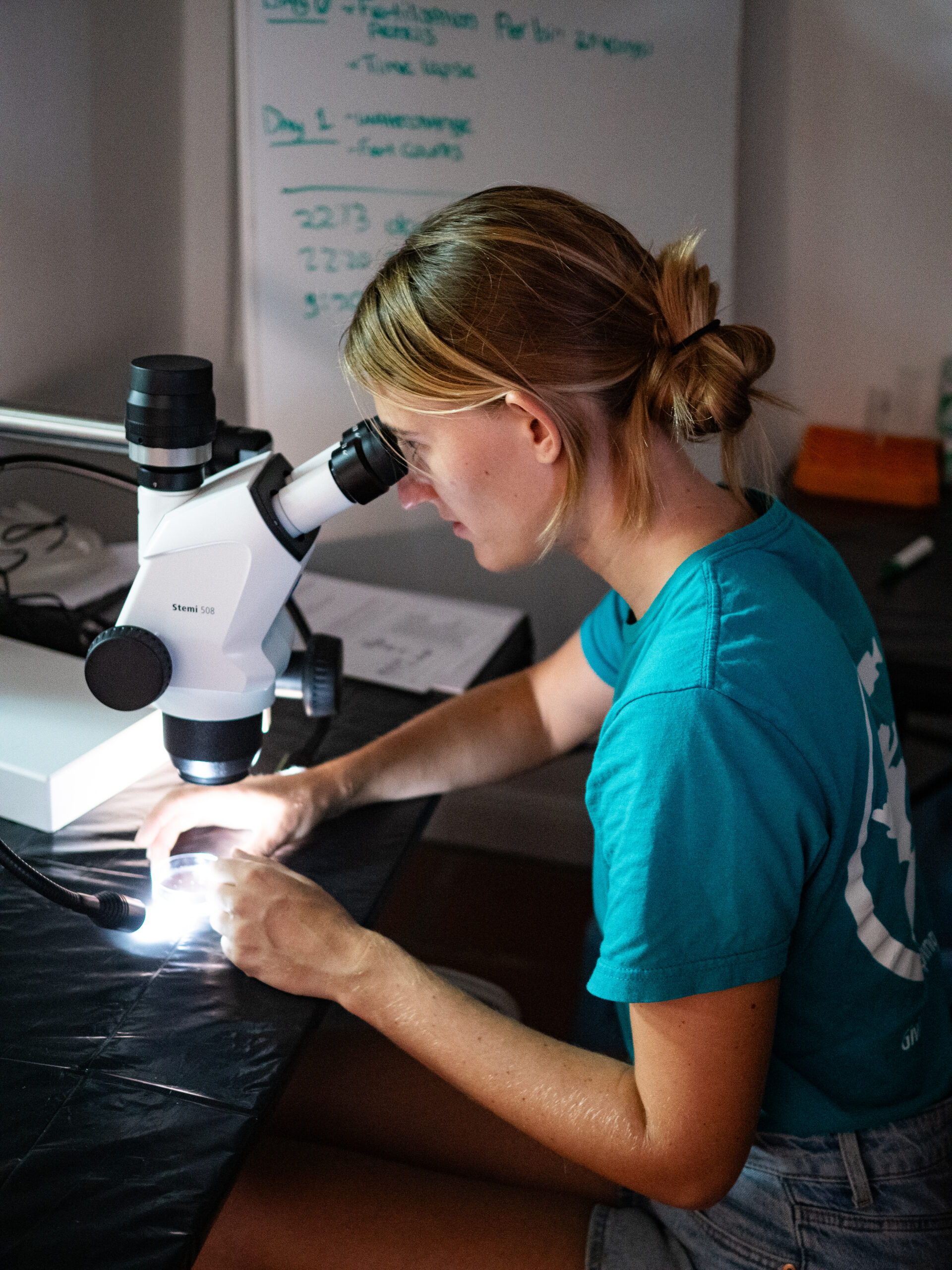
Once the gametes were collected and fertilized, the RRFB team waited quietly in electric anticipation. As the hours ticked past midnight, nature began to work, and by the next morning, pillar coral larvae were alive and active, proving the endangered coral species can still reproduce.1, 2, 3
Why Pillar Coral Matters
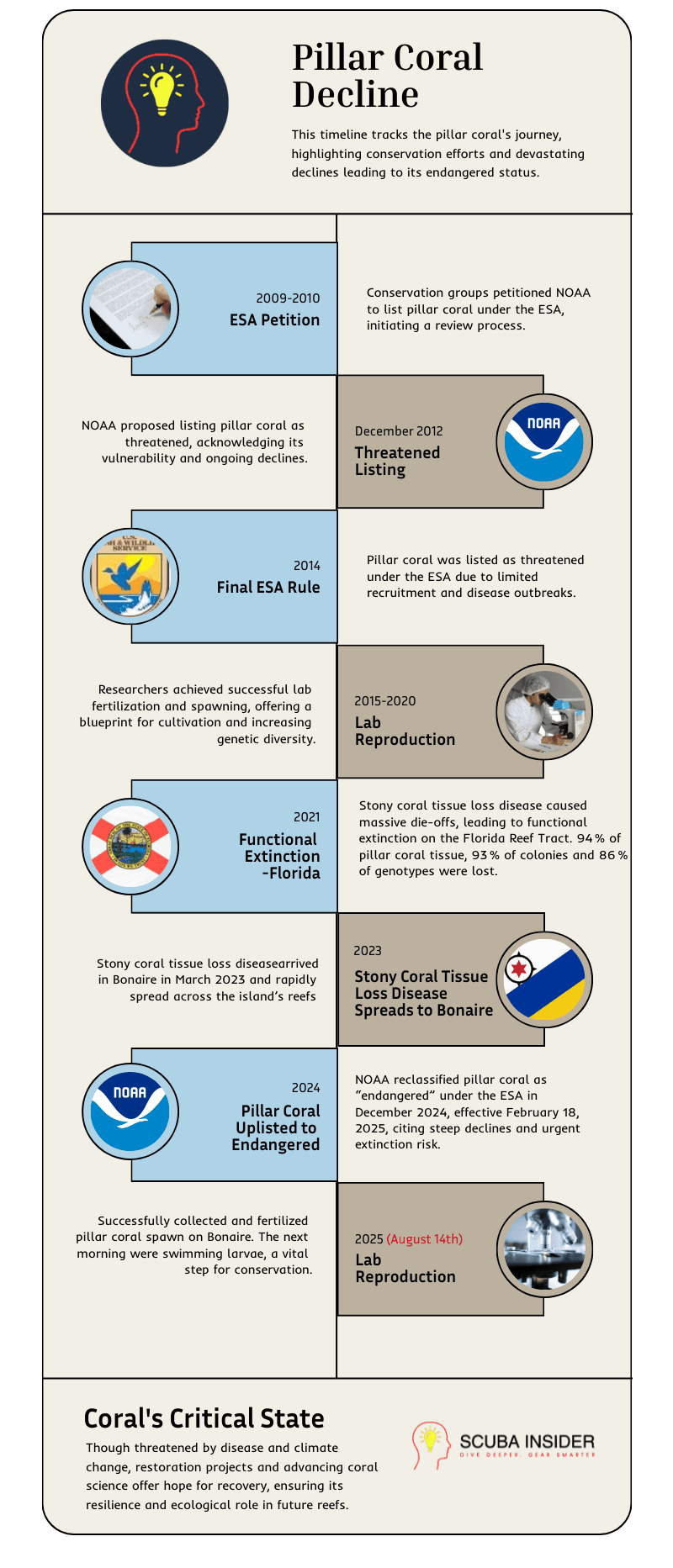
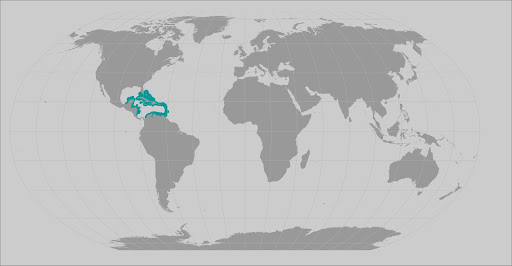
Pillar coral is one of the Caribbean’s most distinctive reef-builders, rising in vertical columns up to three meters tall and bristling with fuzzy daytime polyps. Once abundant, it has become the “canary of the reef”—highly sensitive to stress and often the first species on the reef to show decline. In March 2025, National Oceanic and Atmospheric Administration (NOAA), reclassified the species from “threatened” to “endangered,” underscoring the severity of its collapse.
Pillar coral, once common across the Caribbean, has been devastated by stony coral tissue loss disease (SCTLD). First detected in Florida in 2014, the fast-moving pathogen has now spread to more than 30 countries and territories. When Bonaire confirmed its arrival in 2023, the impact was catastrophic: within months, 90% of some species, such as boulder brain and maze corals, were gone, and pillar coral was reduced to fewer than 0.1% of its original colonies. In response, NOAA formally reclassified pillar coral as “endangered” in early 2025, underscoring how close the species is to extinction.5, 6
The disease’s effects are compounded by bleaching and chronic stress from warming seas, pollution, and human activity. With so few colonies left, natural reproduction became nearly impossible as colonies were too scattered and too weakened to spawn successfully. Against this backdrop, RRFB’s successful spawning event in Bonaire was nothing short of revolutionary.
The Fragile Dance of Spawning
Coral spawning is among the ocean’s most delicate spectacles. Triggered by lunar cycles and warm seas, most stony corals release eggs and sperm in synchrony only a few nights each year. Fertilization must occur within hours, as gametes lose viability quickly. The resulting larvae, called planulae, drift with currents before settling onto hard surfaces to form new colonies.
When healthy populations exist, spawning fuels reef growth and renewal. But when adults are few and far apart, the system collapses. That is exactly what has happened to pillar coral across much of the Caribbean. This is why assisted spawning—capturing gametes in the wild, fertilizing them in controlled conditions, and raising juveniles—represents a breakthrough. It allows scientists to bypass the reproductive bottleneck and give struggling species a chance to rebuild.
[amazon box=”0593087313″ template=”list”]
As an Amazon Associate, Scuba Insider may earn a small commission from qualifying purchases at no additional cost to the customer.
Assisted Reproduction: A Breakthrough
The recent spawning event demonstrates that assisted reproduction is not only possible but promising. An earlier 2024 Florida scientific study, in a laboratory-controlled environment, resulted in significant advancements, whereby it is best explained by Keri:
“The lab-induced spawning allows us to produce more larvae with a much higher diversity of parents than we ever could from wild spawning. The high level of synchrony that we achieved between last year and this year shows that this technique is really working, and every year we spawn this species we are one step closer to assuring it’s long term survival in Florida.”
Keri O’Neil, Senior Coral Scientist at The Florida Aquarium[8]
Scientific research confirms this approach works. Research increasingly shows that techniques like coral breeding and fragmentation—the foundation of RRFB’s work—can improve coral survival in changing oceans. Two recent landmark studies revealed that heat tolerance can be inherited from parent corals, and that lab-reared juveniles are often more resilient to bleaching than their wild counterparts—a crucial advantage in an era of record-breaking ocean temperatures.
Until Reef Renewal Foundation Bonaire’s success last week, the most significant advances in pillar coral reproduction had only been achieved in laboratories. The main reasons for this are that the eggs and sperm from the pillar coral are extremely difficult to collect in the wild.8
Community and Collaboration
This breakthrough didn’t happen in isolation. RRFB works hand-in-hand with 17 partner dive operators, local marine park managers, and a dedicated volunteer network. Since 2012, they have managed more than 30 coral nurseries and outplanted over 70,000 corals across 13,000 square meters of reef.
Recent achievements include:
-
56,000 staghorn coral larvae were produced last week, as of the date of this article.
-
26,000 grooved brain coral juveniles raised earlier this year.
These numbers highlight how restoration, at scale, can offset losses from disease and warming seas. Funding from the Openbaar Lichaam Bonaire (OLB) and the Dutch Ministry of Agriculture, Fisheries, Food Quality, and Nature (LVVN)—via the Nos ta Biba di Naturalesa project—along with collaborations with SECORE International and FUNDEMAR, has made this work possible.15
Turning Awe Into Action
Bonaire offers divers more than clear water and vibrant reefs—it offers a chance to join the fight for coral survival. Programs like Reef Renewal Diver at Buddy Dive Resort train volunteers to care for nurseries, fragment corals, and outplant them to reefs. Community events like ReeFiesta bring locals and visitors together to clean nurseries and monitor new recruits.
[amazon box=”047117727X” template=”horizontal”]
How We (Divers) Can Help
🌊 Become Reef Renewal Diver specialty certification
The three-dive training course will teach participants how to fragment and outplant corals. Specifically:
- Get inspired during on-land interactive, hands-on lessons and skills practice
- Maintain the coral nurseries while honing your buoyancy
- Propagate new corals in the nurseries that will restore degraded reefs
- Outplant corals back into the reef, leaving a living, lasting mark on Bonaire’s reefs
- Become a member of RRFB’s volunteer ranks and join in volunteer dives throughout the year or whenever you return to Bonaire
To get certified, contact one of the many partner dive shops at Reef Renewal Diver Distinctive Specialty – Reef Renewal Bonaire
🤿 Be Citizen Science Divers
-
Accessible reef monitoring: Recreational divers trained in projects like Reef Check can conduct underwater surveys using standardized methods (e.g., transects, species counts) to record reef health and conditions.
-
Advanced tools at your fingertips: Citizen scientists now use underwater imaging systems, environmental DNA (eDNA) sampling, and smartphone apps to contribute high-quality data—no specialized degree required.
-
Global reach, local impact: Reef Check operates in over 90 countries and has established the world’s largest standardized coral reef database, informing scientific research and conservation policy.
-
Community-supported data gathering: Beyond reef surveys, tech-driven platforms like iNaturalist and apps for species tracking let divers contribute observations that feed into broader biodiversity monitoring networks.
-
Education and empowerment: Many programs offer training—for students, volunteers, or educators—helping them collect data and share insights, which strengthens local stewardship and scientific engagement.
One great source for more information about coral conservation/restoration is the Marine Biodiversity Science Center. To learn more, read this article: How Citizen Scientists Are Saving Coral Reefs (And How You Can Help) – Marine Biodiversity Science Center
[lasso table=”2030″ id=”5″ type=”table”]
🌱 Eco-Friendly Practices
1. Master Buoyancy Control
- Practice neutral buoyancy before diving near reefs.
- Avoid kicking up sediment or brushing fins against coral.
- Hover slightly above the reef rather than kneeling or standing.
- For more information about how to improve your buoyancy, see our article: Master Buoyancy Control: The Ultimate Guide for Beginners
2. Use Reef-Safe Sunscreen
- Choose mineral-based formulas (zinc oxide, titanium dioxide).
- Avoid harmful chemicals like oxybenzone and octinoxate, which stress and bleach corals.
- Apply sunscreen at least 30 minutes before entering the water.
[lasso table=”1611″ id=”11″ type=”table”]
3. Respect Marine Life
- Do not touch, chase, or feed fish, turtles, or other animals.
- Keep cameras, gauges, and equipment secured so they don’t dangle and strike coral.
- Follow the “look but don’t touch” rule at all times.
4. Prevent Disease Spread
- Rinse dive gear in fresh water after each dive, especially if moving between sites or islands, to reduce the spread of Stony Coral Tissue Loss Disease (SCTLD).
- Avoid diving if you’re unwell or carrying untreated gear that might spread pathogens.
5. Choose Eco-Friendly Dive Operators
- Support shops certified by programs like Green Fins or REEF.
- Look for operators that anchor on moorings rather than reefs.
- Favor those actively involved in conservation projects or reef monitoring.
6. Participate in Citizen Science & Conservation Dives
- Join Reef Renewal Bonaire[13] or Reef Check Caribbean[14] dives to help with coral nursery work, monitoring, or outplanting corals.
- Record species sightings or reef health data using apps like iNaturalist or eOceans.
7. Minimize Waste & Plastic
- Bring reusable water bottles and gear bags.
- Avoid single-use plastics that can end up in the ocean.
- Participate in shoreline or underwater clean-ups if available.
8. Practice Responsible Boating
- If diving from a boat, ensure operators use proper mooring buoys instead of dropping anchors on reefs, causing decades of damage to corals right in front of our eyes.
- Report fuel leaks or poor anchoring practices
The three-dive training course will teach participants how to fragment and outplant corals. Specifically:
- Get inspired during on-land interactive, hands-on lessons and skills practice
- Maintain the coral nurseries while honing your buoyancy
- Propagate new corals in the nurseries that will restore degraded reefs
- Outplant corals back into the reef, leaving a living, lasting mark on Bonaire’s reefs
- Become a member of RRFB’s volunteer ranks and join in volunteer dives throughout the year or whenever you return to Bonaire
To get certified, contact one of the many partner dive shops at Reef Renewal Diver Distinctive Specialty – Reef Renewal Bonaire
-
Accessible reef monitoring: Recreational divers trained in projects like Reef Check can conduct underwater surveys using standardized methods (e.g., transects, species counts) to record reef health and conditions.
-
Advanced tools at your fingertips: Citizen scientists now use underwater imaging systems, environmental DNA (eDNA) sampling, and smartphone apps to contribute high-quality data—no specialized degree required.
-
Global reach, local impact: Reef Check operates in over 90 countries and has established the world’s largest standardized coral reef database, informing scientific research and conservation policy.
-
Community-supported data gathering: Beyond reef surveys, tech-driven platforms like iNaturalist and apps for species tracking let divers contribute observations that feed into broader biodiversity monitoring networks.
-
Education and empowerment: Many programs offer training—for students, volunteers, or educators—helping them collect data and share insights, which strengthens local stewardship and scientific engagement.
One great source for more information about coral conservation/restoration is the Marine Biodiversity Science Center. To learn more, read this article: How Citizen Scientists Are Saving Coral Reefs (And How You Can Help) – Marine Biodiversity Science Center[lasso table=”2030″ id=”5″ type=”table”]
1. Master Buoyancy Control
- Practice neutral buoyancy before diving near reefs.
- Avoid kicking up sediment or brushing fins against coral.
- Hover slightly above the reef rather than kneeling or standing.
- For more information about how to improve your buoyancy, see our article: Master Buoyancy Control: The Ultimate Guide for Beginners
2. Use Reef-Safe Sunscreen
- Choose mineral-based formulas (zinc oxide, titanium dioxide).
- Avoid harmful chemicals like oxybenzone and octinoxate, which stress and bleach corals.
- Apply sunscreen at least 30 minutes before entering the water.
[lasso table=”1611″ id=”11″ type=”table”]
3. Respect Marine Life
- Do not touch, chase, or feed fish, turtles, or other animals.
- Keep cameras, gauges, and equipment secured so they don’t dangle and strike coral.
- Follow the “look but don’t touch” rule at all times.
4. Prevent Disease Spread
- Rinse dive gear in fresh water after each dive, especially if moving between sites or islands, to reduce the spread of Stony Coral Tissue Loss Disease (SCTLD).
- Avoid diving if you’re unwell or carrying untreated gear that might spread pathogens.
5. Choose Eco-Friendly Dive Operators
- Support shops certified by programs like Green Fins or REEF.
- Look for operators that anchor on moorings rather than reefs.
- Favor those actively involved in conservation projects or reef monitoring.
6. Participate in Citizen Science & Conservation Dives
- Join Reef Renewal Bonaire[13] or Reef Check Caribbean[14] dives to help with coral nursery work, monitoring, or outplanting corals.
- Record species sightings or reef health data using apps like iNaturalist or eOceans.
7. Minimize Waste & Plastic
- Bring reusable water bottles and gear bags.
- Avoid single-use plastics that can end up in the ocean.
- Participate in shoreline or underwater clean-ups if available.
8. Practice Responsible Boating
- If diving from a boat, ensure operators use proper mooring buoys instead of dropping anchors on reefs, causing decades of damage to corals right in front of our eyes.
- Report fuel leaks or poor anchoring practices
- Practice neutral buoyancy before diving near reefs.
- Avoid kicking up sediment or brushing fins against coral.
- Hover slightly above the reef rather than kneeling or standing.
- For more information about how to improve your buoyancy, see our article: Master Buoyancy Control: The Ultimate Guide for Beginners
- Choose mineral-based formulas (zinc oxide, titanium dioxide).
- Avoid harmful chemicals like oxybenzone and octinoxate, which stress and bleach corals.
- Apply sunscreen at least 30 minutes before entering the water.
[lasso table=”1611″ id=”11″ type=”table”]
- Do not touch, chase, or feed fish, turtles, or other animals.
- Keep cameras, gauges, and equipment secured so they don’t dangle and strike coral.
- Follow the “look but don’t touch” rule at all times.
- Rinse dive gear in fresh water after each dive, especially if moving between sites or islands, to reduce the spread of Stony Coral Tissue Loss Disease (SCTLD).
- Avoid diving if you’re unwell or carrying untreated gear that might spread pathogens.
- Support shops certified by programs like Green Fins or REEF.
- Look for operators that anchor on moorings rather than reefs.
- Favor those actively involved in conservation projects or reef monitoring.
- Join Reef Renewal Bonaire[13] or Reef Check Caribbean[14] dives to help with coral nursery work, monitoring, or outplanting corals.
- Record species sightings or reef health data using apps like iNaturalist or eOceans.
- Bring reusable water bottles and gear bags.
- Avoid single-use plastics that can end up in the ocean.
- Participate in shoreline or underwater clean-ups if available.
- If diving from a boat, ensure operators use proper mooring buoys instead of dropping anchors on reefs, causing decades of damage to corals right in front of our eyes.
- Report fuel leaks or poor anchoring practices
How We (Divers) Can Get Involved
🪸 Reef Renewal Foundation Bonaire (RRFB)
A leading coral restoration initiative, the RRFB maintains underwater nurseries, cultivates fragmented corals, and outplants them to rehabilitate degraded reefs. This effort enhances genetic diversity and supports reef resilience.
Volunteers—often certified divers—help with nursery upkeep, transplanting coral, cleaning algae, and monitoring coral health.
Eligibility & How to Volunteer:
-
Must be at least 15 years old and hold a scuba certification (NAUI Open Water, PADI, SSI, or equivalent).
-
Required to complete the Reef Renewal Diver Distinctive Specialty through a partner dive shop on Bonaire.
-
Once certified, email volunteering@reefrenewalbonaire.org indicating your stay duration to receive opportunities.
🐢 Sea Turtle Conservation Bonaire (STCB)
Work with this volunteer-based group year-round to protect, research, and advocate for sea turtles.
Opportunities include:
-
In‑Water Surveys – strong swimmers snorkel in structured sessions to identify and count marine species along the west coast and Klein Bonaire. Runs January–April; minimum commitment: 6 survey days. Learn more about the In-water Surveys
-
Beach Cleanups – join community efforts to remove litter from nesting beaches. Bring sun protection, reusable water bottles, and protective shoes. Learn more about our Beach Cleanups
-
Beachkeeper Patrols – adopt a weekly patrol on nesting beaches to monitor turtle activity, report issues (e.g., threats, litter), and educate visitors. Transportation required, training provided. For more information on the Beachkeeper program, email STCB at field@bonaireturtles.org.
-
Fishing Line Project – volunteers help remove harmful fishing debris from reefs and shores. Experienced divers/snorkelers can participate and deposit collected debris in specialized bins. Learn more about the Fishing Line Project
For more information, go to: Sea Turtle Conservation Bonaire – Protecting endangered sea turtles since 1991
🧹 Quarterly Clean Up Dives (Dive Friends Bonaire)
Organized four times per year, these reef clean-up dives are open to all volunteers and focus on removing underwater debris—fun, impactful, and occasionally include raffles or small rewards! Learn more about the quarterly clean-up dive
🏝️ Resort-Based Coral Conservation Opportunities
Buddy Dive Resort – Reef Renewal Diver Program
- Buddy Dive is one of the flagship partners of Reef Renewal Foundation Bonaire (RRFB).
- Guests can earn the Reef Renewal Diver specialty certification, which includes training on maintaining coral nurseries, fragmenting coral, and outplanting new colonies.
- Weekly presentations are held on-site to introduce visitors to coral restoration science.
Captain Don’s Habitat – Eco-Diving Legacy
- One of Bonaire’s original eco-conscious dive resorts.
- Works with RRFB on coral restoration projects.
- Offers hands-on volunteer dives for guests to help with coral nursery care and outplanting activities.
Harbour Village Beach Club
- Supports local marine conservation programs and reef monitoring.
- Guests may be able to join guided restoration activities in partnership with Bonaire’s marine park and RRFB.
Eden Beach Resort & Wannadive
- Collaborates with RRFB on coral nurseries near its dive shop.
- Opportunities for divers to participate in nursery maintenance and coral outplanting dives.
❓ Do you know of others? Let me know. I’ll place their information here
A leading coral restoration initiative, the RRFB maintains underwater nurseries, cultivates fragmented corals, and outplants them to rehabilitate degraded reefs. This effort enhances genetic diversity and supports reef resilience.
Volunteers—often certified divers—help with nursery upkeep, transplanting coral, cleaning algae, and monitoring coral health.
Eligibility & How to Volunteer:
-
Must be at least 15 years old and hold a scuba certification (NAUI Open Water, PADI, SSI, or equivalent).
-
Required to complete the Reef Renewal Diver Distinctive Specialty through a partner dive shop on Bonaire.
-
Once certified, email volunteering@reefrenewalbonaire.org indicating your stay duration to receive opportunities.
Work with this volunteer-based group year-round to protect, research, and advocate for sea turtles.
Opportunities include:
-
In‑Water Surveys – strong swimmers snorkel in structured sessions to identify and count marine species along the west coast and Klein Bonaire. Runs January–April; minimum commitment: 6 survey days. Learn more about the In-water Surveys
-
Beach Cleanups – join community efforts to remove litter from nesting beaches. Bring sun protection, reusable water bottles, and protective shoes. Learn more about our Beach Cleanups
-
Beachkeeper Patrols – adopt a weekly patrol on nesting beaches to monitor turtle activity, report issues (e.g., threats, litter), and educate visitors. Transportation required, training provided. For more information on the Beachkeeper program, email STCB at field@bonaireturtles.org.
-
Fishing Line Project – volunteers help remove harmful fishing debris from reefs and shores. Experienced divers/snorkelers can participate and deposit collected debris in specialized bins. Learn more about the Fishing Line Project
For more information, go to: Sea Turtle Conservation Bonaire – Protecting endangered sea turtles since 1991
Organized four times per year, these reef clean-up dives are open to all volunteers and focus on removing underwater debris—fun, impactful, and occasionally include raffles or small rewards! Learn more about the quarterly clean-up dive
Buddy Dive Resort – Reef Renewal Diver Program
- Buddy Dive is one of the flagship partners of Reef Renewal Foundation Bonaire (RRFB).
- Guests can earn the Reef Renewal Diver specialty certification, which includes training on maintaining coral nurseries, fragmenting coral, and outplanting new colonies.
- Weekly presentations are held on-site to introduce visitors to coral restoration science.
Captain Don’s Habitat – Eco-Diving Legacy
- One of Bonaire’s original eco-conscious dive resorts.
- Works with RRFB on coral restoration projects.
- Offers hands-on volunteer dives for guests to help with coral nursery care and outplanting activities.
Harbour Village Beach Club
- Supports local marine conservation programs and reef monitoring.
- Guests may be able to join guided restoration activities in partnership with Bonaire’s marine park and RRFB.
Eden Beach Resort & Wannadive
- Collaborates with RRFB on coral nurseries near its dive shop.
- Opportunities for divers to participate in nursery maintenance and coral outplanting dives.
❓ Do you know of others? Let me know. I’ll place their information here
- Buddy Dive is one of the flagship partners of Reef Renewal Foundation Bonaire (RRFB).
- Guests can earn the Reef Renewal Diver specialty certification, which includes training on maintaining coral nurseries, fragmenting coral, and outplanting new colonies.
- Weekly presentations are held on-site to introduce visitors to coral restoration science.
- One of Bonaire’s original eco-conscious dive resorts.
- Works with RRFB on coral restoration projects.
- Offers hands-on volunteer dives for guests to help with coral nursery care and outplanting activities.
- Supports local marine conservation programs and reef monitoring.
- Guests may be able to join guided restoration activities in partnership with Bonaire’s marine park and RRFB.
- Collaborates with RRFB on coral nurseries near its dive shop.
- Opportunities for divers to participate in nursery maintenance and coral outplanting dives.
Why It All Matters
Bonaire’s reefs are among the Caribbean’s best protected, thanks to the Bonaire National Marine Park. Yet even here, climate change and disease threaten their survival. The spawning of pillar coral is not just a scientific milestone—it is a symbol of hope that restoration can keep pace with decline if supported by global commitment and local action.
Every gamete collected, every juvenile raised, and every coral outplanted is part of a larger effort to ensure reefs continue to support marine life, coastal protection, and the livelihoods of island communities.
A Dawn of Hope
The midnight spawning of pillar coral on Bonaire is more than a scientific milestone—it is a symbol of resilience.
It shows that nature, given the chance, can still surprise us with renewal. And it reminds us that science, paired with community passion, can transform despair into determination.
For divers, this is more than just a story—it’s an invitation. Each dive can be an act of discovery, and every choice underwater can help decide whether fragile species like pillar coral will have a future.
[amazon table=”3418″]
References
References
- NOAA Ocean Service. (n.d.). What is coral spawning? U.S. Department of Commerce. https://oceanservice.noaa.gov/facts/coral-spawn.html
- NAUI Worldwide. (2025). What is coral spawning? NAUI. https://www.naui.org/bonaire-coral-spawning-2025/
- NOAA Fisheries. (n.d.). Pillar coral: Conservation & management. U.S. Department of Commerce. https://www.fisheries.noaa.gov/species/pillar-coral
- BioMed Central. (n.d.). BMC Ecology and Evolution. BioMed Central. https://www.biomedcentral.com/
- Reef Renewal Bonaire. (n.d.). What is coral spawning? Reef Renewal Foundation Bonaire. https://www.reefrenewalbonaire.org
- Reef Renewal Bonaire. (n.d.). Adapting to coral bleaching and disease. Reef Renewal Foundation Bonaire. https://www.reefrenewalbonaire.org
- van Woesik, R., et al. (2023). Assessing the impact of stony coral tissue loss disease on coral cover on Bonaire’s leeward side. Frontiers in Marine Science. https://www.frontiersin.org/articles/10.3389/fmars.2023.XXXXX
- The Florida Aquarium. (2023). Success in spawning threatened pillar coral. The Florida Aquarium. https://www.flaquarium.org
- Bonaire Pros. (2025). Supporting Reef Renewal Foundation Bonaire. Bonaire Pros. https://bonairepros.com/blog/supporting-reef-renewal-foundation-bonaire/
- SEVENSEAS Media. (2024). Reef Renewal Foundation Bonaire: Protecting and restoring coral reefs in the Dutch Caribbean. SEVENSEAS Media. https://sevenseasmedia.org
- Carrington, D. (2024, October 15). Hope for coral reefs after IVF colonies survive record heat event – study. The Guardian. https://www.theguardian.com/environment/2024/oct/15/coral-ivf-colonies-heat-resistance
- InfoBonaire. (2024). Reef Renewal produces over 236,000 coral larvae. InfoBonaire. https://infobonaire.com
- Reef Renewal Bonaire. (n.d.). Current projects. Reef Renewal Foundation Bonaire. https://www.reefrenewalbonaire.org/current-projects/
- Reef Check Foundation. (n.d.). Coral reef program. Reef Check Foundation. https://www.reefcheck.org/tropical-program/
- Reef Renewal Foundation Bonaire. (2025, August 20). RRFB breeds rare pillar coral for the first time on Bonaire [Press release]. Reef Renewal Foundation Bonaire. https://www.reefrenewalbonaire.org
- Roach, T. N. F., et al. (2025). Intergenerational metabolomic signatures of bleaching resistance in corals. Nature
Communications, 16, 5971. https://doi.org/10.1038/s41467-025-55423-x - Miller, M. W., et al. (2024). Assisted sexual coral recruits show high thermal tolerance to the 2023 Caribbean mass
bleaching event. PLOS ONE, 19(9), e0309719.
